

“In those days, Horace could not even get the film featured. They did not even allow him to have it shown. He held his horses and made sure that he was not going to cut this out because they told him to cut it out. He knew what he was making.” ARCHIE POOL
50 years ago, Horace Ové directed Pressure, the first ever Black British feature film. In 2017, The Telegraph ranked Pressure as the 42nd greatest British film of all time. It also topped The Guardian‘s list of 10 pioneering films reflecting black life in Britain over the last 40 years.
Ahead of the Windrush International Caribbean Film Festival, a special celebration honouring legendary filmmaker Horace Ové and the 50th anniversary of his groundbreaking film Pressure, featuring a programme of short films on 1 November, ALT caught up with Archie Pool, who played Oscar in the 1975 film. Pressure featured scenes of police brutality that ostensibly led to its banning for two years before it was eventually released in 1976 to wide acclaim.
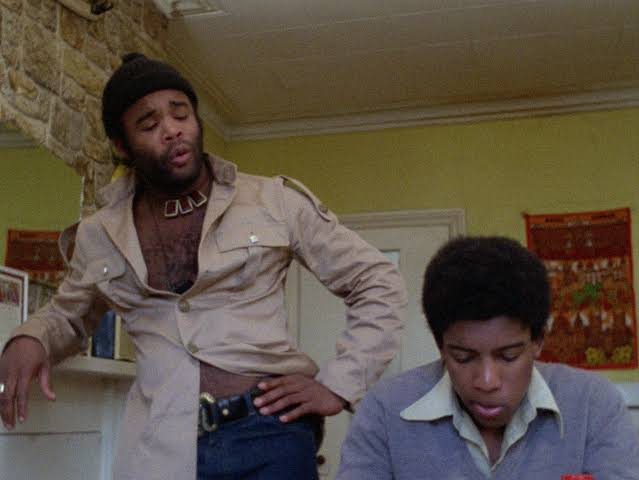
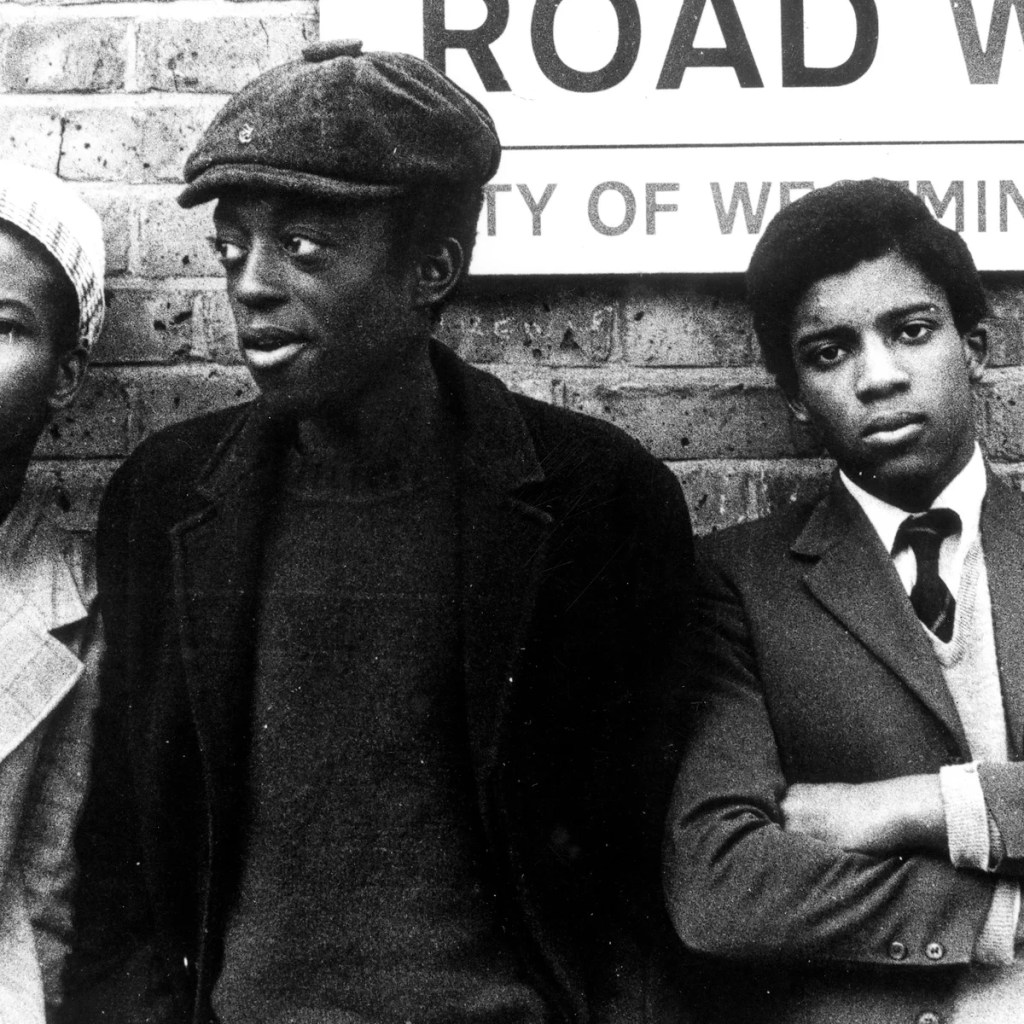
Ové’s groundbreaking 1975 film Pressure, widely recognised as the first feature length fiction film by a Black British director, is celebrated for its raw, street level depiction of the Black British experience in 1970s London.
Sunday 1 November
Doors open: 1 PM
Short films begin: 2 PM
Feature: 4:30 PM
LEX2, Livesey Exchange, London
Enjoy a new cinema space at LEX2, Livesey Exchange, 567 Old Kent Road, London SE1 5EW. Zak Ové will be talking live about his father’s legacy and his own practice.
ALT: Archie Pool, thank you so much for talking to Alt A Review in advance of this very special screening of Pressure. Looking back five decades or more, what drew you to the role you played in Pressure?
AP: The role I played in Pressure, I would have to give you a synopsis from the beginning, from receiving the script from Horace. Horace was part of the Afro Caribbean community in Hampstead.
He knew me from when I was a little schoolboy. One day he came and saw me in the street and said, I have a film about you, and I would like you to do a part in the film.
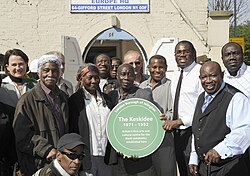
Before that, I had done some acting at the Keskidee Centre and places like that. I went to his house and collected the script, which was called Pressure. I read the script fully and I was in awe. I thought, how can he say this part is about me and give me a part about me, when this person is younger than me?
What happened subsequently was that I went to see him and he had another young chap doing the part. He told me, listen, I have a small part for you and I would like you to be part of that.
He gave me one of the first opportunities, maybe the second, because I think I did Black Feet in the Snow for the BBC before that, to be on the silver screen. I credit that with starting me off in the film industry.
BOOK TICKETS FOR SCREENING 1ST NOVEMBER HERE:
ALT: What was it like for a young Black filmmaker at that time in terms of the industry, or for you as an actor?
AP: Black filmmakers were non existent. Horace was the only person who was making films, but there were actors and things like that. I only remember, in those days, TV used to be black and white.
I remember looking at TVs in those days. You are talking about the swinging sixties, when England was swinging. You would look for months before you saw a Black face. The only Black faces you would see were if they showed the film Tarzan, then you would see many Black faces. Apart from that, there was no work for us.
As a matter of fact, it is reminiscent of the sports guys today. They could not play football. We could not do anything.
The way they have evolved, and the way I have seen the film industry evolve, is a phenomenal growth. You guys have been lucky in these days, and you really have to look back at the terrible times we had to suffer to get here.
I hope somebody takes on the mantle of researching those days. I would not call them halcyon days, those horrific days, but what we had to go through.
ALT: At that moment, did you realise you were part of something great? Did you realise who Horace Ové was, as someone so intuitive about what was needed for our culture, and as a rebel? Could you visualise this moment, 50 years on, where we would be celebrating this film?
AP: Well, we always had good dreams, because at the end of the day, you have to understand Horace Ové was really a visionary. I think he knew that, in the long run, if he persisted and insisted on doing what he was doing, it would come to fruition.
I think we all, as Afro Caribbean people during that period, realised we were just as human as anybody else, and sooner or later we would get what we deserved. It is like our ancestors.
I am a Caribbean man put into slavery, and the terrible things that went through slavery in those times. We would not expect to be where we are today. We left West Africa, places like that, travelled the whole world, went to university, and we own almost the whole world in a sense, when you look at it in retrospect.

The Windrush generation who went over there, it is this sacrifice of the African spirit of sacrifice. We sacrificed our souls to be what we are today. Without that sacrifice, we would not be what we are today.
I think Horace clearly knew that, because Horace was also committed, in those days in the sixties, the swinging sixties, to what they called Black Power. If you went to Horace’s house most of the time, you would see most of the people from the African American community who were struggling for Black Power and Black consciousness of that period. Horace had them in his house.
So Horace, in a sense, knew. I think Horace, if he was alive today, would tell you the same thing I am telling you. Look, we knew we were going to break the barriers. We always break the barriers. We run in Germany, we break the records. Now we come to England, we are breaking the records.
We put the beat back into Britain. When we came to Britain in those early days, Britain was in a terrible state, and people do not realise how Britain was in a terrible state. When we came there, they rejected us, but what we have instituted now to make Britain what Britain is today, Britain has to acknowledge us and apologise for what they did to us.
ALT: What do you think the film still says to audiences today?

AP: Well, the film, funnily enough, still represents the same thing. When I was in England the last time, things had changed slightly, but it has not grasped the fullness of it. I know the audience of today, like other films that have been around, such as Babylon, will appreciate it for what it is, and they will see clearly now what it is.
In those days, Horace could not even get the film featured. They did not even allow him to have it shown. He held his horses and made sure that he was not going to cut this out because they told him to cut it out. He knew what he was making.
Now everybody can see it for what it is. I am sure all of the youth still now are representing it for what they are, and what they are today represents the same thing that it was in the sixties and seventies.
ALT: Are there any moments in the film that have stayed with you over the years, in terms of scenes that resonated with you most? What was that experience like, working with Horace and being on set with a film that had an all Black lead cast at that time? You were a young actor, the lead was a Black actor and the director was a Black director. What was that like for you?
AP: Yeah, well, for me, as I said, Horace was an icon from the beginning. To work with him, he gave you the privilege of doing what you had to do.
He knew your capabilities. He knew what you could do, what you could portray, and he let you do it. I remember the early days, his son Zak. I think Zak was about nine or ten then. Zak was in the part in the house with a girl, an American girl. We were talking about this Black Power thing, and what we were going to do.
Zak, as a youth, I always admired him for how he used to move around the cameras and everything, and Horace allowed him to do those things. Horace always showed me, he said, look through that camera lens. That camera lens will tell you something different from when you are in front of the camera.
When I looked through the camera lens, I saw the whole evolution of the film itself, and it helped me a great deal. As for the people, the kids again, listening and looking at this film today, they will recognise it as just as today. Nothing has changed. I am sure they are going through the same situation of going outside courts and protesting about the innocence of somebody being beaten up, or somebody being immigrated and sent out of the country. Nothing has really changed, but some things have changed in terms of getting you there, to a certain level, to let you be up front more than to be in the background from before.
ALT: Do you think that at that time the film contributed to changing the conversations people were having, or do you think it is only now that we are still having this conversation? At every moment we say this is a pivotal moment for us, and this is changing something. In that moment, do you think it changed something, the conversations and the social dialogue people were having?
AP: Well, it took over four decades to do that, but I am sure it must have done by now. At the time, when you were doing it, people were saying, look, what nonsense are you talking about, this thing does not really happen. It does not happen.
I say now, when you look back in retrospect, it has changed dramatically. Now even the natives there can say yes, this man was talking about something very truthful 40 or 50 years ago. I think the film was never shown for about five years, which Horace agreed with. You cannot cut this up and show it. I do not want to be seen like that. I want to be seen for what I am portraying.
So yes, over the years, people now will identify with it. They will say yes, this is what really happened, and it is still happening.
Wow, and if Horace was here today, and you could see the momentum around the film, and the celebration of this film right now, excuse me.
ALT: What do you think Horace would say to you today?
AP: Huh, three words. I told you so.