

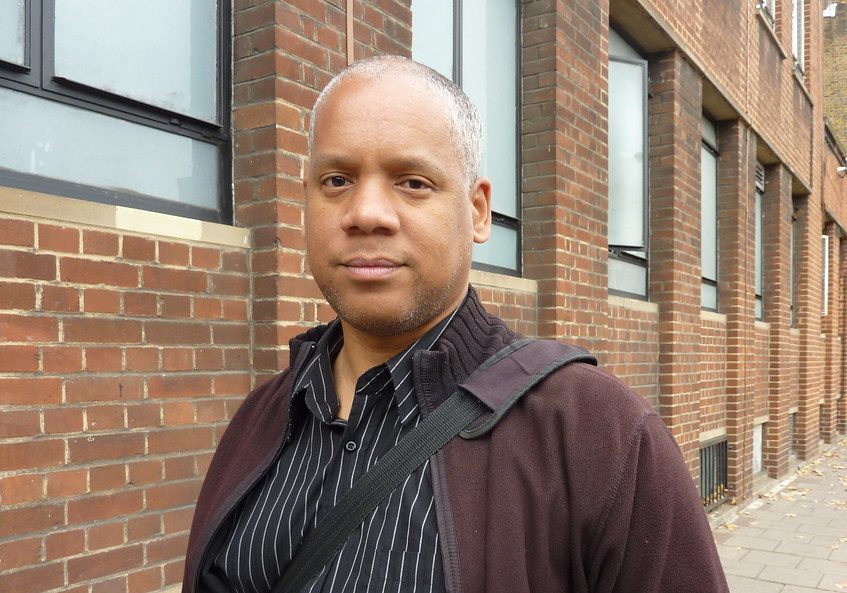
ALT: Good morning. Tony thank you for talking to ALT A REVIEW could you introduce yourself to our readers?
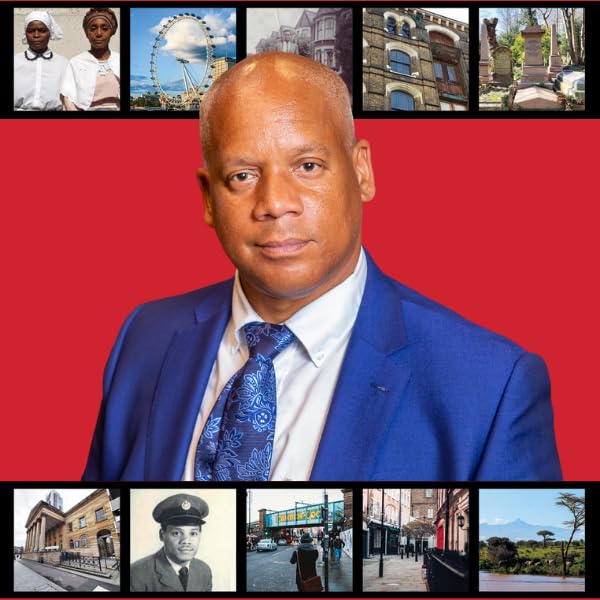
TW: My name is Tony Warner. I’m the founder, director and organiser of Black History Walks. We organise walks, talks and film screenings on Black history every month of the year. This year marks our 20th anniversary.
We now offer 21 different walking tours, a Black History helicopter tour, a river cruise, a bus tour, a canal cruise and even a steam train trip.

We also install plaques recognising significant Black historical figures across London, alongside Nubian Jak. We’ve published two books, one of which is a GCSE text studied by around 15,000 pupils. Alongside that, I’ve also been involved in presenting films through the African Odysseys programme for the past 20 years.

ALT: That’s an incredible amount of work. Let’s start with Black History Walks. What inspired you to create it?
TW: I was living in London and had been on all the usual history walks: Jack the Ripper, Charles Dickens, Beatles tours and all the typical walks people do when they first arrive in the city.
What struck me was that you could spend two hours walking around London without hearing a single mention of African or Caribbean history. After complaining about it for a while, I thought, why not create something myself?
I started with one walk around St Paul’s in 2007. Today we have 21 walking tours, a helicopter tour, a bus tour and much more.
It all came from my frustration at the lack of recognition and respect given to Black history in London’s historical tours.
ALT: Let’s talk about African Odysseys. What is it, and how did you become involved?
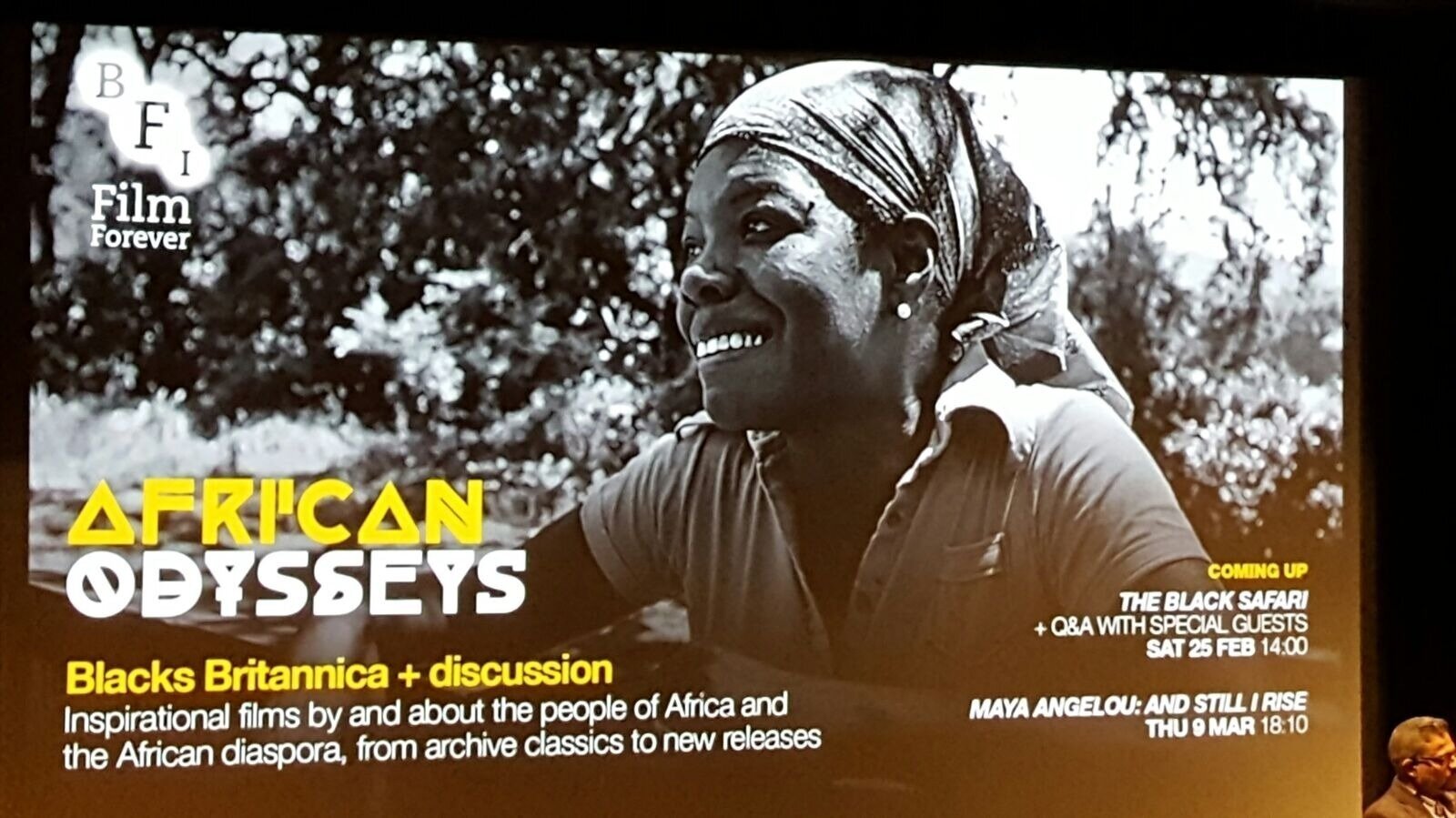
TW: African Odysseys is a monthly educational Black history film programme showcasing films from across the African diaspora.
The idea grew out of my work as a mentor with 100 Black Men. We were working with young people, helping them develop confidence and communication skills, but we realised there was a huge gap in their understanding of Black history. When you asked many of them what Black history meant, the answers were usually slavery or negative stereotypes.
We wanted to change that.
At the time we were based at the Marcus Garvey Centre in Tottenham. I spent about six months trying to get hold of a television so we could screen films there, but it never happened. Eventually I decided to hire a cinema instead.
Back in 2001 we screened The Rosa Parks Story, starring Angela Bassett and directed by Julie Dash, at the Rio Cinema in Hackney.
Ken Barnes from 100 Black Men suggested making the screening free for anyone who brought a child. That’s exactly what we did, and the cinema was packed. Afterwards, people immediately started asking when the next screening would be.
That led me to organise Black history film screenings across London in museums, cinemas, art galleries and even restaurants.
The events regularly attracted audiences of 200 or 300 people, and after the screenings people would stay for three, four or even five hours discussing the films.
In 2007, David Somerset, who I’d worked with previously, joined the BFI. He said, “You’re already attracting great audiences around London. Why not bring that energy to the BFI?”

He also suggested bringing together other organisations already doing similar work, including Sylviane Rano with the Images of Black Women Film Festival, Nadia Denton and several others.
So we pooled our knowledge, contacts and resources to create a monthly programme at the BFI showcasing films from across the African diaspora, followed by discussions and Q&As with filmmakers.
That’s how African Odysseys was born, and today it celebrates 20 years.
ALT: Many people might ask why African Odysseys is important when cinemas already screen films featuring Black actors. What makes your programme different?
TW: That’s a good question.
Yes, you can watch films with Black actors in mainstream cinemas, but they’re often commercial productions that rely on stereotypes or don’t tell the full story of Black history and culture.
We specialise in educational, uplifting, empowering and political films about Africa and the wider African diaspora. We prioritise films made by directors and producers with lived experience of the communities and subjects they’re portraying.
Many of these films are outstanding but never receive mainstream UK cinema distribution.
Take The Great Debaters, directed and starring Denzel Washington alongside Forest Whitaker. It was a commercial success in the United States and tells the true story of Black academic excellence, following students who challenged some of America’s leading universities.
Despite its success, it was never given a proper UK cinema release.
Meanwhile, films like Get Rich or Die Tryin’ (50 cent) received nationwide distribution. That’s exactly the kind of gap African Odysseys exists to address.
We’ve also screened films such as Toussaint Louverture, based on the true story of the Haitian revolutionary who defeated the British, French and Spanish forces and helped bring slavery to an end in Haiti.
Another example is the Walter Rodney documentary (directed by Arlen Harris and Daniyal Harris-Vajda, 2023), exploring the life, political work and assassination of one of the Caribbean’s greatest intellectuals.
Every screening is accompanied by a discussion with directors, producers, actors or historians who can place these stories in their wider historical context. The first African Odysseys ticket price was £5.00 it later became 6.50
There’s another example. The director Storm Saulter, who now has the film Possession on Sky, first came through African Odysseys years ago. We screened one of his earliest films, Better Mus’ Come, about the political violence and massacres in Jamaica.
Later we premiered his film Sprinter in 2019, executive produced by Jada Pinkett Smith and Will Smith. We made it into a major event, with a large audience and a real celebration around the screening.
Today Storm Saulter is internationally recognised, but we were showcasing his work years before many people had heard of him.
That’s what African Odysseys has always tried to do. We’ve spent two decades identifying important filmmakers, introducing audiences to their work and creating a platform for stories that might otherwise never have been seen in Britain.
ALT : Looking back over the past 20 years, what has changed? We’ve seen organisations like Black Filmmaker International and festivals founded by people such as Menelik Shabazz disappear, while Black cinema has become more integrated into the mainstream. How do you see those changes?
TW: When people talk about Black British cinema, they have to mention Menelik Shabazz.
One thing people don’t always realise is that before African Odysseys, the BFI wasn’t regularly screening his films. Once we established the programme, we made sure Menelik’s work had a home there. We invited him to give masterclasses, take part in Q&As and premiere every new film he produced.
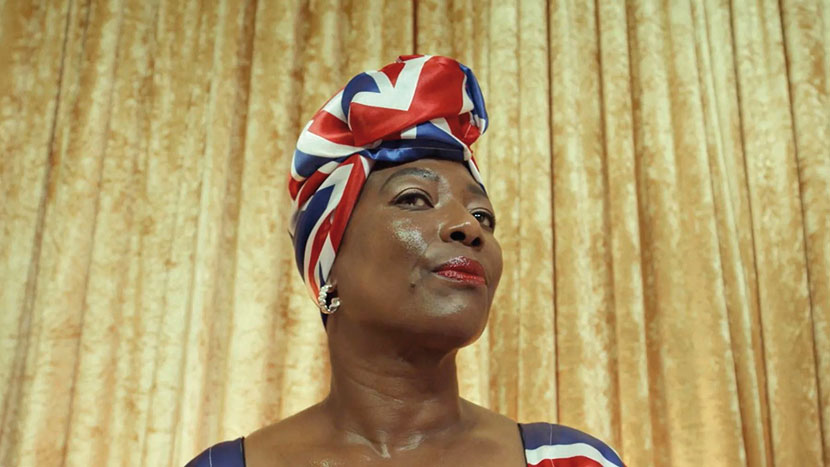
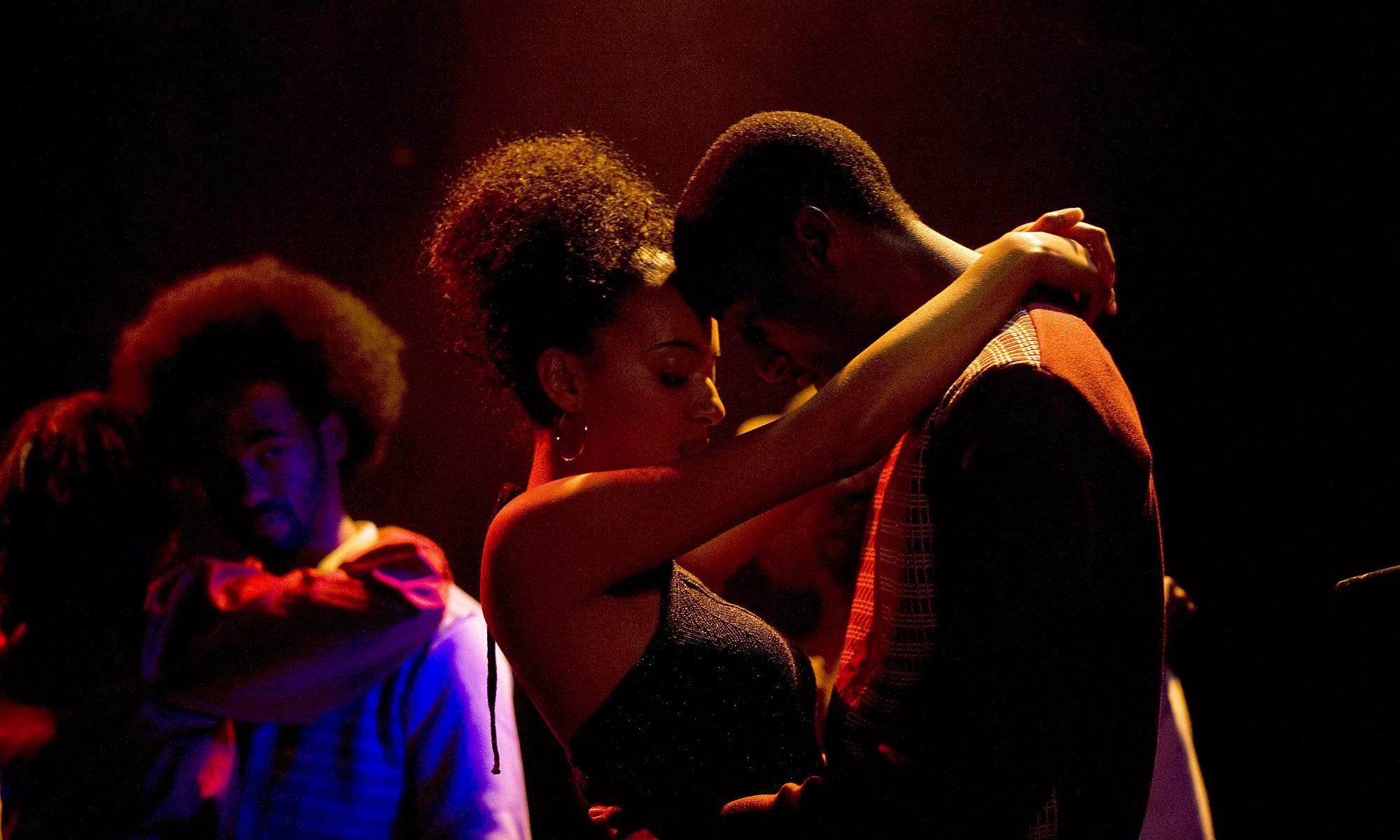
We premiered Looking for Love, The Story of Lovers Rock and other films, helping to raise their profile and giving audiences the chance to engage directly with his work.
If someone as respected as Menelik Shabazz struggled to get his films seen, imagine how much harder it was for younger directors trying to establish themselves.
We made sure those filmmakers had a platform. We also encouraged reviews because that’s another challenge. You can make an excellent film, but if nobody reviews it or writes about it, audiences won’t know it exists.
That’s why platforms like yours are important. You help spread the word.
We’ve been doing exactly that since 2007.
As for Black Filmmaker International, I think funding played a major role in its decline.
When Ken Livingstone was Mayor of London there was support for Black arts organisations and Black film initiatives. After Boris Johnson became Mayor, funding for many Black organisations was dramatically reduced, including support for Black film.
That had a huge impact on exhibition and festivals.
But I always acknowledge that if it hadn’t been for Black Filmmaker International, there probably wouldn’t have been an African Odysseys.
Through Menelik Shabazz and his festival I saw films like Lumumba and many others that I would never otherwise have had the opportunity to watch.
You also have to recognise Charles Thompson, whose work with Screen Nation Awards and Black film promotion helped so many people.
When I first started organising screenings, I didn’t know anything about film distribution. Charles Thompson was one of the people who guided me. He introduced me to films, helped me understand the industry and even connected me with the Rio Cinema so I could begin screening films.
Without people like Menelik Shabazz and Charles Thompson, African Odysseys simply wouldn’t exist.
ALT: What were some of the biggest challenges in keeping African Odysseys going? There wasn’t a huge budget behind the programme, so how did you make it work?
TW: At the beginning, we wanted every screening to be free. We thought that would make the films as accessible as possible.
The problem was that when events are free, lots of people book and then don’t turn up. We quickly realised that wasn’t sustainable, so we introduced a modest ticket price of around the first tickets were $5 then went to £6.50. It was still affordable, but it meant people committed to attending.
Another challenge was the culture of the BFI itself.
If a screening started at 2.00 pm, the doors would close at 2.10 pm. That might seem normal to regular cinema audiences, but many of the people we were trying to reach weren’t familiar with the BFI and certainly weren’t used to those rules.
We had to negotiate around things like that.
Then there was the location itself. At the time, many Black audiences simply didn’t know where the BFI was. We’d have volunteers standing around the South Bank directing people towards the building because so many were arriving and getting lost.
It’s funny looking back now, but that’s what it took.
Another thing I remember was being criticised for showing Black history films outside October.
People genuinely asked, “Why are you showing a Black history film in April?”
It sounds ridiculous now, but people had become conditioned to think Black history only existed during Black History Month. We wanted to challenge that from the very beginning.
When it came to marketing, we had virtually no advertising budget.
Eventually we managed to produce flyers, and I’d hand them out everywhere. I’d be in Peckham Bus Station giving them to people. I’d take them on my Black History Walks. Whenever I gave a talk anywhere in London, I’d promote African Odysseys.
It was almost entirely word of mouth.
Another issue was the perception of the BFI itself. Many people saw it as a very white, middle-class institution and felt it wasn’t a place for them.
We had to break down those barriers.
One of the ways we did that was by organising free Friday events in the BFI’s Blue Room. David Somerset arranged for us to use the space, which seated around 100 people.
We’d hold free educational sessions there, introducing audiences to Black history and Black cinema. At the end we’d tell them about the Saturday screening downstairs.
It helped people become familiar with the venue and realise it was a space they could use.
Over time it worked.
Eventually we were regularly filling the 450-seat cinema. Some screenings sold out completely and people were queuing outside hoping to get in.
ALT: Fast forward to today. African Odysseys is no longer at the BFI. Can you explain what happened and where things stand now?
TW: In 2023, the BFI invited me to a face-to-face meeting. We sat down and they agreed to support a major 20th anniversary season in 2026. They talked about celebrating 20 years of African Odysseys, increasing the number of Black films available on the BFI Player and even exploring a publication to reflect on what we’d achieved. ( More about the 2023 agreement here https://www.change.org/p/save-17-years-of-black-film-history-at-british-film-institute/u/34947919
One of our biggest concerns had always been that we’d fill a 450-seat cinema, but the films we screened rarely made it onto the BFI Player afterwards. There was, and still is, a shortage of Black films available on the platform.
So, after years of raising these issues, we thought real progress was finally being made.
People also need to understand that African Odysseys was run almost entirely by volunteers. None of us were being paid significant fees. We built audiences because we believed in the work.
Another thing worth mentioning is that our regular slot was 2.00 pm on a Saturday, which people in the cinema industry generally regard as a difficult time. Despite that, we consistently filled the cinema.
What was frustrating was that our success wasn’t reflected elsewhere. Sight & Sound never featured African Odysseys in any meaningful way. They never interviewed me or David Somerset about the programme, despite its longevity and success.
The same applied to the BFI’s social media channels. Our screenings weren’t regularly promoted on Twitter, Instagram or YouTube. The Q&As, which were often outstanding, frequently weren’t filmed by the BFI. We ended up filming many of them ourselves.
Essentially, we were bringing in the audiences through our own networks while receiving very little promotional support.
So, after being promised a major anniversary season in 2023, we were shocked when, in 2025, the BFI announced that David Somerset’s role was being made redundant.
David wasn’t just involved with African Odysseys. He also worked across disability programmes, South Asian cinema, refugee programmes and other community initiatives. But African Odysseys represented a significant part of his work.
Our immediate question was simple: if David’s role disappeared, who was going to produce African Odysseys?
Nobody could answer that question.
Between 2020 and 2025 we’d already written three formal letters raising concerns about the lack of investment, the lack of promotion and the absence of African Odysseys films on the BFI Player. African Odysseys was run by volunteers full stop. None of the steering Committee where paid for the curation.consultancy, programming, advertising etc. David was the only paid person and he spent half of his time on AO.
We then had an online meeting with Stuart Brown and senior staff. We argued that removing David’s post would inevitably damage African Odysseys. This only meeting with Stuart Brown was in July 2024. We continued chasing BFI for updates then Stuart Brown said he did not wish to communicate with us and that’s when we started the petition now at 18,500 people https://www.change.org/p/save-17-years-of-black-film-history-at-british-film-institute
They couldn’t explain how the programme would continue without him.
We also argued that before making such a decision they should carry out a Race Equality Impact Assessment because the programme primarily serves Black audiences and filmmakers.
Professor Gus John , one of Britain’s leading experts on race equality legislation, supported that position. During the meeting the BFI agreed the assessment should take place.
We left believing that process would begin.
Weeks passed.
Then months passed.
Nothing happened.
We continued chasing the BFI for updates but received no meaningful progress.
That’s where we found ourselves. After two decades of building audiences, championing Black filmmakers and creating one of the longest-running African diaspora film programmes in Europe, we were left with uncertainty about its future.
Celebrating twenty years Black History Walks has a series of events lined up.

For all upcoming events check and BOOK HERE and check back here for our event updates.
Support Black History Walk’s petition HERE