

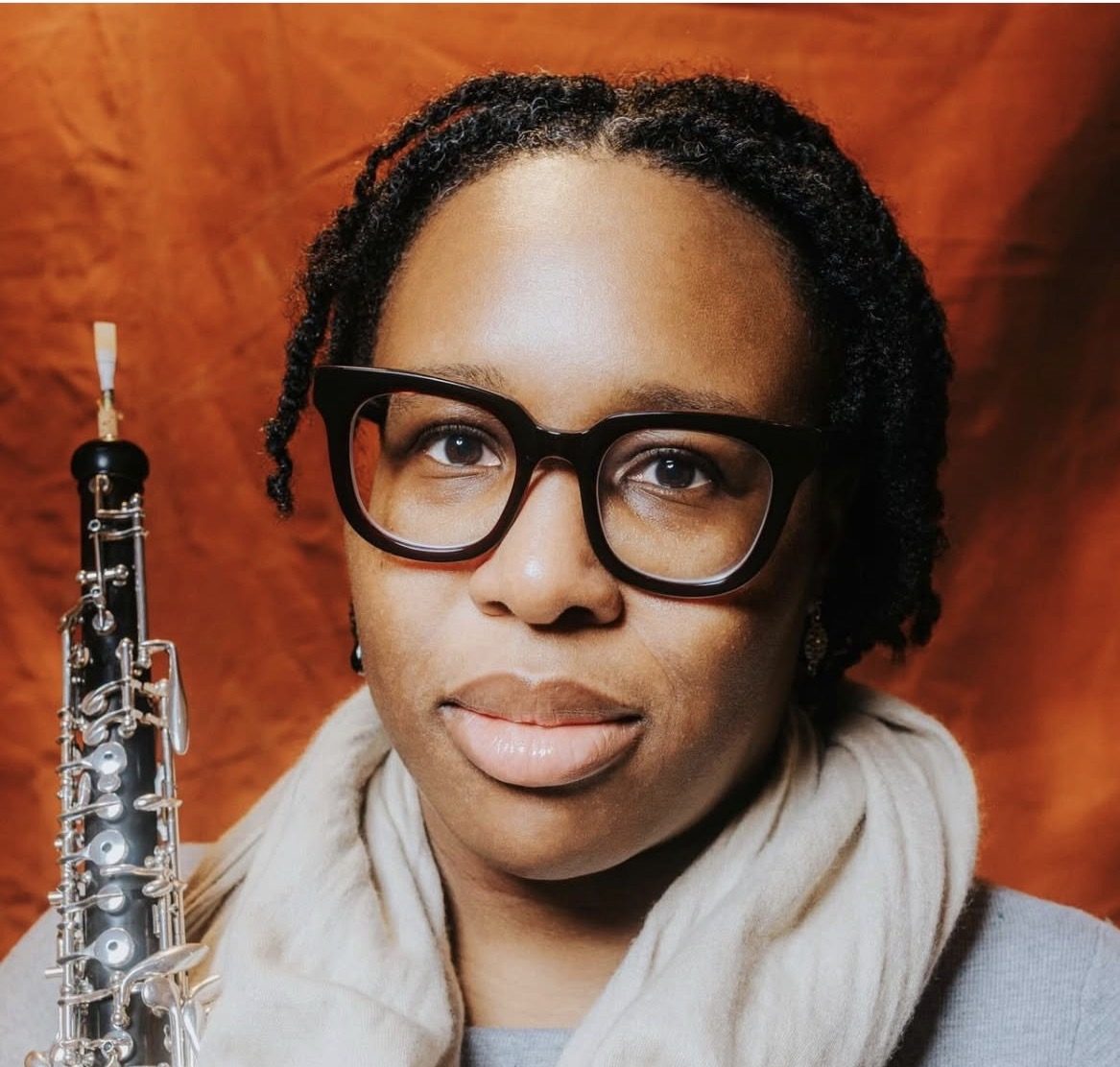
Uchenna Ngwe composer and musician reflects on their journey from Trinity training into a multifaceted career spanning performance, composition, and theatre. They describe an early and consistent drive to pursue music, alongside the realities of transitioning into freelance work after graduation, including teaching and navigating uncertainty.
Uchenna Ngwe’s work in theatre has shaped a more flexible and experimental approach to composition, where music is created in direct response to narrative, character, and rehearsal processes. As founder of Decus Ensemble, they emphasise the importance of programming lesser known works and expanding the range of composers and styles presented to audiences.
Ngwe talks about research driven projects, including a collaboration with the British Library, which explored Black British classical music as a form of cultural activism. Broader industry challenges are addressed, particularly the lack of investment in Black artists and the structural barriers that limit change.
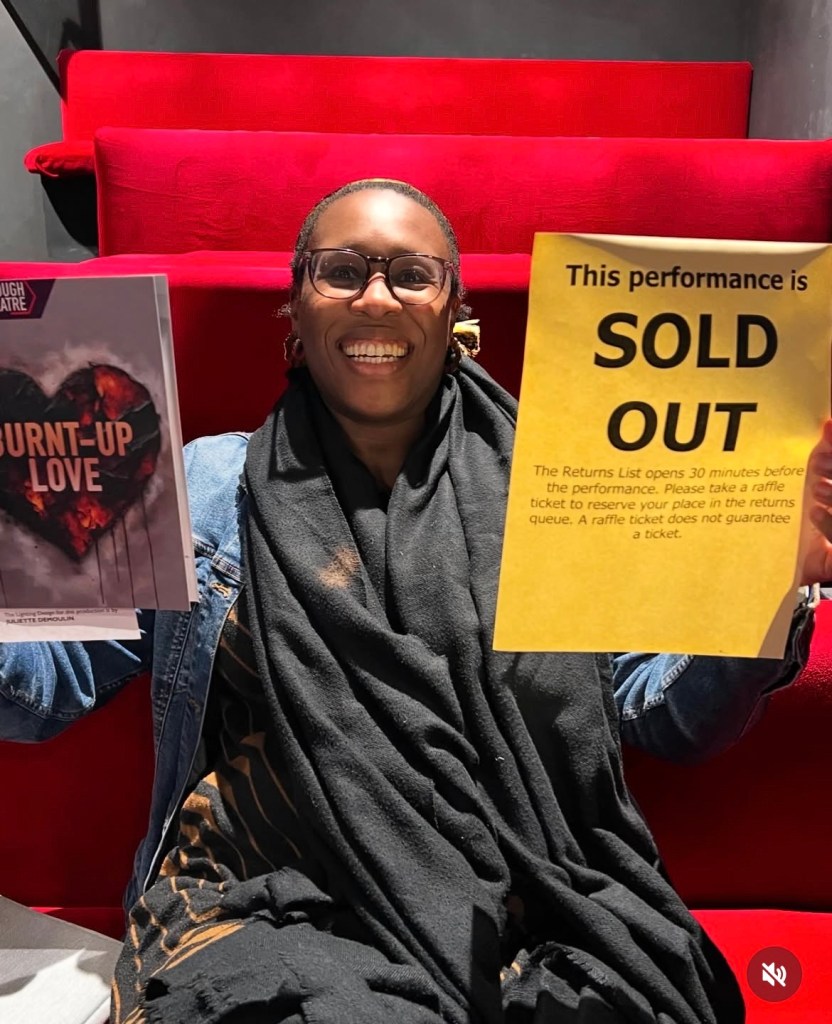
Burnt Up Love is booking now: tickets are selling fast
Theatro Technis
26 Crowndale Road
Camden, London
NW1 1TT
ALT A: Looking back to your Trinity training, what were the key moments that made you feel you could build a career from this?
U: I have always wanted to be a musician, since I was a kid. I remember when I was in primary school and we were asked what we wanted to be when we grow up. I always wanted to be a concert pianist or a cricketer. Obviously, I am not a concert pianist or a cricketer, but I am a musician. I have always done it. It is just what I do, it is in me.
ALT A: After graduating, what were your first concrete steps into working life, and what do you wish you had known then?
U: I graduated in the summer, my diary was empty and I suddenly thought, hang on, I need to fill my days up with paid work. I actually got a teaching job. Somebody called up the student union whilst I was sitting there and asked if there was anyone around who could teach music. So I did that part time, whilst I was freelancing.
I had already been freelancing as a student, but now I had the chance to do more of it as I was not studying. It is quite hard to answer what I wish I had known back then, because part of the process is going through all the difficult bits. I would not necessarily still be here, still doing this, if I had not had the challenges of having an empty diary or having to turn down gigs because I was teaching.
So I wish I had known that difficult things do not mean the end.
ALT A: For you, what are the main differences between composing for theatre and for concert or chamber performance?
U: The majority of my composing has been for theatre. All of my other composing has been for smaller projects. I do a lot of arranging with my ensemble, but writing has mainly been for education projects and workshops.
The difference with theatre is that I have more scope, because I am not having to work with a set number of musicians or resources. I can be a bit more experimental. Being classically trained, there are lots of rules you learn about how music is supposed to work, but with theatre the inspiration is text, so you get to play around a bit more.
You are not distracted by being around other musicians in the way I would be in a concert hall, where I know people would have different expectations of what the music is supposed to sound like or how you are supposed to think about it. In theatre, the music is supposed to support the narrative. I like how my brain works with it.
ALT A: As founder of Decus Ensemble, what gap did you want it to fill, and what has leading it taught you about the industry?
U: Interesting questions. Decus Ensemble was never intended to fill any particular gap in the industry. It came together because initially a few of us wanted to play some chamber music and put on a concert together.
I thought it was interesting to look at the piece we initially wanted to play, which was Samuel Coleridge Taylor’s Nonette. Samuel Coleridge Taylor was a mixed race classical musician in the late 19th and early 20th century. I wanted to find out more about other composers like him.
As the leader of the ensemble, I loved being able to use my interest and curiosity to shape the programming. There are so many people who will do the same Mozart quartet or Beethoven quintet, and do it brilliantly, but everyone knows what that is supposed to sound like.
There is all this other music out there that people do not know about, different styles, genres and composers that we have the chance to uncover, explore and introduce to new audiences. I definitely see that as one of our roles.
ALT A: On the British Library collaboration with Le Gateau Chocolat, how did you shape the sound world and tone of that project?
U: That project came out of research I had done for my PhD, exploring Black British classically trained musicians, and how curation of music can be a form of activism to help change the narrative of there being no Black composers or Black participation in classical music.
I had a fellowship at the British Library and I was approached to put together a concert. This was the perfect vehicle, a chance for us to talk a little and actually play some of the history of what this music has been from a Black British classical music perspective.
ALT A: When starting a new composition, what does your process look like, and how does the space or audience affect the tone?
U: It varies. For theatre, it is really important for me to understand the production. It is almost as if I have to create the sound world before I start creating any music. I need to understand what the characters look like and what they are interested in, so that the sounds I create support the story that is being told.
Sometimes the music is another character, at other times it is the narrator.
A lot of the work gets done in the rehearsal room. Often I will have ideas before we even start, but they will all be gone by the time we get to opening night. So much of my work is done when I have seen the characters fully developed.
ALT A: How do performing, composing, arranging and curating feed each other and help you build a sustainable career?
U: I think all of those things overlap. They use very similar skills and it is just different ways of looking at something, painting a picture or creating a story using sound.
ALT A: A new report talked about how much Black artists contribute to the music industry, but how little is being invested in them. Why are we not seeing the change?
U: This is a question that has been asked longer than I have been alive. When I go to conferences, this question always comes up. People like Black Lives in Music are doing things, but so much of the discourse is around finding solutions.
WIN TICKETS FOR THE HARDER THEY COME AT STRATFORD EAST HERE
When it comes to actually making change, it becomes very difficult because it requires money that no one has. There is no money in the arts right now, not just music. When there is less money, people want less change. They want safety, even if they know that people are being excluded. It is fear, I think.
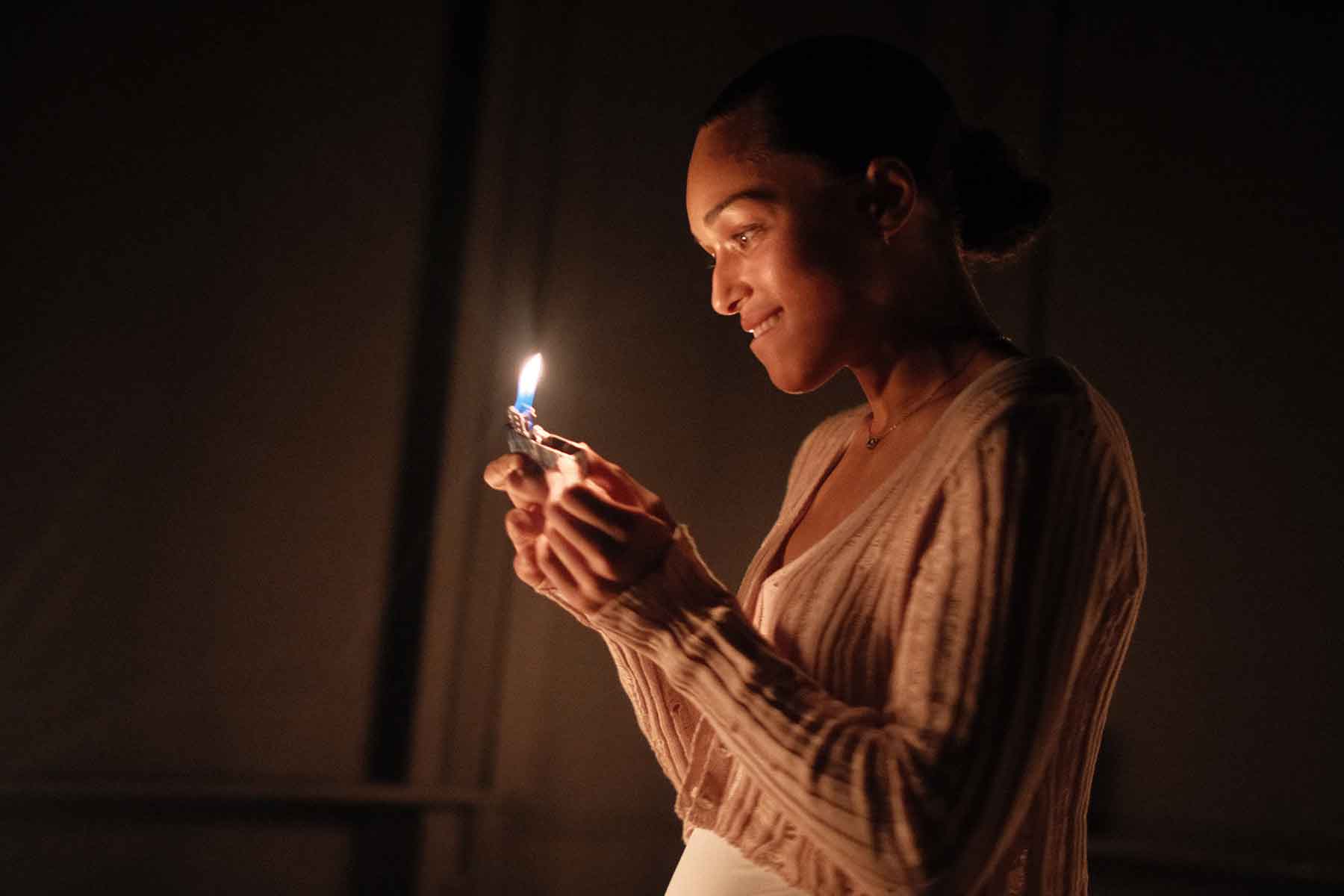
ALT A: What can we expect from your work on Burnt Up Love? And how has the process been for you, creatively and artistically?
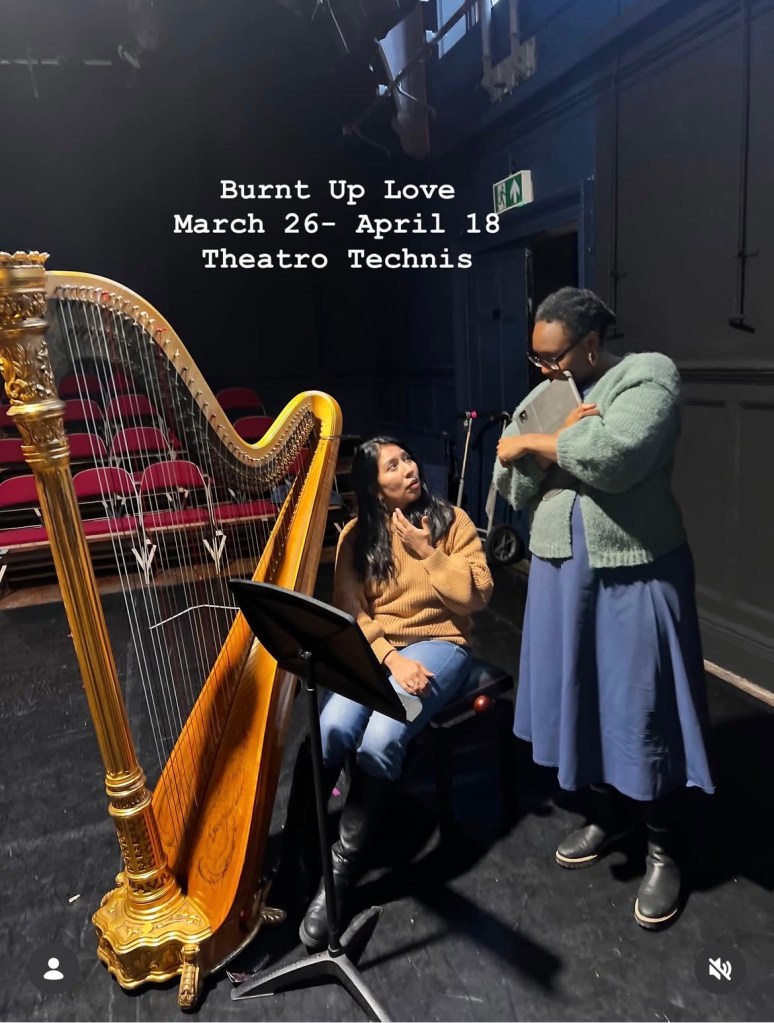
U: The music is a mix of influences, classical, jazz, funk and even some pop. This time around we have some live harp, which draws out different sounds, but it has still got the same North London and Camden vibe.
The process has been really interesting. Some things have been exactly the same as the first production in 2024, but I have been in the rehearsal room again for this new production, and because there has been a gap, everyone has found different sides to their characters.
By the time we got to the end of the rehearsal period, the characters and the music had evolved. You can still hear the soul is very similar, but there is a different slant. It is familiar, but much more grown up and a little bit harder, just like all of us.
ALT A: For early career composers and instrumentalists aiming to work with theatre and cross disciplinary artists, what practical steps and kind of artistic identity would you advise them to develop?
U: I genuinely cannot give any advice on this, as my arrival in theatre was a complete fluke. I have not taken any kind of traditional route or training to get here.
My experience in composition is purely because I trained and worked as a performer professionally in these spaces. Early career composers who want to go down the more traditional composition route definitely need to speak to composers who have trained as composers, as their paths are very different.
ALT A: What is your go to meal, the meal that ends all meals for you?
U: Egusi soup with eba.
ALT A: Who would you like to work with in the future?
U: Theatre wise, Ché Walker and I have been working on another play which is a contemporary musical theatre and opera. Someone I think would be amazing to work with would be Raye. She has such an amazing voice and so many interesting influences in her music. She would be fantastic to work with.