

Hong Kong Palace Museum Unveils the Dazzling Special Exhibition
Treasures of Global Jewellery from The Metropolitan Museum of Art: The Body Transformed in April 2026
This remarkable showcase of global jewellery, spanning five continents and 4,000 years of history, is jointly organised by The Metropolitan Museum of Art and the Hong Kong Palace Museum, marking The Met’s first major travelling exhibition of its encyclopaedic global jewellery collection

The Hong Kong Palace Museum will present a new special exhibition, Treasures of Global Jewellery from The Metropolitan Museum of Art: The Body Transformed from 15 April through 19 October 2026 of the HKPM. Jointly organised by The Metropolitan Museum of Art (The Met) in New York and the HKPM, this destination exhibition marks The Met’s first major travelling exhibition of its encyclopaedic global jewellery collection. All objects drawn from The Met’s prestigious collection will be displayed in Hong Kong for the first time, alongside important works from the HKPM’s Mengdiexuan Collection and the Chris Hall Collection at the Hong Kong Palace Museum, as well as a major loan from The ILLUMINATA Collection. Cathay and American Express are the Major Sponsors of the exhibition.
Founded in 1870, The Met in New York is among the world’s most visited and influential museums. Its collection comprises more than 1.5 million objects spanning over 5,000 years of art from around the world, revealing connections across time and cultures. Treasures of Global Jewellery presents the finest works from this world-renowned collection, telling fascinating tales about world jewellery across disparate periods, places, and curatorial areas.
Featuring around 200 dazzling and iconic masterpieces of jewellery, Treasures of Global Jewellery is the first major exhibition in Hong Kong dedicated to the sweeping narratives of jewellery and other human adornment, covering five continents and 4,000 years from the second millennium BCE to the 21st century. The exhibition traces the development of adornments from ancient civilisations to cutting-edge contemporary creations, celebrating jewellery as a powerful medium for artistic and cultural expression. Through this exhibition, the HKPM aims to celebrate creativity and cultivate cross-cultural dialogue that underscores the universality of jewellery, reflecting its commitment to bridging civilisations and connecting the past with the present. The exhibition is also part of the HKPM’s fashion and textile exhibition series with highly acclaimed special exhibitions, including Cartier and Women in 2023 and The Adorned Body: French Fashion and Jewellery 1770–1910 from the Musée des Arts Décoratifs, Paris in 2024.
A dazzling visual feast to celebrate global jewellery and world cultures
Treasures of Global Jewellery is presented in five thematic sections: “The Divine Body”, “The Regal Body”, “The Transcendent Body”, “The Alluring Body”, and “The Resplendent Body”. Each section illuminates a distinct dimension of adornment, inviting visitors to marvel at the manifold ways humans have embellished themselves from head to toe as an expression of belief, status, and aesthetic ideals across cultures and geographies.
Exhibition highlights include:
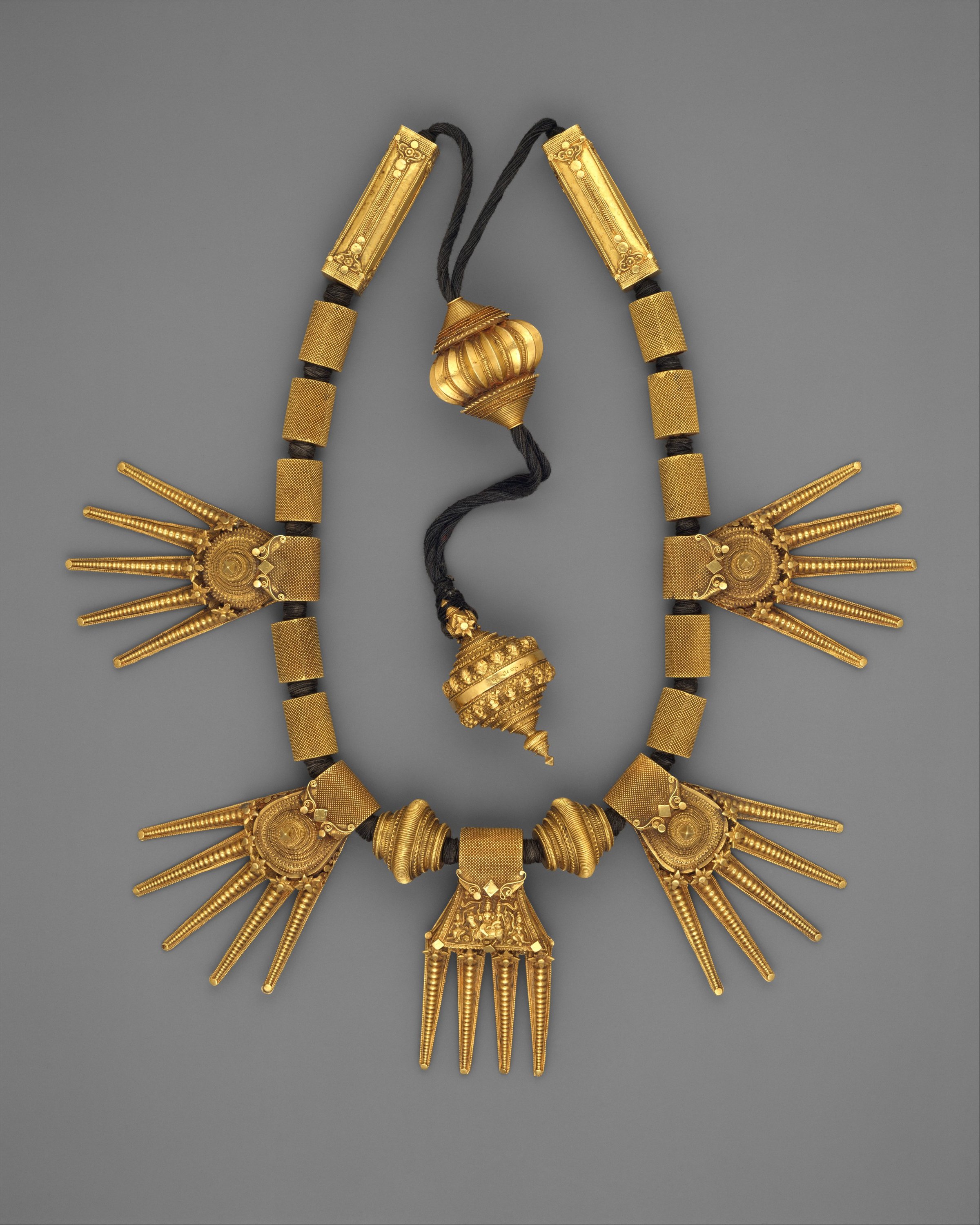
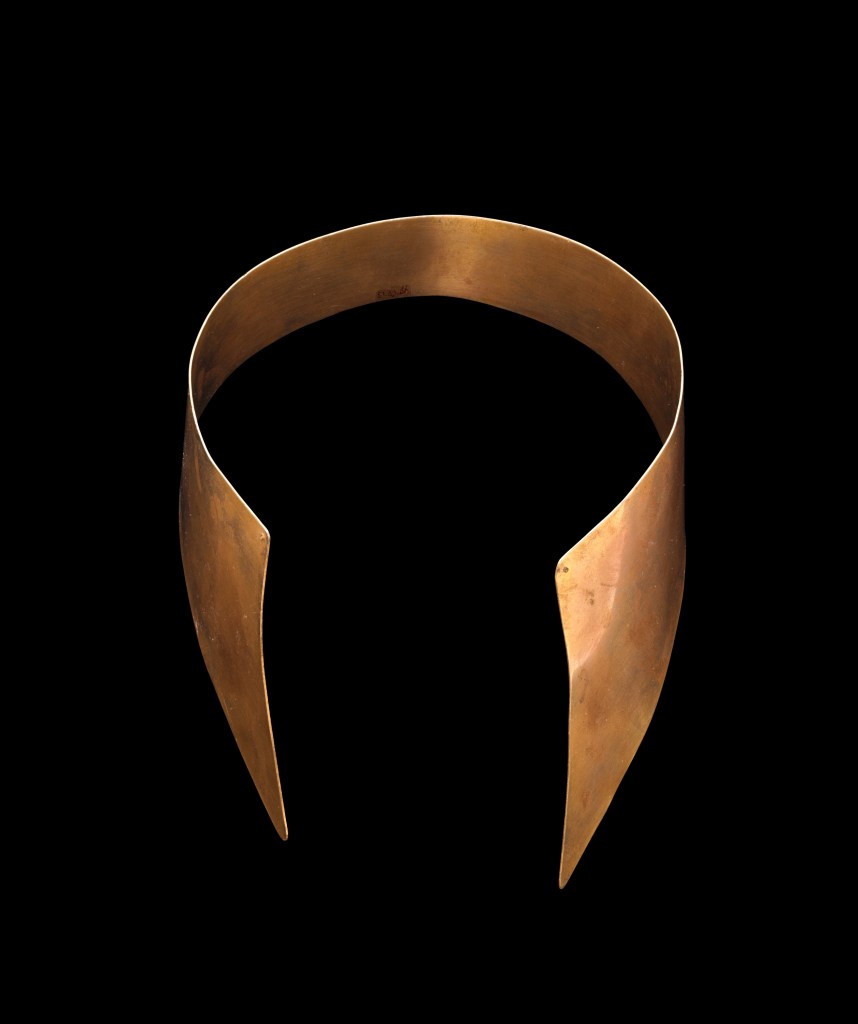
- Necklaces: The exhibition presents a group of exceptional necklaces, ranging from elegant classical works made of precious materials to striking artistic creations. The gold marriage necklace from late 19th-century India depicts Hindu deities Shiva and Parvati as a couple, signifying divine blessing on their union. Another highlight is the opulent necklace of diamonds and pearls (about 1905) by the American jeweller Dreicer & Co., who brought the luxurious style of 18th-century European court jewellery to the Gilded Age elite. Not to be missed are avant-garde works such as the famous American sculptor Alexander Calder’s necklace (The Jealous Husband) (1940), which demonstrates Calder’s playful and artistic approach to jewellery-making.
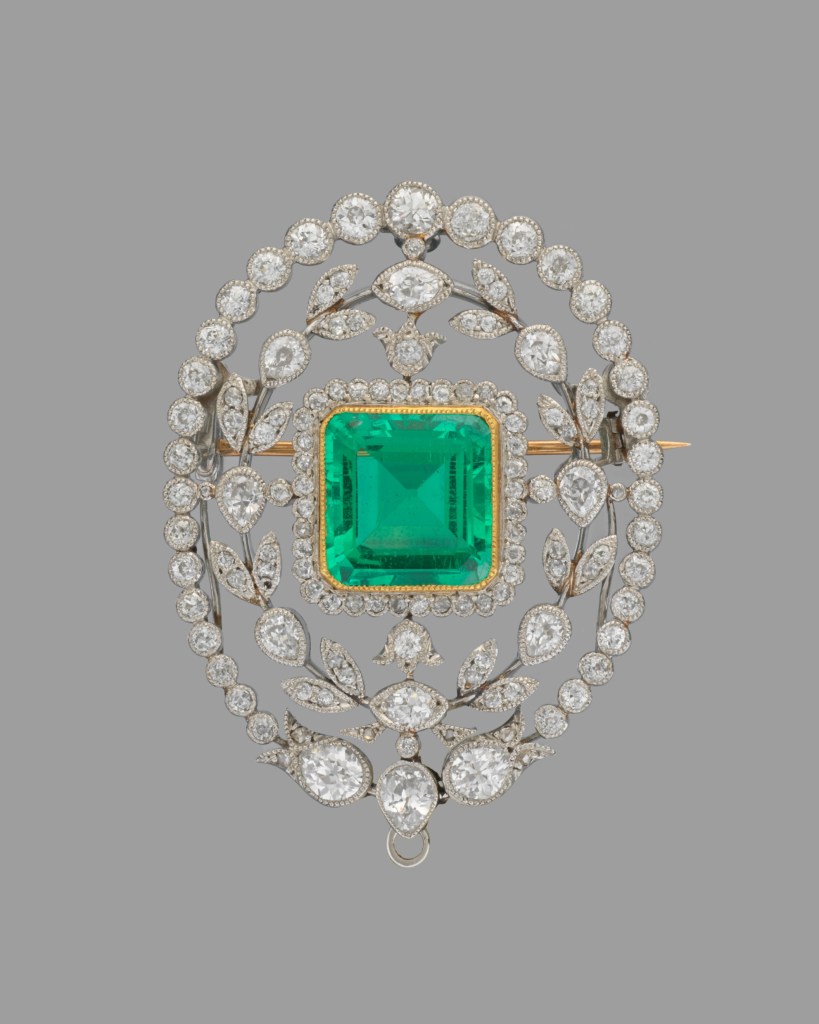
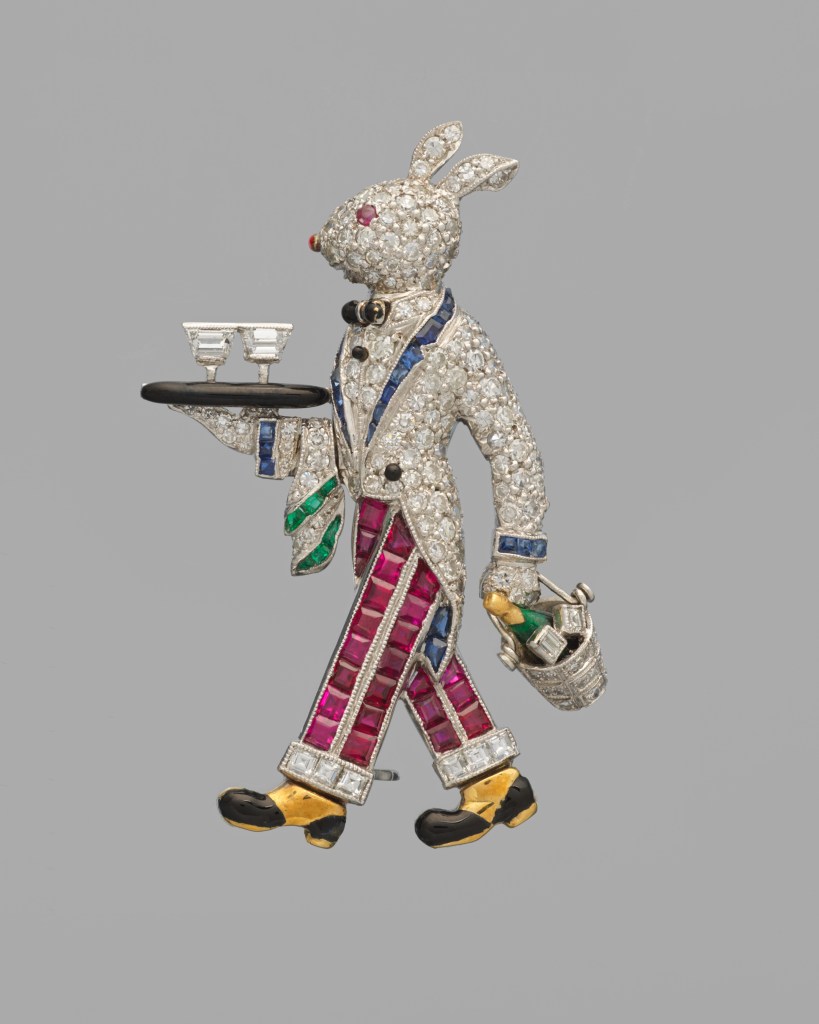
- Pins and brooches: The emerald-and-diamond brooch (about 1900), likely crafted by the New York fine jewellery brand Tiffany & Co., features a large, square emerald framed by pear-shaped brilliant-cut diamonds; the gemstones were set in platinum, a newly accessible material at the turn of the 20th century. Raymond C. Yard, one of New York’s finest jewellers, created the whimsical rabbit brooch (about 1930) in the form of a dapper bunny as a waiter balancing a cocktail tray.

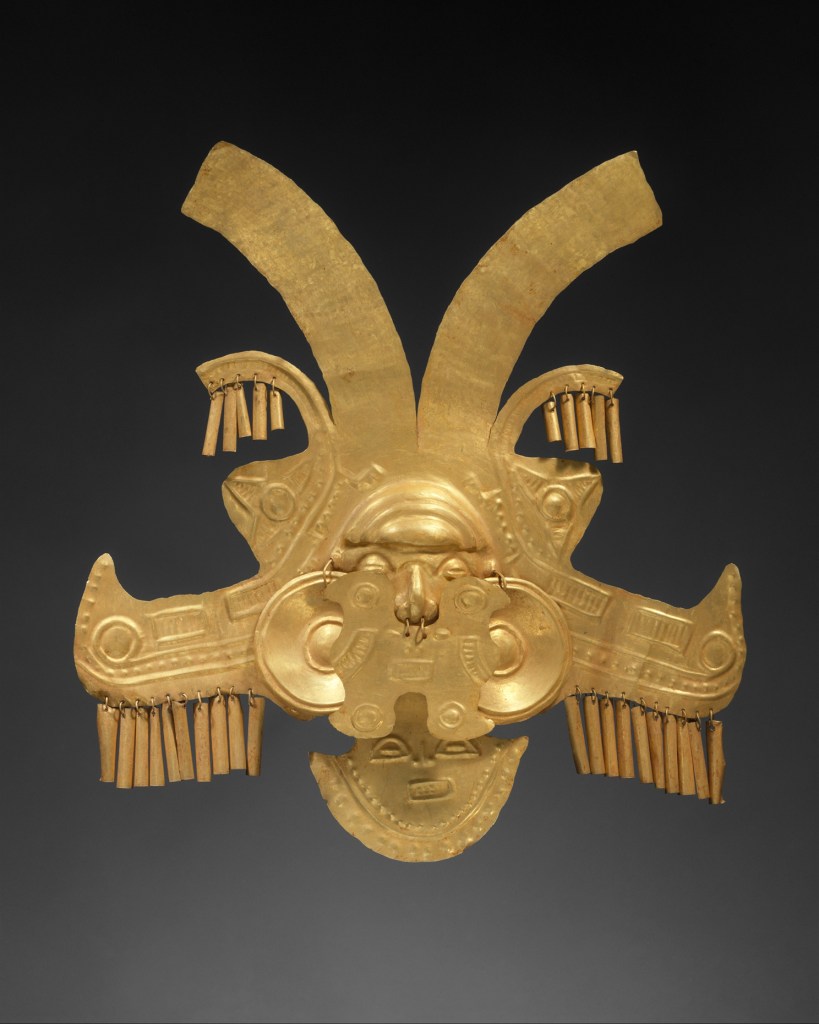
- Headpieces: Excavated from the tomb of the Egyptian princess Sithathoryunet, the daughter of the pharaoh Senwosret II, the 1,251 gold rings (about 1887–1813 BCE) that once adorned the princess’s ceremonial wigs reveal the importance of head ornamentation as a marker of royal identity in ancient Egypt. Another standout is a Calima gold headdress ornament from ancient Colombia in South America from the 1st to 7th century, which was worn as a symbol of wealth and status. In dialogue with these gold ornaments is a spectacular gold headdress with animals (4th–3rd century BCE) from the HKPM’s Mengdiexuan Collection, which once adorned a member of the elite in northern China. Another stunning piece is the emerald tiara with oak leaves and acorns (transformable into three brooches) (about 1840–1850) from The ILLUMINATA Collection with oak-leaf sprays, an emblem for national strength and steadfast loyalty in Britain. Lastly, a striking and unusual sculptural head ornament (about 1937) by renowned fashion designer Elsa Schiaparelli exemplifies her highly original design aesthetic and captures the spirit of Surrealism.
- Facial jewellery: Until the 17th century, optical aids were primarily designed for men. The invention of the lorgnette, or opera glasses, created a new world of feminine designs and transformed eyewear into a symbol of refinement. By the 19th century, lorgnettes,such as the diamond-studded example pair created by Cartier (about 1905), were a familiar sight at the theatre and the opera, prized both for practicality and as fashionable emblems of status among socialites. Adorning an unconventional part of the face, Alexander McQueen’s “Male Jaw Piece” is a cast-aluminium sculpture of a male jaw with broken teeth, designed with British jewellery designer Shaun Leane in 1998 as part of an experimental skeletal series. An example of avant-garde jewellery, it addresses profound themes of violence and masculinity through radical forms.
Innovative exhibition design and engaging learning experiences
The HKPM has invited internationally acclaimed Hong Kong designer and artist Alan Chan to provide artistic direction to the exhibition’s graphic design and advice on spatial design. Chan is best known for his “Oriental Passion, Western Harmony” design philosophy, which is well integrated into the show, resonating with the city’s cultural DNA and the exhibition’s ambition. Moreover, visitors will be able to virtually wear their favourite pieces in this exhibition through interactive offerings to experience jewellery’s transformative power. The Museum will provide a rich and diverse learning programme, including guided tours, workshops, and public talks. More details will be announced soon.
Treasures of Global Jewellery from The Metropolitan Museum of Art will be open to the public from 15 April 2026 to 19 October 2026 in Gallery 8 of the HKPM.
Tickets are now available for sale or reservation through the West Kowloon Cultural District’s online ticketing platforms and ticketing partners, as well as the WestK Ticketing WeChat mini program. Please refer to the HKPM website for more information.

About the Hong Kong Palace Museum
Through innovative curatorial approaches, the Hong Kong Palace Museum presents priceless treasures from the Palace Museum along with the finest collections from other world-renowned institutions. The Museum is also in the process of building its own world-class collection.
Opened in 2022, the Museum is a leading institution for the study and appreciation of Chinese art and culture and the promotion of dialogue among world civilisations. The Museum is a collaborative project between the West Kowloon Cultural District Authority and the Palace Museum. The Hong Kong Jockey Club Charities Trust made a donation of HK$3.5 billion for its establishment, as well as some of the annual exhibitions and education programmes in 2023–2032.
Through research, exhibitions, publications, and educational and professional exchange programmes, the Museum builds international partnerships and positions Hong Kong as a global hub for art and culture. A resource that belongs to the local community, the Museum inspires community engagement, fosters dialogue, and promotes creativity and interdisciplinary collaboration. https://www.hkpm.org.hk/
Facebook:@hongkongpalacemuseum
Instagram:@hongkongpalacemuseum
LinkedIn:@Hong Kong Palace Museum
微信:香港故宫文化博物馆
RedNote (Xiaohongshu): 香港故宫文化博物馆
About the West Kowloon Cultural District (WestK)
WestK is one of the largest and most ambitious cultural hubs in the world and Hong Kong’s new cultural tourism landmark, spanning 40 hectares alongside Victoria Harbour. WestK comprises a mix of landmark arts and cultural facilities, including world-class museums M+ and the Hong Kong Palace Museum, intricately designed performing arts venues the Xiqu Centre and Freespace, the 11-hectare Art Park with a waterfront promenade, and the upcoming WestK Performing Arts Centre.
Hosting over 1,000 exhibitions, performances, programmes, and events each year, WestK provides a vital platform for both emerging and established artists. WestK welcomes more than 10 million visitors each year, evolving as the international cultural brand of Hong Kong and strengthening the city’s strategic role as an East-meets-West centre for international cultural exchange. https://www.westk.hk
About the Metropolitan Museum of Art
The Metropolitan Museum of Art was founded in 1870 by a group of American citizens—businessmen and financiers as well as leading artists and thinkers of the day—who wanted to create a museum to bring art and art education to the American people. Today, The Met displays tens of thousands of objects covering 5,000 years of art from around the world for everyone to experience and enjoy. The Museum lives in two iconic sites in New York City—The Met Fifth Avenue and The Met Cloisters. Millions of people also take part in The Met experience online. Since its founding, The Met has always aspired to be more than a treasury of rare and beautiful objects. Every day, art comes alive in the Museum’s galleries and through its exhibitions, events and educational programmes, revealing both new ideas and unexpected connections across time and across cultures. The Met presents over 29,000 educational events and programmes throughout the year to make art accessible to everyone, regardless of background, disability, age, or experience. https://www.metmuseum.org/