

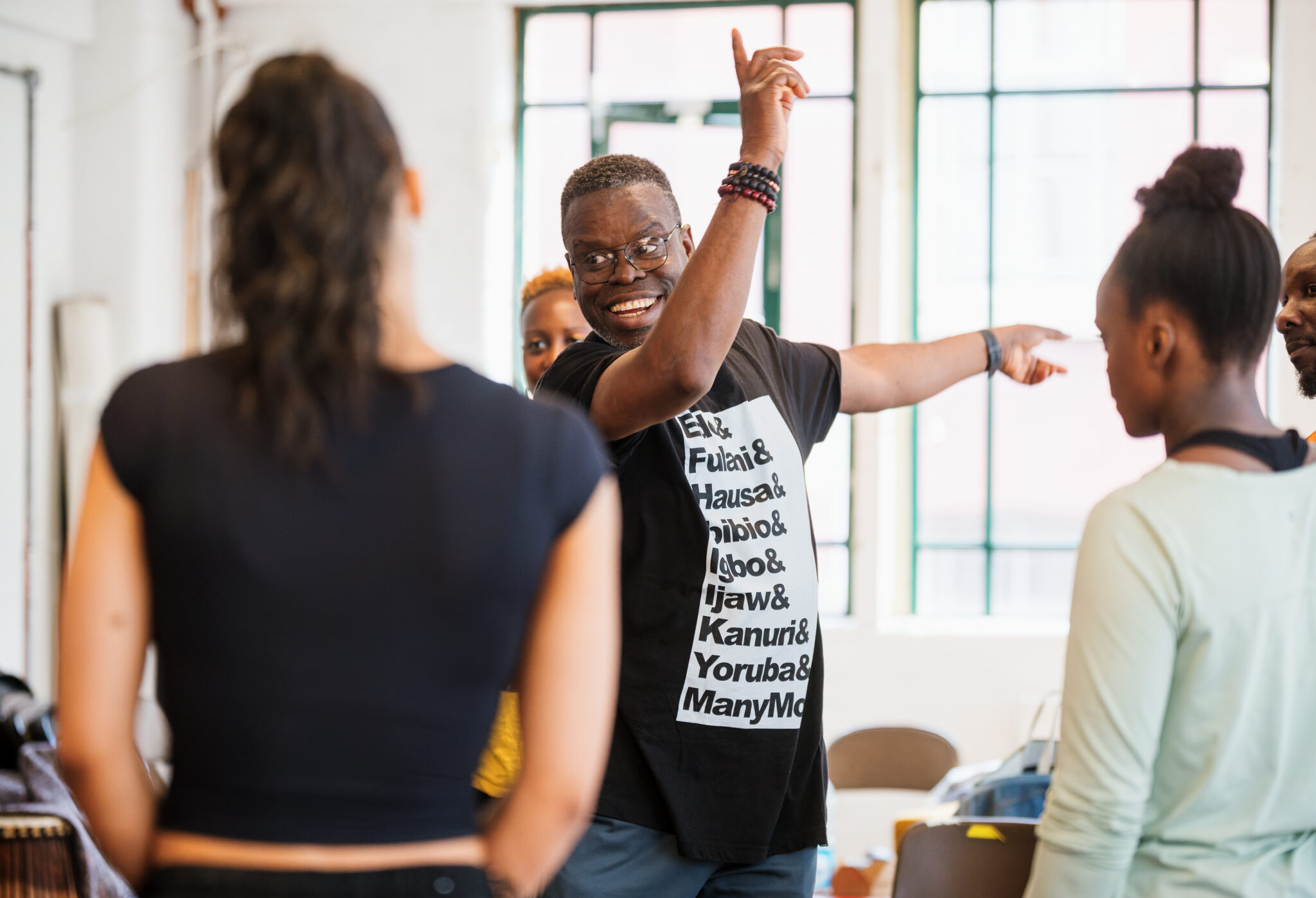
Suzette Llewellyn will next appear as Mama Africa in the upcoming production 54.60 Africa, adding to a career that spans theatre, television, and film. She has worked steadily across the UK’s major stages and screens for more than three decades, often appearing in work that engages with themes of family, culture, and identity. 54.60 Africa is an upcoming theatrical production directed by Femi Elufowoju jr. The play draws from Elufowoju jr’s extensive travels across all 54 African countries over a seven-year period, culminating in 2022. This journey forms the basis of the production, which aims to explore themes of cultural identity, memory, and the African diaspora.

Her recent stage credits include The Ballad of Hattie and James at the Kiln Theatre, Foxes at 59E59 Theaters in New York, and The Fellowship at Hampstead Theatre. Other theatre work includes Electric Rosary (Royal Exchange Manchester), Running With Lions (Talawa Theatre/Lyric Hammersmith), Chigger Foot Boys (Strongback Productions & Tara Arts), Urban Afro Saxons (Talawa), and Marisol (Traverse Theatre).
On television, Llewellyn has appeared in a wide range of series, including Mr Loverman, Vera, Top Boy, EastEnders, Holby City, The Dumping Ground, and Doctors. Earlier screen work includes roles in Scott & Bailey, The Coroner, Rocket’s Island, Hollyoaks, and The Windsors. Her film appearances include Playing Away, Babymother, Welcome to the Terrordome, and Real.
54.60 Africa opens on the 14th June at the Arcola Theatre in #Dalston.
Tickets are now on sale and you can BOOK HERE.
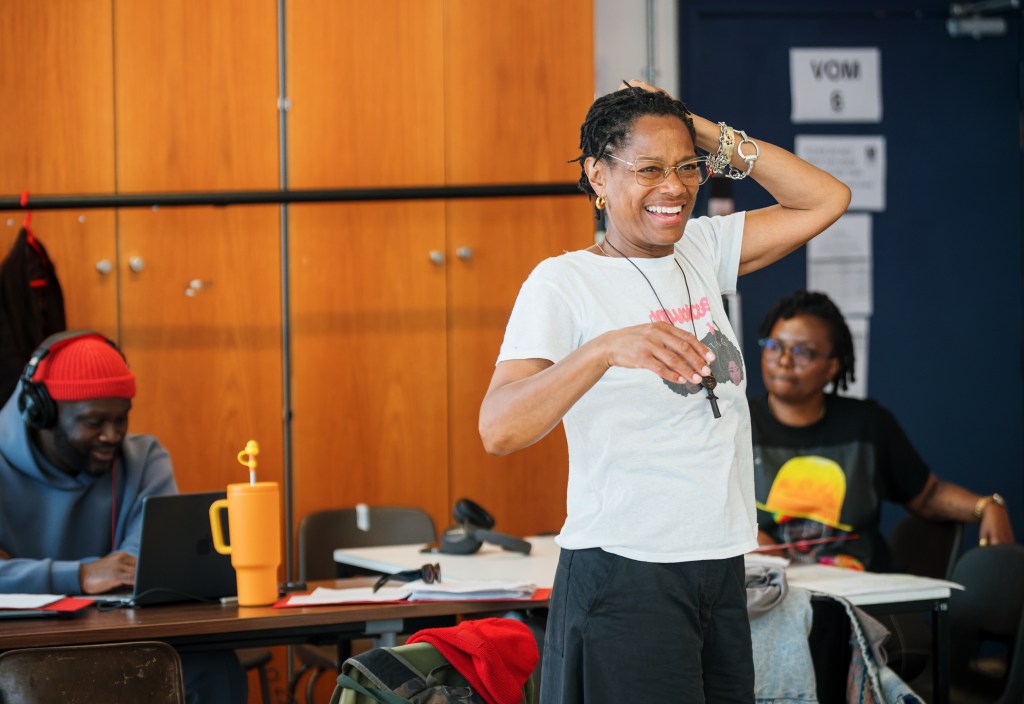
Llewellyn’s body of work reflects an ongoing engagement with both mainstream and independent productions, often working with companies focused on Black British narratives, such as Talawa Theatre. Her casting in 54.60 Africa continues this trajectory, placing her in a central role in a story that is set to explore cultural memory and generational experience. ALT’s Editor Joy caught up with Llewellyn as she hit the rehearsal room.
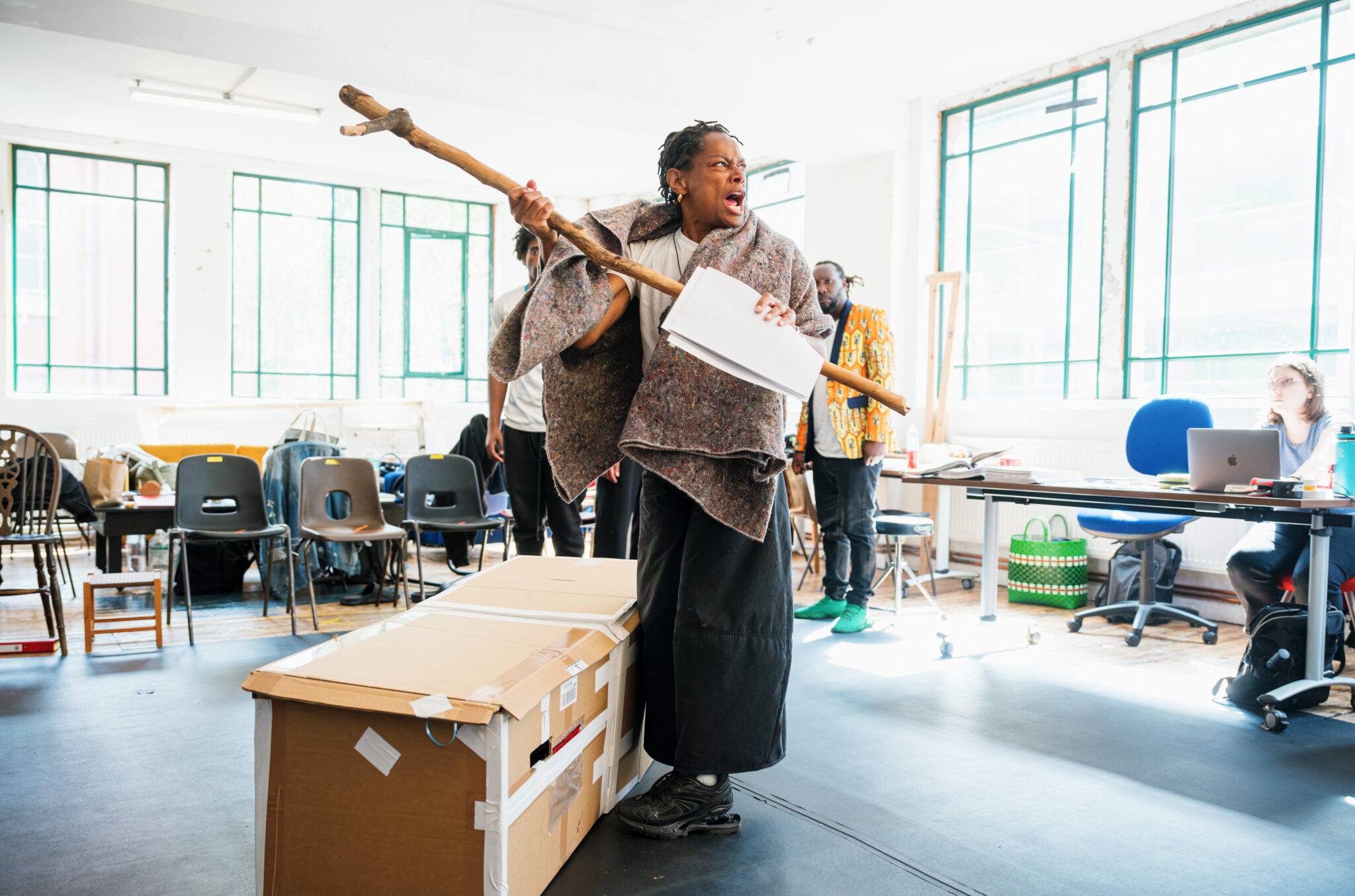
ALT A: 54.60 Africa is an ambitious production blending music, dance, and storytelling. What drew you to this project, and how does your character contribute to its vibrant narrative?
SL: I was interested in working with the director and wanted to understand more about his style of storytelling. My character is a fictionalised version of a historical figure and serves as a lynchpin throughout the piece.
ALT A: Can you share insights into the process of developing your character for 54.60 Africa? Were there any particular challenges or revelations during rehearsals?
SL: Finding her voice—trusting that it’s there in the pacing of the writing—was key.
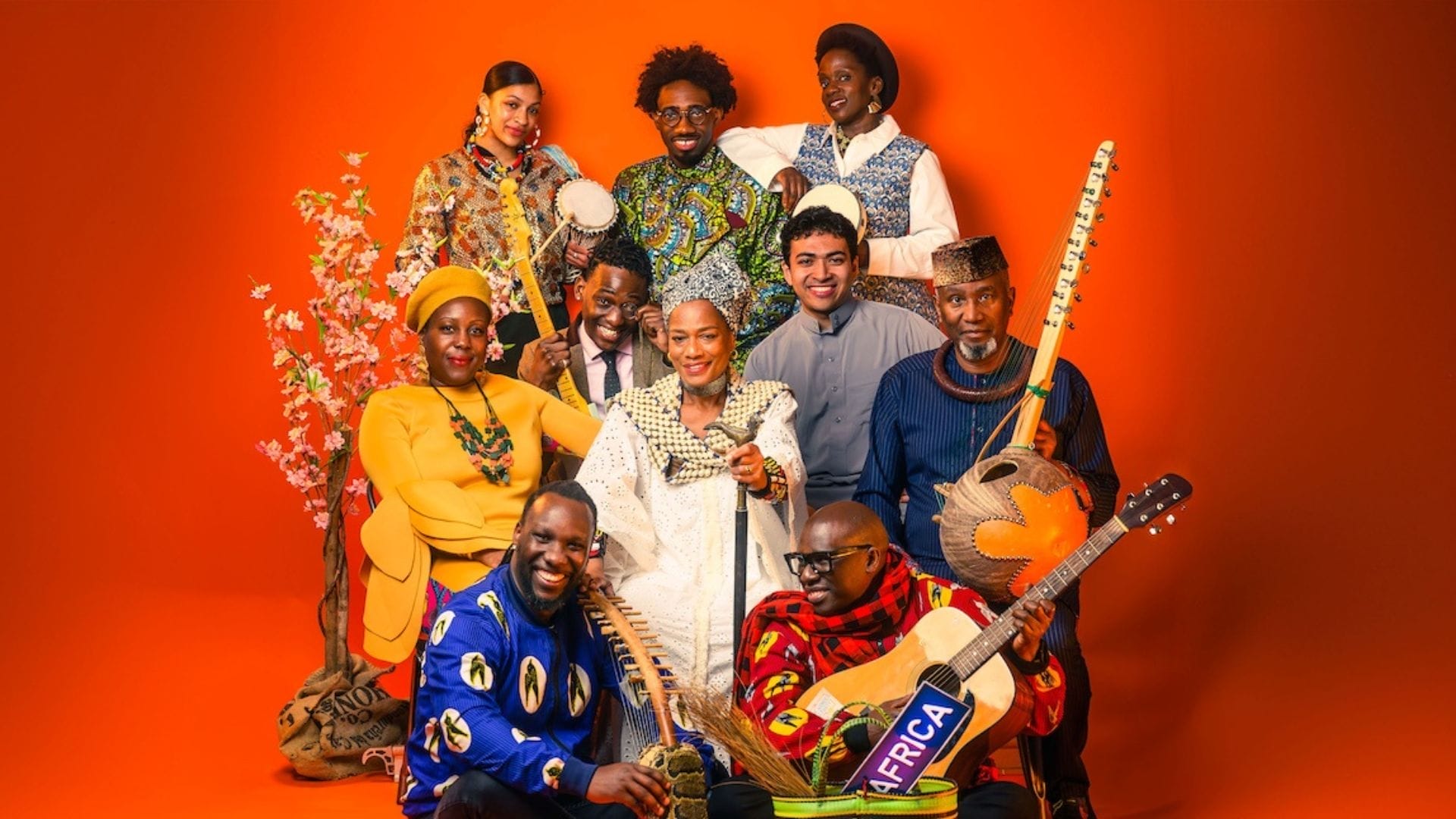
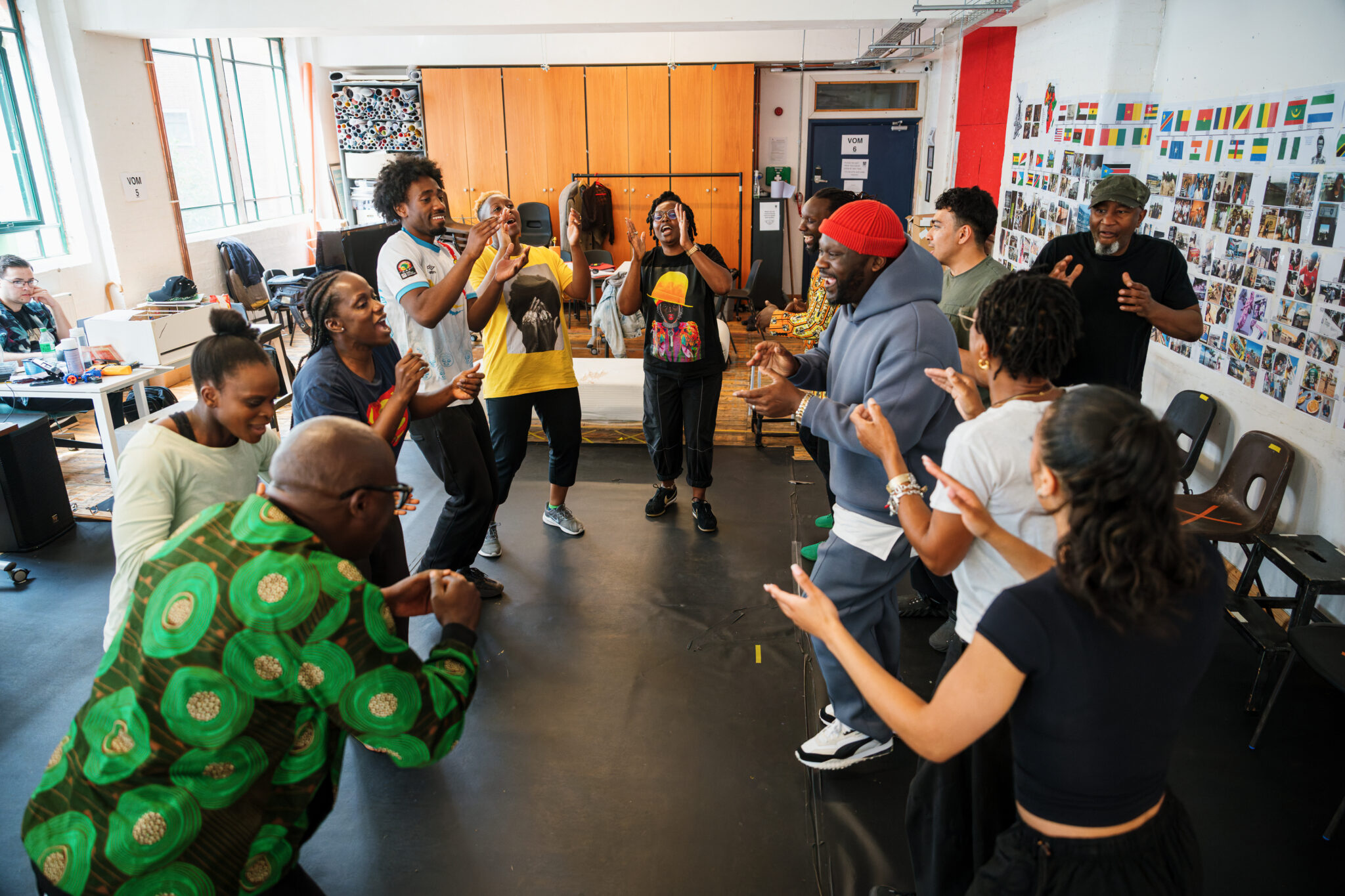
ALT A: The play is inspired by travels across all 54 African nations. How do you think this pan-African perspective enriches the storytelling and audience experience?
SL: The play sits firmly within the oral tradition of the continent. African oral tradition is here in Dalston with 54.60 Africa. It teaches skills, reports news, records history and legends, and uses music, songs, dance, and call and response.
ALT A: Looking back, your roles in EastEnders, Holby City, and Doctors, to name a few, have showcased your range. Which role has been most personally significant to you, and why?
SL: When I played or worked on themes around mental health. It’s affected my family, so it’s a subject I’m personally invested in.
As a result of being in Children of a Lesser God, I learned British Sign Language. That had a lasting impact on my life and introduced me to the Deaf world—a world I had been ignorant of.
ALT A: As a co-founder of the BiBi Crew, Britain’s first all-Black women’s comedy troupe, how do you see its impact on the industry and representation in theatre?
SL: BiBi Crew came out of a need to centre our experiences as African-Caribbean women, second generation. We wanted to create what we couldn’t see and knew there was a hunger for. We didn’t just tell new stories using different media—we also challenged theatre marketing departments on how our work was promoted, at a time when many of them held negative views about Black audiences attending theatre. We were proactive with funding and forged sponsorship deals with Black-run businesses to supplement grants.
As for the impact of BiBi Crew on the industry and representation? I can’t speak to that definitively. But I can talk about the many people who’ve told us we inspired them—some chose to become theatre makers, artists, or storytellers. Since BiBi Crew, there are certainly more stories from the African diaspora and more creators of African descent playing with form. That’s exciting.
ALT A: Your co-edited book, Still Breathing: 100 Black Voices on Racism, offers powerful narratives on race in Britain. How do you integrate themes of social justice into your artistic work?
SL: Partly through what I choose to work on and who I choose to work with. There’s always an angle.
ALT A: With your extensive experience, what new challenges or roles are you eager to explore in the coming years? Are there particular genres or themes you’re drawn to?
SL: Nothing beats a story well told. I want to be there telling it.
I’m excited by Afrofuturism. There’s strong representation of it in art, music, and literature. I’d love to see—and be part of—more of it in theatre.
ALT A: Why should audiences come to see 54.60 Africa?
SL: It’s great storytelling—engaging the senses, the emotions, and the intellect.
ALT A: Where do you call home?
SL: London.
ALT A: Go-to dish—what can’t you live without?
SL: I love stew peas and rice. It feels like home. I make it without meat. I’d be hard-pressed to live without rice—turmeric rice, rice and peas, brown rice, seasoned rice, jollof rice. Rice!
For tickets and more information book here: https://www.arcolatheatre.com/whats-on/54-60-africa/
Love this you may also like to subscribe to our digital newspaper HERE