

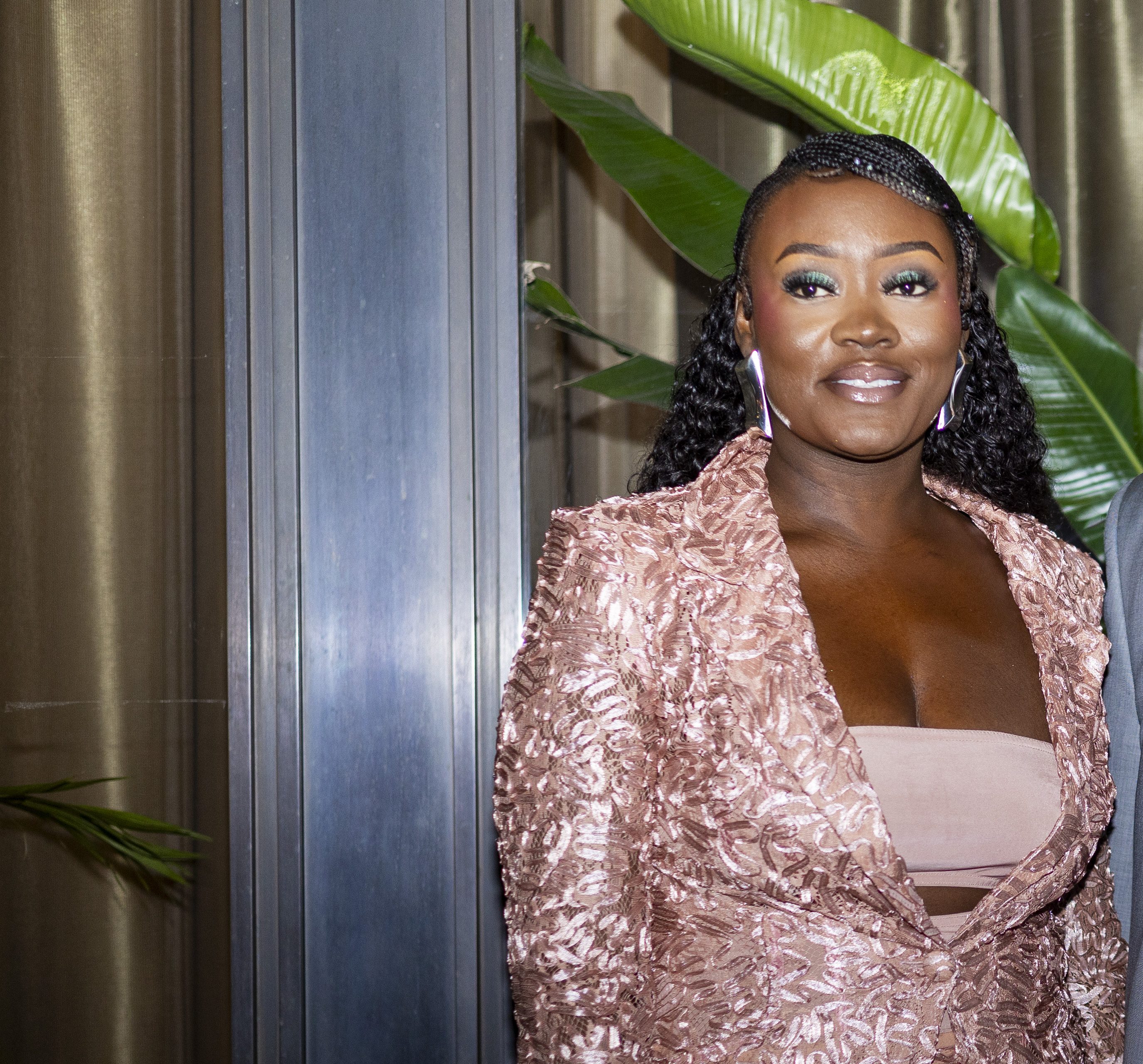
Crystabel Takyi-Adarkwa is the writer, producer, director and creator of Wild Nights in Paradise, a new reality drama series streaming on 7 Plus from 13 November. In this interview, she and cast member Donnay MsBoss discuss the inspiration behind the series, its distinctive blend of scripted drama and reality television, and its aim to celebrate Black British, African and Caribbean women through stories of joy, ambition, friendship and luxury.
Crystabel explains how her background in media studies and television production, alongside her experiences of travelling to Ghana, inspired the concept. She also discusses why she chose to give cast members scripted scenarios while allowing their genuine personalities and reactions to shape the performances.
Donnay reflects on her experience playing a character closely aligned with her real life, the freedom and challenges of improvising within a scripted framework, and the importance of presenting a more positive and empowering portrayal of Black women on screen. Together, they explore the lack of authentic representation in mainstream British reality television, the impact of stereotypes and rage-baiting, and the need for Black creatives to own and control their own narratives.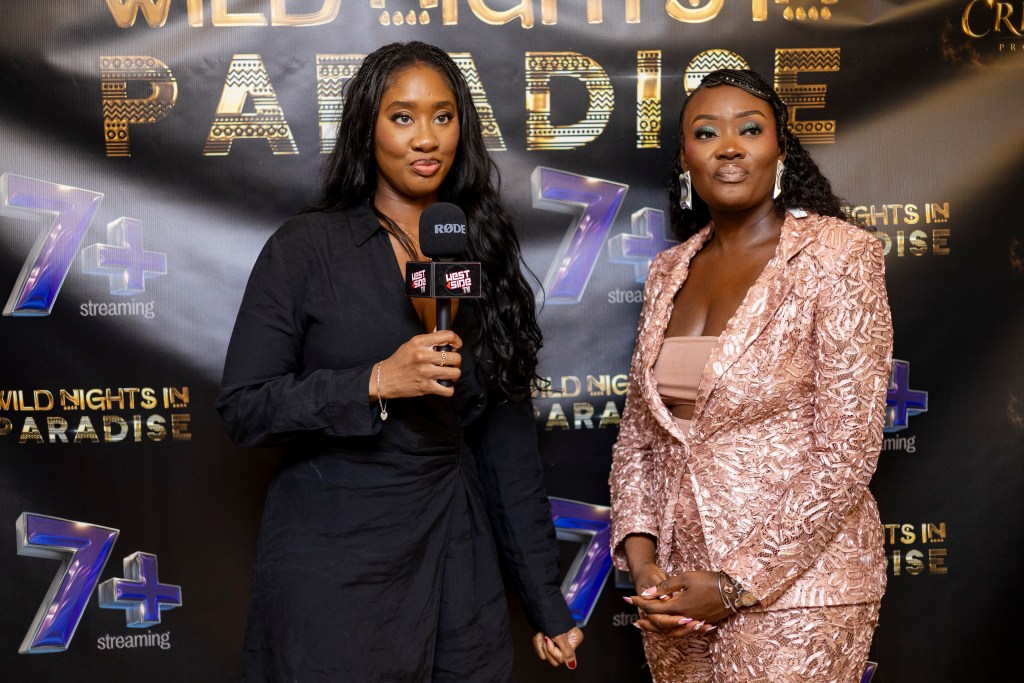
The conversation also covers the production journey, including the creative decision to introduce confessionals, the challenges of post-production and distribution, and Crystabel’s ambition to build Wild Nights in Paradise into a much larger storytelling universe through 7 Plus Streaming. Where you now watch on YouTube.
Crystabel Takyi-Adarkwa: I’m the writer, producer and director of Wild Nights in Paradise. Essentially, I’m the creator of this brand-new reality drama series, coming to you on 13 November on 7 Plus Streaming.
ALT: Let’s talk about the concept. Actually, let’s rewind a little and talk about you. How did this come about? What do you do that brought you into this space, and what is your background?
Crystabel Takyi-Adarkwa: Since I left high school, I’ve always studied media. When I did my A-levels, I studied media studies. In my first year, I was quite blown away by how much meaning and depth there was behind film. When we first started watching films and analysing them, I didn’t understand why the teacher kept asking us the same questions.
But I came to understand that film is similar to English literature: you have to break down what the writer meant, as well as the connotations and expressions they put into the piece. That is where I fell in love with media studies. For my first degree, I studied media production.
During that time, you get your student loan and have a bit of money. There was a wave of Black British Ghanaians travelling to Ghana in December, and while we were there, a somewhat bougie crowd would just party. Party, party, party—one week of partying and no sleep. It became a thing.
Twenty years later, it is a full-blown movement. But during those times, I used to think about the interesting and wild occurrences that took place. I thought to myself, wouldn’t it be interesting to put something like this on screen?
Fast forward, as you said, where is the link? I started working in television and noticed there was a gap in the market for narratives that celebrated Black British women’s joy, rather than focusing on suffering and suppression. That is where I began developing the concept for Wild Nights in Paradise.
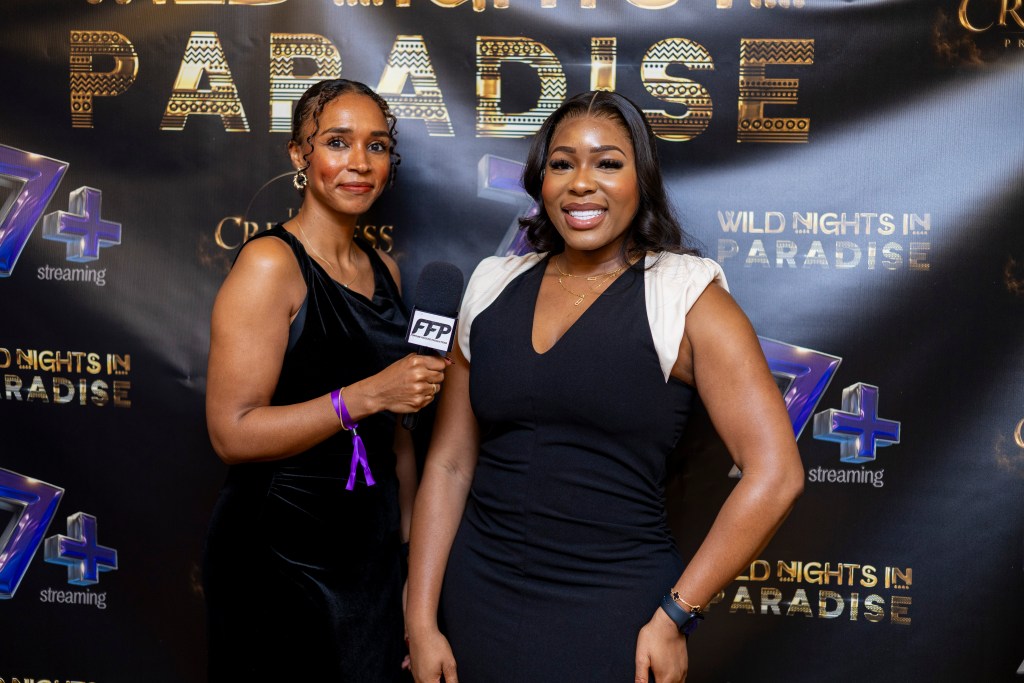
ALT: Can you talk a little about the concept and how you delivered it? Obviously, it is a documentary-style, reality-TV format with some acting as well. Why did you decide to deliver it that way?
Crystabel Takyi-Adarkwa: I decided to deliver it that way because, as a student of television production, when I studied for my master’s, one of the courses I took was about developing new formats. I felt I had a real talent for developing new ways of expressing and telling stories.
Wild Nights in Paradise gave me that opportunity. As you said, it is quite scripted. It is not your typical reality series. It is literally a scripted drama series, but I presented it in a reality format because I wanted the audience to immerse themselves in the characters.
The cast members kept their real names. All I did was give them scenarios and a guideline on what to say and how to express themselves in each scenario. I did not micromanage their performances, because I felt that if you put a human being in a situation they are familiar with—for example, asking them to be angry in a scene—they can be angry because they have experienced anger before.
It was me exploring myself as a student of television and being the first to do something of this kind.
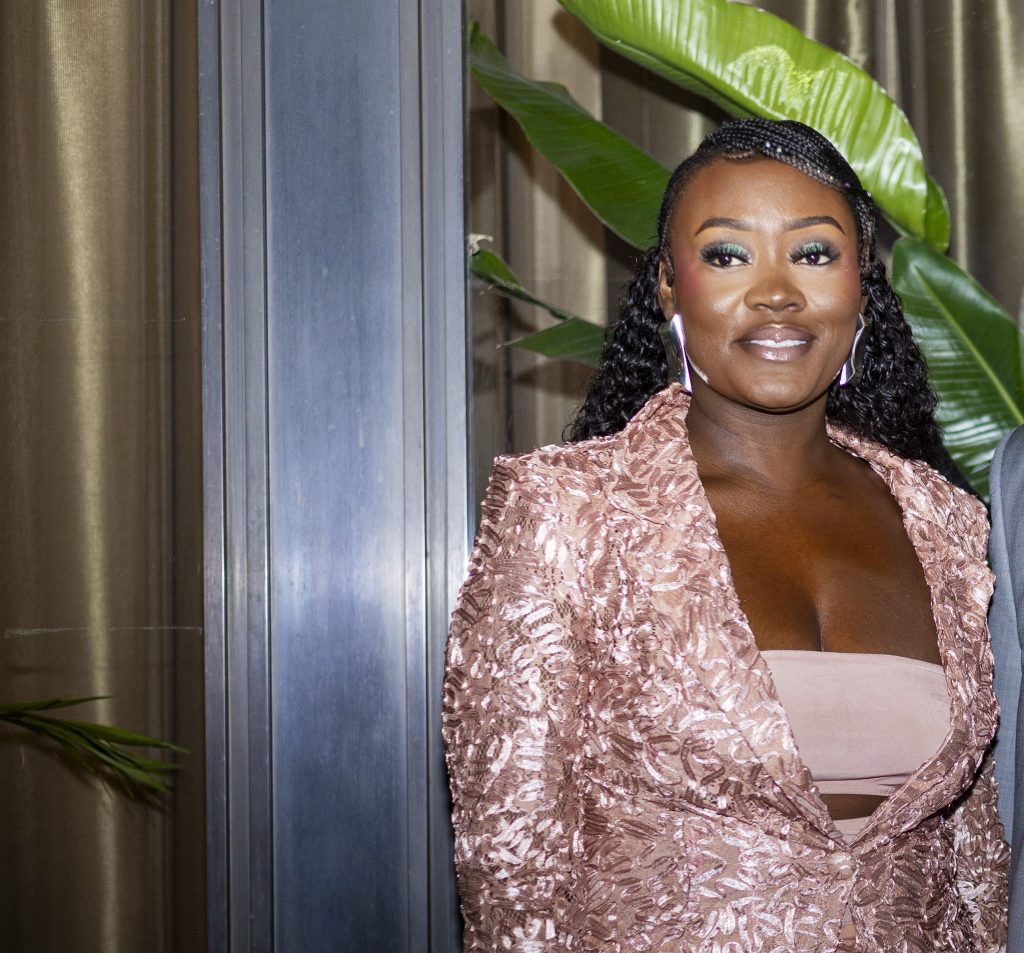
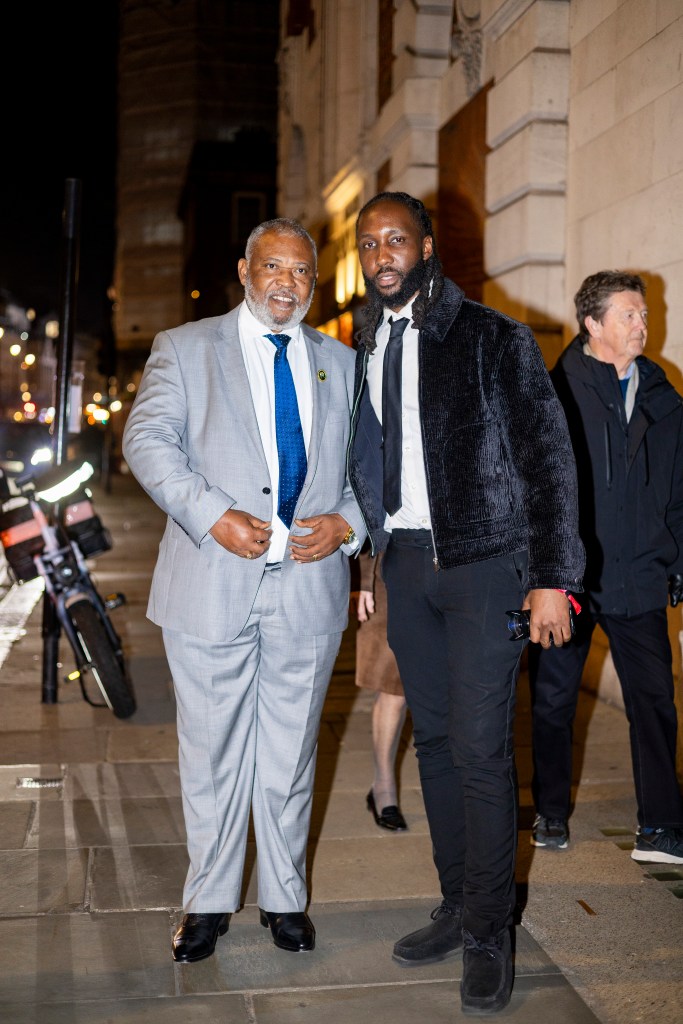
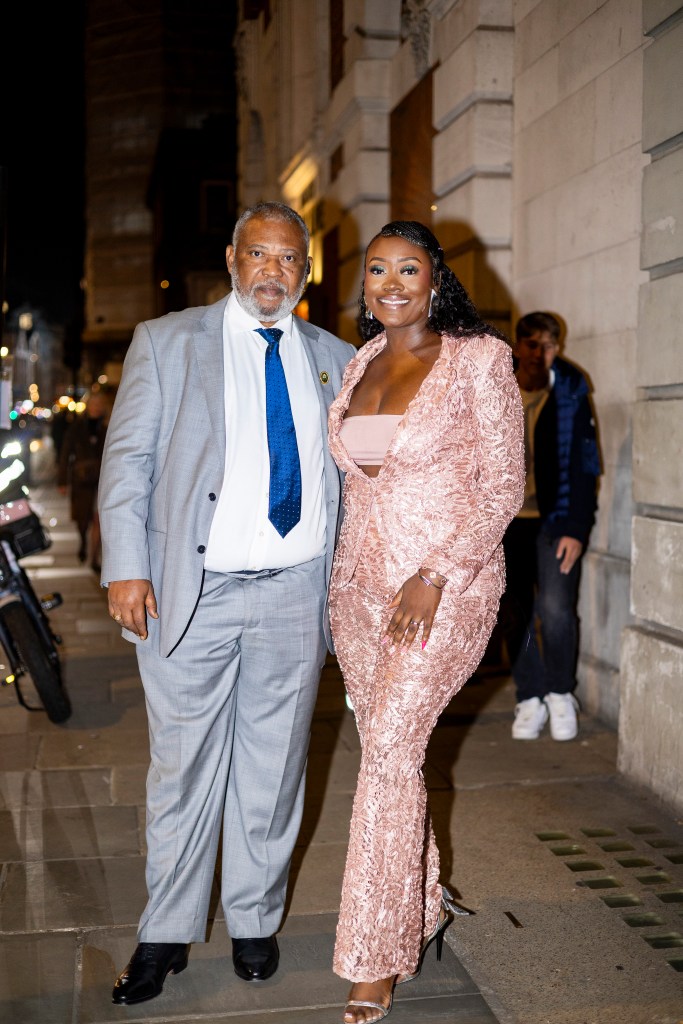
ALT: Nice to meet you. Can I get you to continue where Crystabel left off, regarding the authenticity of the production? Although it is scripted, you were given scenarios rather than a fully scripted piece. What was it like acting in that format, as opposed to working with a strongly scripted piece?
Donnay: That is where the reality-show element comes in. She scripted the scenarios, but she did not script our reactions to them. She put us in situations and told us, for example, “In this situation, you have to be angry,” or “You have to be happy,” or whatever emotion she wanted us to express.
She made it clear that the scenario was scripted, but the reaction had to come from our real personalities within the emotion she wanted us to manifest. That is where the authenticity comes in, because we had to be real about how we would react in those kinds of scenarios, despite being guided by the script and the emotion we needed to express for the audience.
That is why the show also feels like a form of reality show to me.
ALT: How easy was the improvisation? You had to come up with the dialogue. Was it easier because you knew the emotions?
Donnay: I can only speak for myself rather than the other cast members. In my case, it was easy because I had the opportunity to be myself on screen and, at the same time, showcase my real personality through the scripted scenario.
It was not difficult, especially as I already feel very comfortable in front of the camera. Having studied journalism, I was used to being behind the camera, but this experience was different. It was actually so much fun, and it was an opportunity for me to discover the actress within me that I did not know existed.
ALT: Talking about the depiction of Ghana and African women, Crystabel spoke about positivity and moving away from common stereotypes. Can you talk a bit about that as well, please?
Donnay: Yes, of course. I felt it was really positive because, for known reasons, the media has often broadcast very negative narratives about Black people and African people through documentaries, films and even African-American movies. You often see the struggling, angry Black woman.
I believe it was a very beautiful idea of Crystabel’s to tell a different type of story and show that Black women are not just angry, struggling women. They are also hardworking women who, from a young age, are educated, work for their money, think about having fun and make the most of life.
Even as a Black woman, I believe this is something the world needs to see. Crystabel offering that platform for us to express this is very powerful. It may even be the start of changing the narrative for our community, so I very much appreciate that.
ALT: This is a question for both of you, because we are having this conversation. How do you feel about the portrayal of Black women, specifically dark-skinned Black women, on British reality shows—from Love Island to Big Brother? What is your view?
Crystabel Takyi-Adarkwa: I’ll go first. Working in television, I understand why these narratives exist. They exist because they create the responses that producers and networks want. If they were not trying to create those responses, they would not keep doing the same thing; they would change it based on people’s reactions.
For example, the Black girl on Love Island who never gets chosen—it is part of the script. It exists to create anger. It is called rage-baiting, I suppose.
I understand why producers and television networks do it. But this is also where an opportunity arises for someone like myself, as a storyteller, to navigate that and portray something different.
We cannot essentially force them to portray us in the light we want, because it is their network, their advertising, their programming and their television. They control that. But what we can do is use today’s media landscape. We do not have to stick to one channel or channels one to five. We have YouTube and so many other platforms where we can celebrate ourselves in the light we want.
That is my take on how we are portrayed. I would not waste our energy and time fighting a battle that is a losing game, because that is a programme intentionally designed to receive that type of response. Instead, you find an alternative and celebrate yourself in the way you want to be represented. That is what I did with Wild Nights in Paradise.
ALT: Where do you see it going from here, Crystabel?
Crystabel Takyi-Adarkwa: Wild Nights in Paradise is going to be a mega-universe, like what Courtney Kemp has done with Power. There will be many storylines and spin-offs within this narrative.
Again, I am here to celebrate Black British, African and Caribbean joy: our music, our culture and our food, in the best way we want to celebrate them. We do not have to give our narratives to Caucasians or another race to celebrate us. We have to do it ourselves.
I feel that even the challenges I faced on this journey are connected to why I faced them. It does not fit the existing narrative to celebrate Black British girls in this way, so the support was never really there. But I have seen it through to the finish line.
All we need now is for the audience to judge what we have created. Wild Nights in Paradise is going to be a mega-universe.
ALT: And I don’t see why not. Can I quickly ask, for my audience here, where can we watch it? I know you mentioned it at the beginning.
Crystabel Takyi-Adarkwa: Wild Nights in Paradise is streaming on a YouTube platform called 7 Plus Streaming.
7 Plus Streaming is a platform launched to celebrate Black British diaspora voices. One of our flagship shows is Wild Nights in Paradise. We also have another show coming early next year.
We are launching with Wild Nights in Paradise, and that is where your audience will be able to watch it. Please subscribe and follow the journey as we create a platform that has not been established before for our demographic. Share it as much as possible, so the word can spread.
ALT: Just quickly, about your character again—can I ask you about that?
Donnay: My character, as I said in response to the first question, was very much myself, even though it was within a scripted context.
I had always described myself as an entrepreneur, but I am not an entrepreneur—I am a businesswoman. Thank you for that correction, Crystabel. In the scripted scenario, that was the role I had: I was a businesswoman.
I love having fun with a friend travelling abroad. In this case, it was Ghana, but I really love Africa in general. I love travelling there, going to luxurious places and meeting new people. So the character was very much myself.
And, funny as it sounds, some of the realities within the scripted scenarios became my reality after filming. Some of them actually manifested in the universe and I have lived through them. I think I embraced the character so much that the reality has now applied to my life.
The scripted scenarios became my actual scenarios. This shows the power of believing in and trusting the process you are in. Sometimes, because you believe in something so much, it becomes reality. I always believed this was a great project and that it could go really far.
I have so much to say, but I think I will stop there.
ALT: Finally, coming back to Crystabel, what were some of the other challenges you faced in terms of production? Can you talk about how it was shot and how you wanted to portray it through the camera lens?
Crystabel Takyi-Adarkwa: Originally, when I wrote it, it was heavily scripted. We did not really have a reality element to it. But when I got on set and realised we had some budget constraints, I decided to add the confessionals so that we could cut certain scenes and tell the story more quickly without having to add too much dramatisation.
I also felt that adding the confessionals gave the audience insight into the characters’ thoughts, which added more drama.
The production itself went quite smoothly. The only challenge was that we worked long hours. But when you put your mind to something, the universe kind of conspires to help you. We had a lot of people help us along the way with many elements needed to get the show done.
The major challenge was post-production. We shot Wild Nights in Paradise in 2022. As someone trained in television, I have experience in development and production, but when we got to post-production, I realised that was my weakness.
It has been an extra education and learning curve for me. From post-production came distribution, and I had no clue about distribution, even though we had initially planned to put the show on YouTube.
When we finished shooting, it looked so good that we thought, let’s try Netflix, Amazon and other platforms. I had a few offers, but it just did not work out the way I wanted.
Coming back to YouTube was actually the best thing for me. I always say stick to Plan A, because I can see the benefits. Once you own your YouTube channel, you understand your audience and demographics, and you can grow your brand based on that.
So, yes, the challenges came mostly in post-production.
ALT: Obviously, the success of Dreaming Whilst Black, which started on YouTube, has come full circle. There are a few examples like that, aren’t there? So, where do you see yourself in five years’ time?
Crystabel Takyi-Adarkwa: That is a really good question. For the project, I wear many hats. I recently moved to Accra, as well as living here in the UK, and I have expanded myself as a creative.
I now work across events, experiences and content. For this particular side of me, I see 7 Plus Streaming becoming a major platform where I can commission other people’s work and help them put their work out there.
I want to work with major advertisers, grow the platform and essentially build it into a standalone platform that exists outside YouTube. And, of course, I want the rest of my brands to grow in capacity.
We pray for long life to see all of these things come to pass, but I have no doubt in my mind that, with the tenacity, resilience and ambitious nature I have, I will see these projects come to fruition.
ALT: Thank you both.