


“You can regenerate buildings, but if you don’t regenerate the people and give them a real sense of hope and aspiration, and a sense of mobility that they can strive and achieve their full potential, then you’re really tinkering around the edges,” Leroy Logan MBE
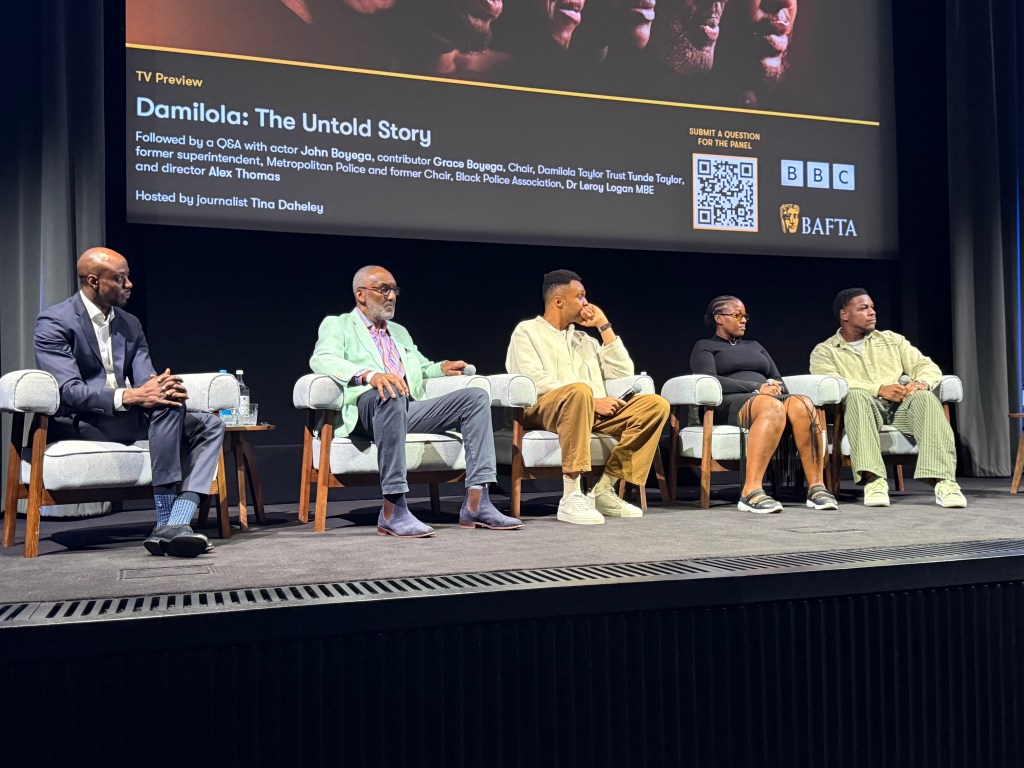
At BAFTA the story of Damilola Taylor was brought back to the room by the people who knew him before his name became known across Britain. (main image credit: BBC/Optomen)
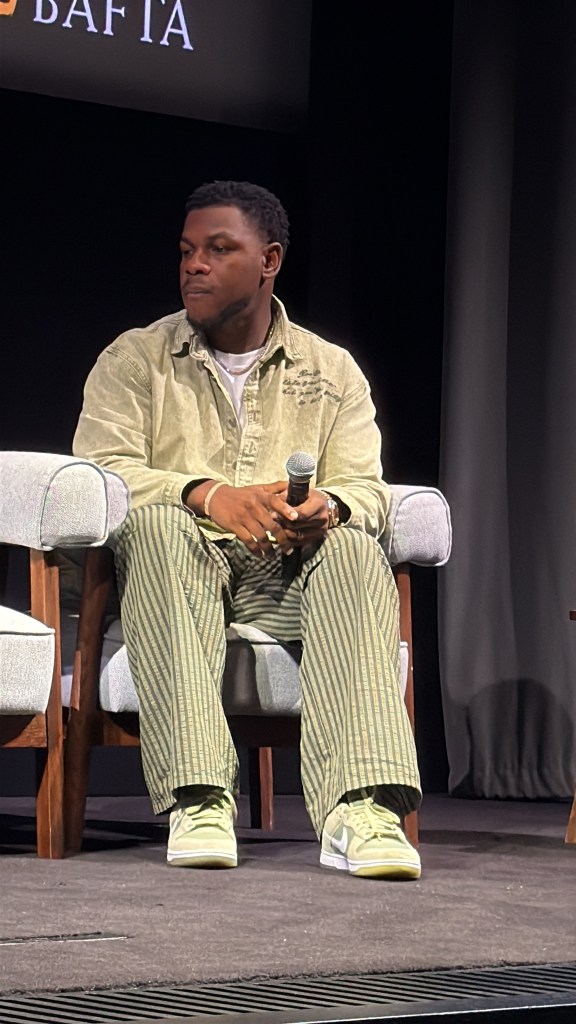
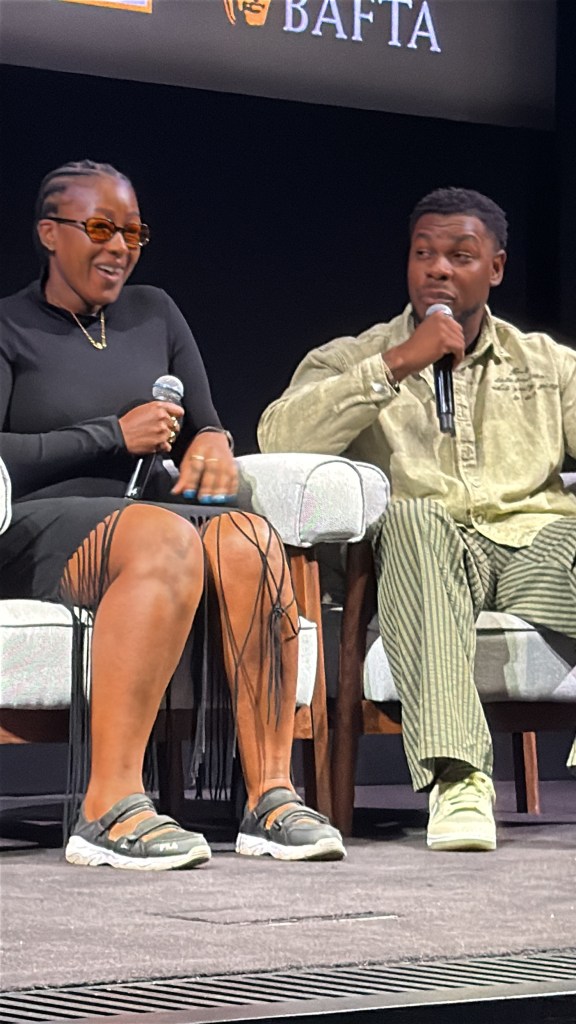
The screening of Damilola Taylor: The Last 24 Hours was followed by a Q&A with the film’s director, Alex Thomas, Damilola’s childhood friends John Boyega, and his sister Grace Boyega, former police officer Leroy Logan and Damilola’s brother, Tunde Taylor.
Grace Boyega was a close friend of Damilola her presence on the panel added another personal perspective to a story that has been revisited many times over the past 25 years.
For John Boyega, taking part in the documentary meant returning to a part of his childhood that has stayed with him. He was one of the last people to see Damilola alive and, in the film, gives previously unheard testimony about what happened before his death and the fear and uncertainty that followed for him as a young Nigerian boy in Peckham and his community. It was one of the reason he found acting and soon after joined Theatre Peckham.
One of the things that made him get involved with the documentary, was because he felt inspired by the team behind the documentary and by the intention behind making it.
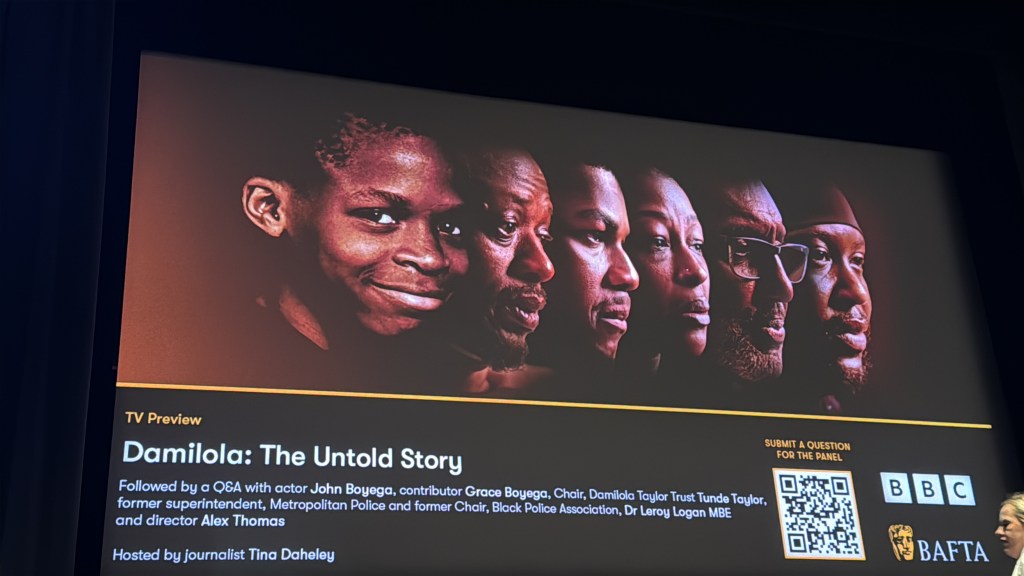
Damilola was 10 when he was fatally stabbed on 27 November 2000 in a stairwell in Peckham, south-east London, just metres from his home. His death shocked the country and became a defining case in the discussion around knife crime. Prior to his death he was being bullied about his Nigerian ascent and in the film you are given more context around this.

Tunde Taylor spoke about his brother’s legacy during the Q&A, describing it as “one of hope and one of purpose” and saying Damilola’s life was a reminder that people can fulfil what they put their minds to.
For Tunde, watching his brother’s dreams and ambitions being portrayed on television prompted him to think about his own life. He spoke about asking himself why he should not have dreams of his own and what he could do to reach his potential.
For someone who has spent 25 years living with the loss of a brother, the idea of Damilola’s potential is difficult to separate from the tragedy of what happened. Damilola’s life was cut short at an age when his future was only beginning to take shape.

Thomas, the film’s director, said one of the challenges in making the documentary was deciding how much context to give to those responsible for Damilola’s killing.
He said there was not much that was considered completely off limits, but that he wanted to give the killers context without giving them too much “currency”.
The film examines the environment in which Damilola and other young people were growing up in Peckham at the time, including fear, bullying and the pressure some young people felt to protect themselves.
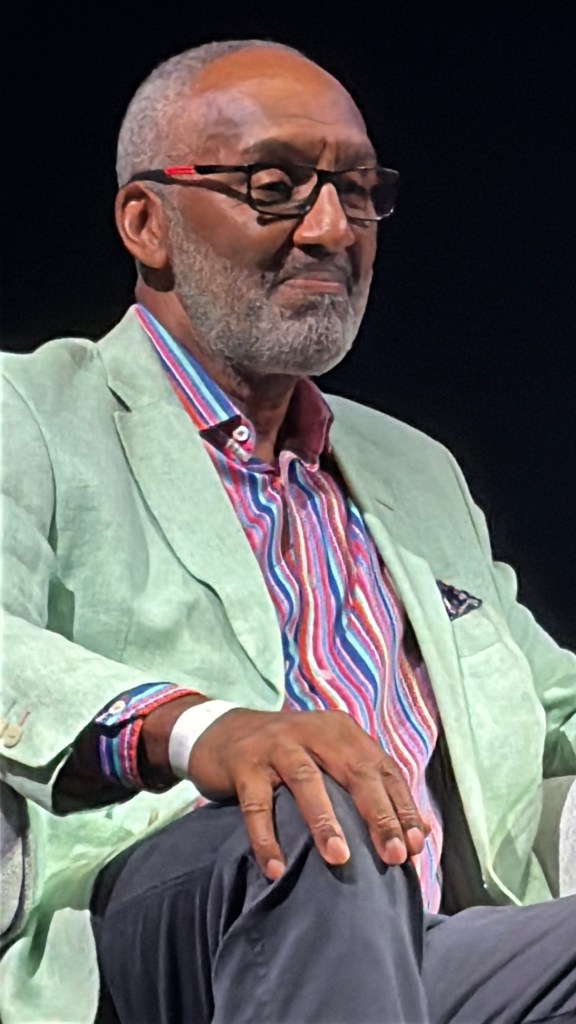
Leroy Logan commented on the changes he had witnessed in Peckham and the wider community over the years: placing Damilola’s story within the wider context of policing, young people and the circumstances surrounding knife crime.
“There was a real sense of community in Peckham ” he said, recalling that he had friends on the estates in the 1970s.
“But then, as I said in the film, the crack cocaine and criminality and the artificial barriers, like the ‘ends’ and postcodes, everyone had a name, and that fearsome look, it just kept on growing. And Damilola’s case seemed to open the floodgates for a lot of violence. It was a tough experience.”
Logan said that, 25 years later, there was a more uplifting picture in some respects, but warned that regenerating buildings was not enough.
“You can regenerate buildings, but if you don’t regenerate the people and give them a real sense of hope and aspiration, and a sense of mobility that they can strive and achieve their full potential, then you’re really tinkering around the edges,” he said.
In Logan’s view, many of the underlying issues around knife crime and violence have not fundamentally changed.
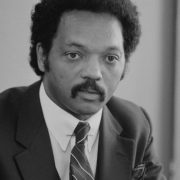
“In a lot of ways, the issues of knife crime and violence have not really changed. Whether it’s guns or fist fighting, we have not got to the heart of that problem. It’s part of the human condition, so it’s not going to go away totally.”
He acknowledged that knife crime has been falling, but said there are still “pockets of real negative role models” that can lead to gangs and have a ripple effect on many people’s lives.
The film moves between two periods. There is the Peckham of 2000, where a 10-year-old boy was making his way home, and there is the Britain of today, where knife crime remains a major concern.
But the documentary does not reduce Damilola to a statistic. It brings to life the young, aspirational boy in the silver hooded coat who had dreams of his own and even had a crush on John Boyega’s sister, Grace.
Grace recalled one particular memory during the Q&A, telling us how Damilola once buried a present for her.
The audience already knows how the story ends.
Thomas, a double Grierson Award-winning filmmaker whose previous work includes Bibaa & Nicole: Murder in the Park, has approached Damilola’s story through those who knew him and the young people who experienced the world around him.
Jack Bootle, the BBC’s head of commissioning for specialist factual, said Damilola’s killing had changed the lives of those closest to him and that the film sought to honour his memory through the voices of people who knew him best. Twenty-five years after Damilola was killed, those voices remain central to understanding what happened.
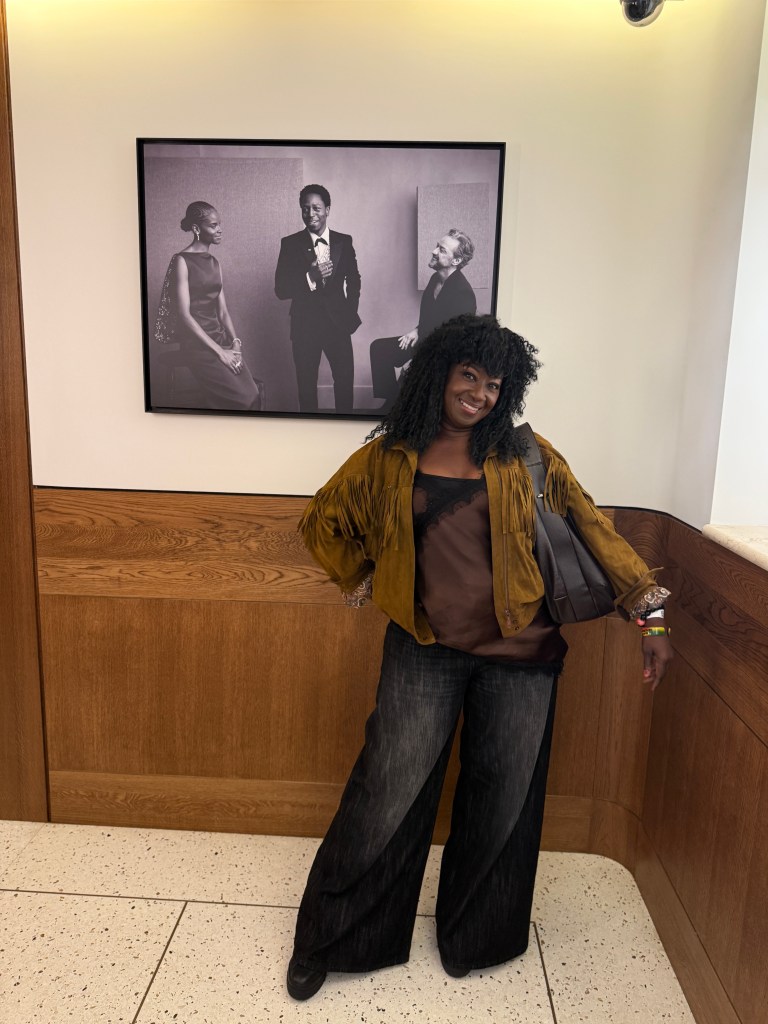
Leaving #BAFTA, with a sense of sadness and a sense of joy as having witnessed a more personal view of the 10-year-old boy, from the people who knew him, the dreams he had and the lives that continued after he was gone.