

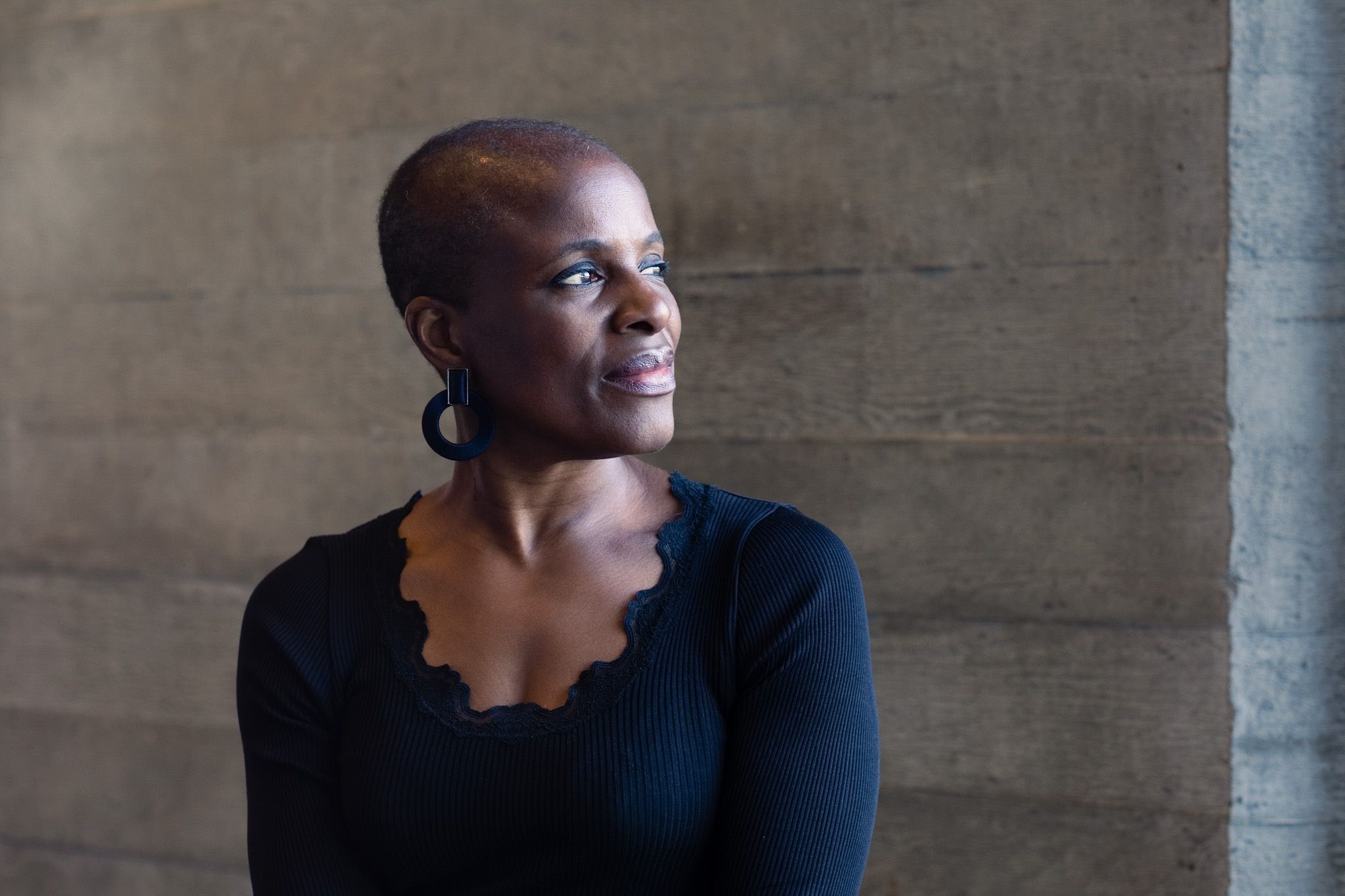
“The history is not dead, we live through it.” That idea sits at the centre of Winsome Pinnock’s work. In this exclusive chat with ALT A Review around her new play The Authenticator, she reflects on access to the arts, the political role of theatre, and the urgency of telling stories that confront what is often left unspoken. Pinnock also talks about the importance of having “Black Sarah” in The Authenticator storyline, she says ‘People like Black Sarah were erased from history”. Black Sarah is not physically on the stage but becomes a forth “haunting” character, vividly brought to life by the strength of Pinnock’s words.
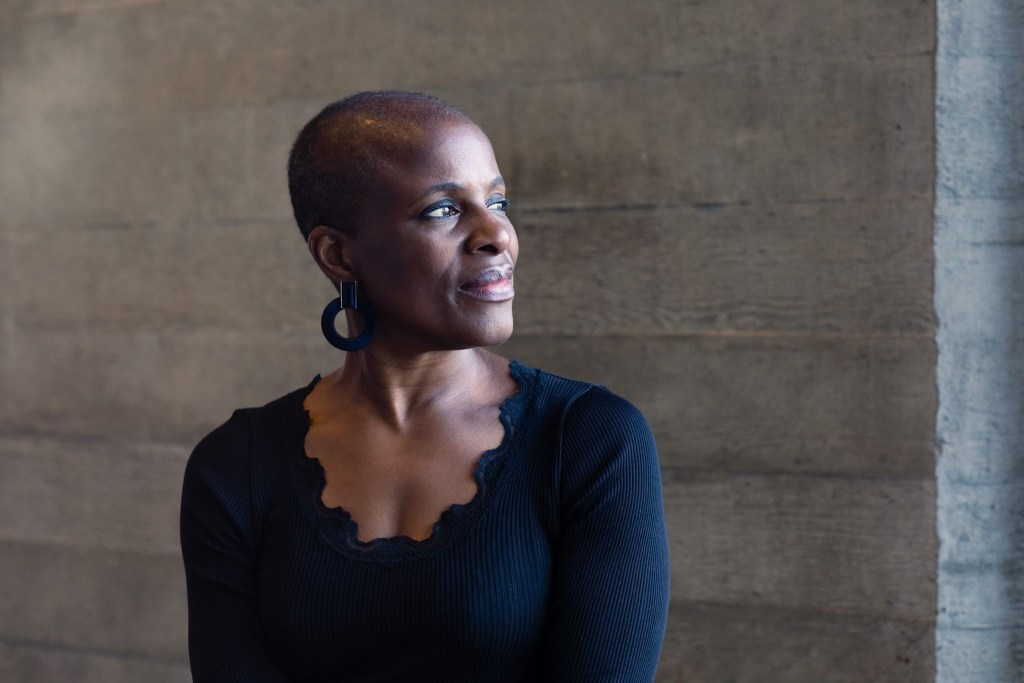
Pinnock is an award-winning playwright and dramaturg. She holds undergraduate and postgraduate degrees from Birkbeck and Goldsmiths, both University of London. Recent awards include UK Theatre Awards 2025 – Adaptation of Malorie Blackman’s Pig Heart Boy won award for Best Show for Children and Young People.
The Authenticator runs until 9 May 2026 BOOK HERE
ALT A: Winsome Pinnock, thank you so much for talking to ALT A Review in advance. What first drew you to writing plays, and what continues to drive your need to tell stories, specifically the kind of stories that you tell?
Winsome: It is a long story. I come from a family where people did not go to the theatre. I come from a very poor working class background, but I was lucky to be born at a time when schools were really encouraging the arts, and when what was then the GLC, the Greater London Council, also valued the arts. They provided resources to encourage young people to engage with theatre, music, and dance.
Jerwood Theatre Upstairs
There were a lot of girls at the school I went to. It was an inner city comprehensive girls school, and my teachers really encouraged us to appreciate literature. I loved books and poetry, and then going to the theatre. I loved all live arts.
There was a group of girls who were very engaged with dance, including ballet, contemporary, and jazz. My sister was one of them, along with her friends. So there was a core of young women at the school who were seriously engaged with the arts, and I would go and watch plays with the school, and then on my own with my younger sister. We would travel to Stratford upon Avon and watch Shakespeare plays. I do not know what inspired us to do that, but we did.
I loved the experience. The lights would go down, and you would anticipate what was going to happen on stage. What you saw was usually beautiful. I loved everything about it, the acting, the lighting, and the design. Many of the plays were political, and I also saw a lot of theatre in education. Theatre would inform you and ask questions. That is how my idea of theatre was formed.
I went on to study English literature and drama at Goldsmiths, University of London. At that time, not many working class Black students went to university, and I was the only Black person in my cohort studying English and drama that year.
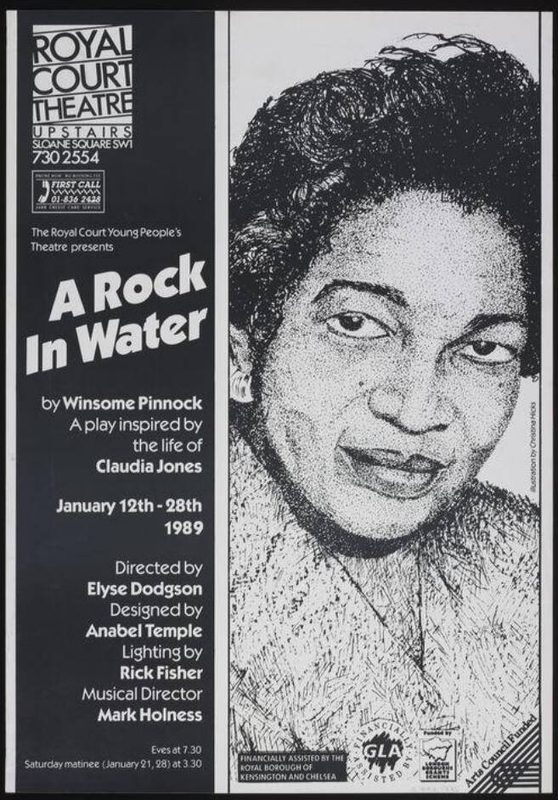
While I was there, I started writing about the Royal Court Theatre, which had a group called the Young Activists. Its ethos of inviting different kinds of people into theatre really captured my imagination. I was writing my dissertation on that, and I was also writing sketches.
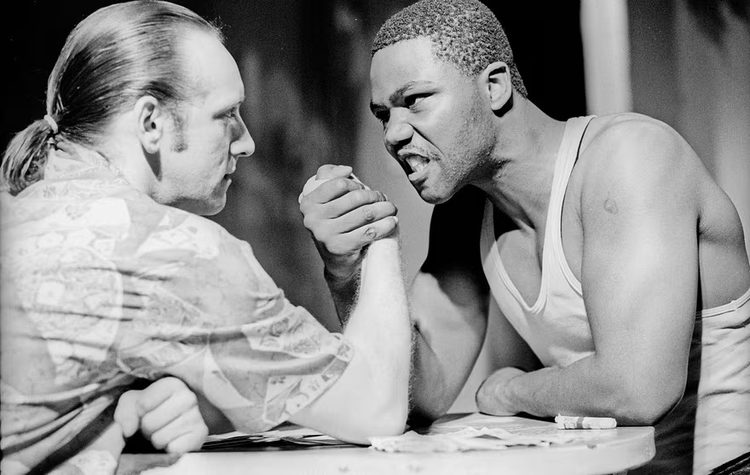
Winsome Pinnock | Dates Performed Thursday 22nd August 1991
Jerwood Theatre Upstairs
I had been writing since childhood, prose and poetry, and when I started going to the theatre, I began writing plays. I sent a sketch to the Royal Court, and they invited me to join their young writers group. I was over the moon. I remember running to tell my mother, who worked as a hospital cleaner, that they said I might have talent.
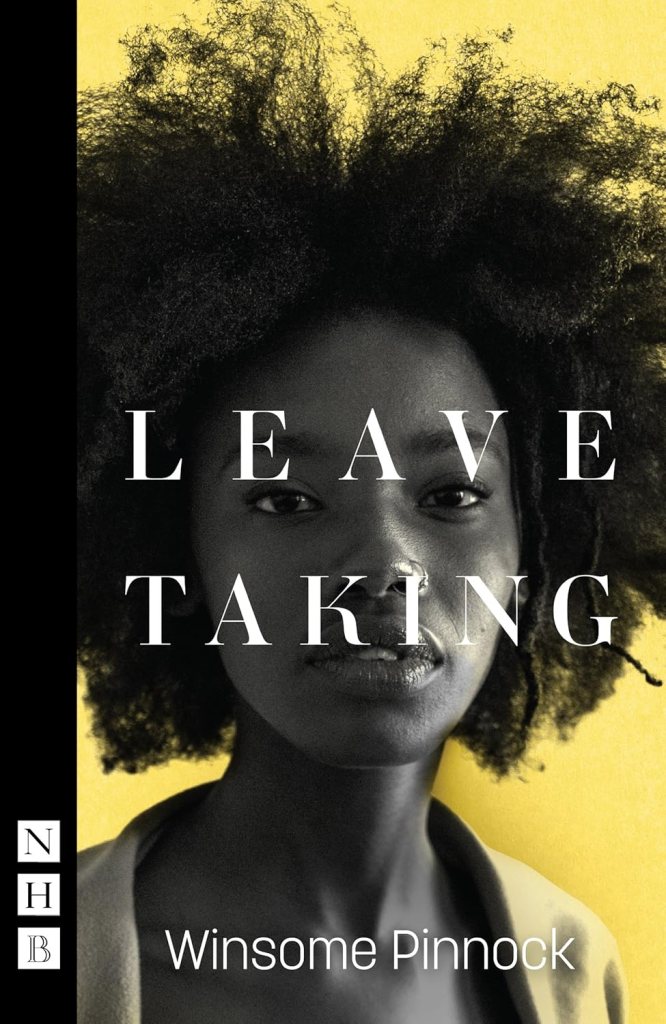
That group was full of talented young people, and we met every week to present work and critique each other. I was there for a few years, and my play *Leave Taking* came out of that group. It was eventually produced and is now on the GCSE curriculum.
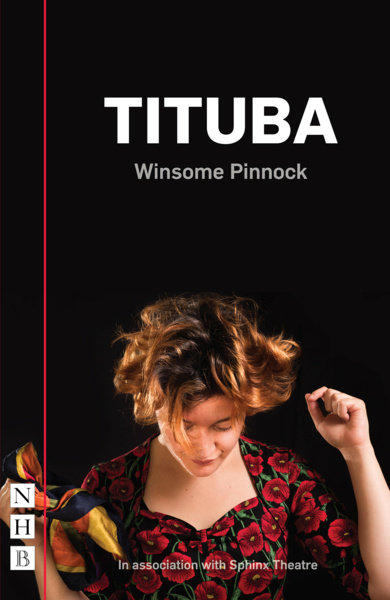
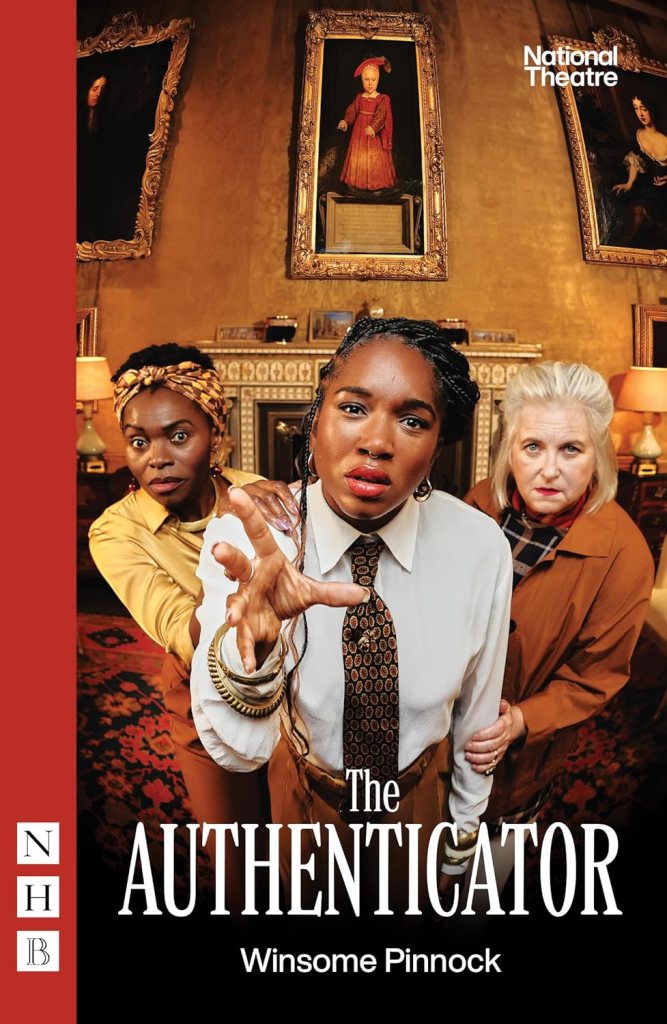
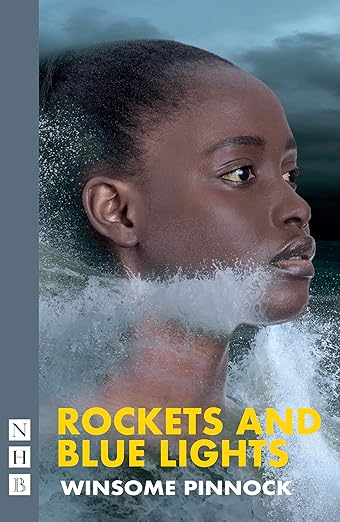
Publications…………………
ALT A: Thank you. So just a little bit more about you and your process. When you begin a new play, do you start with a character, a history, or a question that you might want answered?
Winsome: I wish I could give a really clear and neat answer to that, but I cannot. If I look at my notebook, as I am beginning another project now, there are notes on all sorts of things, little ideas and aspects of character that occur to me, and questions certainly. I might begin with a question, but that will lead to other thoughts and ideas.
It is a gathering together of a lot of material, ideas, and ideas for characters. I have notebooks where I write things down and talk through them. It is my way of thinking through the play. So it begins with many different elements.
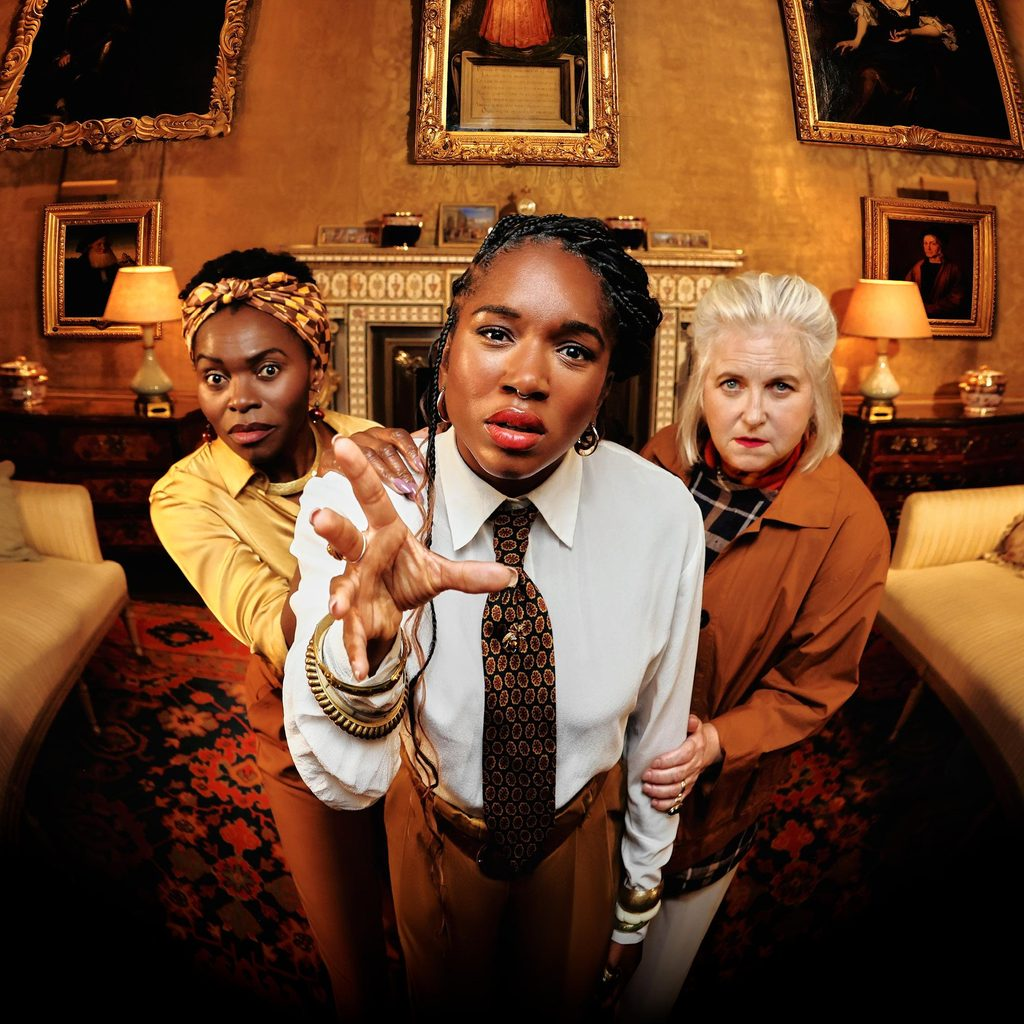
ALT A: Let us talk about your play The Authenticator. It blends the country house, almost comedic setting with the legacy of slavery. What drew you to placing such weighty historical themes in a setting often associated with tradition and nostalgia?
Winsome: When you go to those houses, it is aesthetically very pleasing. You walk around, admire the artwork and the architecture, and spend time in these beautiful spaces. But often there will be evidence of a Black presence. There will be some representation of that history, sometimes in a painting with a Black figure in the background, or occasionally more prominently.
That history is not explicitly discussed. The National Trust has been gathering information on these houses, and that is what drew me to the subject. They carried out a research project and found that many of these houses were either bought through the proceeds of enslavement or refurbished with money made during the slave trade era, including compensation payments after abolition.
That was very interesting to me. They have received criticism for bringing this work forward, but they wanted people to understand it. During the Black Lives Matter movement, there was a moment when these subjects were more visible. These houses, and the histories within them, became part of a wider cultural conversation. The National Trust helped bring that hidden history into the open, and that became a key starting point for me.
ALT A: One of the things that stood out was the character of Black Sarah, who is not physically on stage. What is the importance of that character, and how do you shape someone who is not seen?
Winsome: Black Sarah is a kind of ghost in the play. I am interested in ghosts because they represent the shadow of history and how it continues to affect us. We are often told that history is over, but we live its legacy.
People like Black Sarah were erased from history. They appear in inventories as marks on ledgers, but who they were has been forgotten. Yet they live on in us, and in characters like Marva, who is descended from enslaved people.
There are only fragments of her voice, but if you listen closely, she emerges as a rebel. She is often punished, which suggests resistance. You see that spirit in Marva as well.
There is also a responsibility in how this work is realised. Directors and actors have to bring that presence forward. It is difficult work because it deals with serious themes but also includes humour. That reflects life. People respond in complex ways, and the play allows for that.
ALT A: How important is it for you, personally, to see this story on stage at a time when there are debates about history and its relevance?
Winsome: It is important, and that is why I wrote it. I think it takes courage to write this kind of work because it can be contentious. There are people who argue that this history is not important or that its legacy is a myth, but we know that is not true.
It can feel difficult to say these things at the moment, which is why it feels even more important. Theatre allows a society to look at itself, to ask questions, and to provoke thought.
ALT A: When writing about such serious subject matter, how do you approach comedy and strike that balance?
Winsome: I was working with elements of the gothic, which gives you room to play. The comedy is not about the history. It comes from us in the present and how we respond to that history.
I love comedy. It brings people together, but it is also disruptive. It unsettles the audience. I did not want people to sit there feeling pity. Comedy interrupts that and makes you question what you are laughing at.
It keeps the audience engaged. It is disarming, and I am interested in that effect.
ALT A: What would you like audiences to take away from the play?
Winsome: I would like audiences to feel a collective responsibility to look at this history and understand it. By doing that, we can understand each other better. There is a lot of fear around this subject, and we need to address that.
ALT A: Where do you call home?
Winsome: London. I love it. I love its diversity and its energy. You can find anything here, peace or chaos. You only have to step outside and observe people, and that feeds into the work.
ALT A: Are there any writers or thinkers who have shaped your voice?
Winsome: Many. Writers like Toni Morrison and Alice Walker, as well as British writers and my contemporaries. There are also younger writers coming through who are doing remarkable work and making an impact on theatre.
ALT A: Why are you passionate about encouraging new writing, and do you think it is supported enough right now?
Winsome: This play was produced by the New Works Department at the National Theatre, which is important. A national theatre should be examining its society and culture, and new work is where that happens.
We are still recovering after COVID, and theatres are rebuilding. Supporting new writing is essential because it is where bold questions are asked and discussions begin.
ALT A: Last year, we lost Yvonne Brewster. What does her legacy mean to you?
Winsome: She was an extraordinary force. She was at the forefront of developing Black theatre in this country. Some of the most powerful productions I saw when I was younger were created by her, often on a large scale with limited resources.
I remember her production of *The Gods Are Not to Blame*. She showed what was possible in theatre. Beyond that, she supported individuals behind the scenes, helping playwrights through difficult times.
Her legacy is profound. She paved the way for people like me. She is deeply missed.
ALT A: Winsome Pinnock, thank you so much for speaking with us. We really appreciate it.
Winsome: It is a pleasure. Thank you so much. Read more about Winsome HERE
If you like our work share post on social media follow @alt_africa_ on Instagram.