

Decade after decade, the faces on our banknotes have told a story about who Britain chooses to honour. Engineers, writers, scientists and war leaders have stared back at us from our wallets, shaping how we understand the country’s past. The Bank of England has announced that the next series of notes will move away from individual historical figures and instead celebrate the UK’s wildlife, chosen with the help of the public. (Main image Sarah Sarah Forbes Bonetta)
A recent national consultation found that “nature” was the most popular theme for future designs, with people repeatedly mentioning the animals and landscapes that make these islands feel like home. In response, the Bank will run a second consultation this summer to gather opinions on which species should appear and will work with wildlife experts to draw up a shortlist. The process will take several years, as new notes must incorporate the latest security features, remain accessible to users, and still carry the monarch’s portrait on one side.
Nature is a powerful symbol, there is something beautiful about the idea that otters, owls or wildcats might soon sit where Winston Churchill and Jane Austen once did. Nature connects regions, generations and communities, and it reminds us that we belong to a shared environment that needs care. Wildlife images can also work well with modern anti‑counterfeiting technology, offering shapes, colours and patterns that are distinctive and hard to fake.
But alongside that excitement comes a quieter, more uncomfortable question: what about all the Black Britons whose lives and labour helped build the country that issues these notes, and who have never appeared on them?
Black people have been part of British life for centuries, contributing to its economy, culture, intellectual life and democracy long before the modern images of “multicultural Britain” we know today. Yet the official gallery of faces on Bank of England notes has so far told a narrow story, one that largely side-lines people of African and Caribbean descent. As we move from people to wildlife, there is a real risk that this gap is never addressed.
There is a long list of figures from Ignatius Sancho who was born into slavery in the eighteenth century and brought to London, he worked his way to independence as a shopkeeper, while also writing and composing. As a financially independent man who met the property requirements of the time, he became one of the first known Black voters in British parliamentary elections and used his voice to argue against slavery. His life challenged racist assumptions and helped push forward the moral debates that would eventually lead to abolition.
Or Olaudah Equiano, kidnapped from West Africa as a child and forced into enslavement. After years of brutal exploitation, he managed to buy his freedom and settled in Britain. His autobiography gave readers here a first‑hand account of the horrors of the slave trade and life onboard slave ships. It became a powerful tool for the abolitionist movement, forcing the British public to confront the human cost of an economy that had enriched the empire.
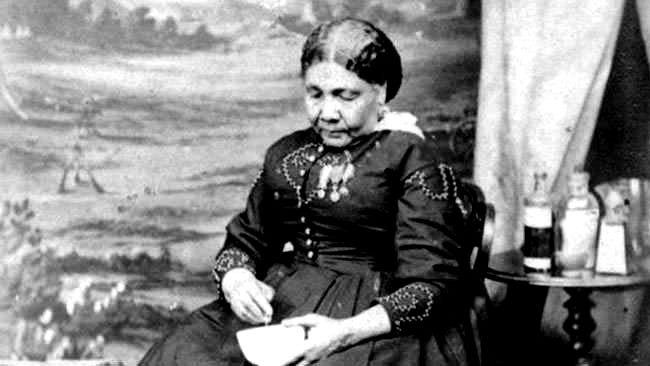
Mary Seacole’s story speaks directly to Britain’s self‑image. Born in Jamaica to a Jamaican mother and Scottish father, she drew on Caribbean and European medical traditions to nurse the sick. When official routes to serve in the Crimean War were closed to her, she refused to accept rejection as the final answer. She travelled at her own expense, set up the “British Hotel” near the front lines, and became beloved among soldiers for her practical care and courage. Today she is rightly remembered as a pioneering nurse and a woman who stepped into danger for the sake of others.
Then there are figures like Walter Tull, who overcame racism to become one of the first Black professional footballers, and later a British Army officer in the First World War, leading troops in a role that existing rules were designed to deny him. Nathaniel Wells, of mixed African and Welsh heritage, became a prominent landowner and local official in Wales, revealing the complicated ways race, wealth and power overlapped in Britain. John Edmonstone, once enslaved, later taught taxidermy in Scotland; one of his students, Charles Darwin, would go on to transform science.

The list is endless, John Blanke played the trumpet in the courts of Henry VII and Henry VIII, a visible Black presence in Tudor royal ceremonies. Ottobah Cugoano, captured and enslaved as a boy, became a fierce abolitionist whose writing helped sharpen the arguments against slavery. William Cuffay, of African and English descent, emerged as a Chartist leader, agitating for working‑class political rights and paying for that activism with exile. Sarah Forbes Bonetta, a West African princess sold into slavery and later taken into the household of Queen Victoria, stood at the very heart of Victorian respectability and empire, her life a striking example of how deeply entangled Britain was with Africa.
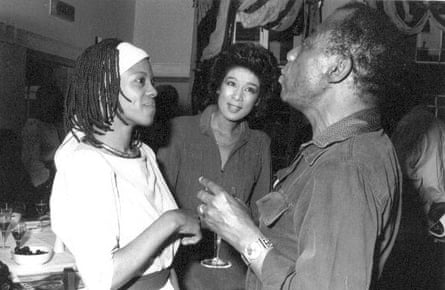
More recent contributors, particularly Black British women in culture and the arts, have continued this legacy in powerful ways. Margaret Busby, Britain’s first Black woman publisher, has spent decades opening doors in a historically closed industry, championing writers of African and Caribbean heritage and reshaping who gets to be seen and heard in literature. Claudia Jones, a journalist and activist, helped lay the foundations for what became Notting Hill Carnival, using culture and carnival arts to heal racial tensions and affirm Black joy in the wake of racist violence. Theatre director
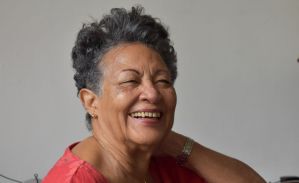
Yvonne Brewster co‑founded Talawa Theatre Company, creating space on the British stage for Black stories, Black casts and Black creative leadership at a time when mainstream theatre largely ignored them. Community organiser Olive Morris fought tirelessly for Black women, migrants and working‑class communities, linking struggles over housing, policing and racism in ways that still influence grassroots activism today. And in politics, Diane Abbott broke a monumental barrier as the first Black woman elected to Parliament, using her platform for decades to speak up on race, equality and public services while serving as a visible reminder that Black women belong at the very heart of British public life.
All these stories sit at the heart of British history: in its parliaments, its wars, its social movements, its scientific revolutions and its royal households. But our banknotes have not reflected that reality. Black figures do appear in public spaces, but it is often in the margins: a blue plaque here, a school project there, a mention in Black History Month.
That is why the move from human figures to wildlife raises an important, and very human, concern. It is not that wildlife does not deserve to be celebrated, it does. But if the roll call of people on our currency changes from “a narrow list of mostly white figures” to “no human figures at all,” without ever having included someone like Seacole, Equiano or Tull, then a powerful opportunity will have been missed.
Banknotes do practical work in the economy, but they also do quiet cultural work in our imaginations. Every time we pay for a bus fare, a loaf of bread or a theatre ticket, we are unconsciously reminded of who counts as central to the national story. For more than fifty years, that reminder has been exclusive in obvious ways and inclusive in only very limited ones. If we now celebrate the nation’s wildlife without ever having properly celebrated its Black citizens, what message does that send about whose contributions we are willing to add “currency” to?
What do you think? Comment here on our Instagram page