

House of Sisters Grimm is a purpose-built performance and cultural space created as a permanent London home for INALA. Founded by Ella Spira and her collaborators, the venue brings together live performance, visual art, design, and hospitality in an intimate setting that encourages close connection between audiences and artists. Developed through ongoing collaboration with South African creatives, the space reflects a commitment to cultural authenticity, refined presentation, and shared experience.
Ella Spira MBE is a Grammy-nominated composer, painter, and co-founder of Sisters Grimm. Passionate about cultural storytelling through the arts, she has dedicated her career to celebrating underrepresented cultures through immersive experiences.

In this conversation, Ella Spira discusses the inspiration behind House of Sisters Grimm, the decision to build the venue around INALA, the challenges of producing the project, and the importance of community, collaboration, and wellbeing. INALA is currently running at House of Sisters Grimm until April.
1. What first inspired you to create House of Sisters Grimm?
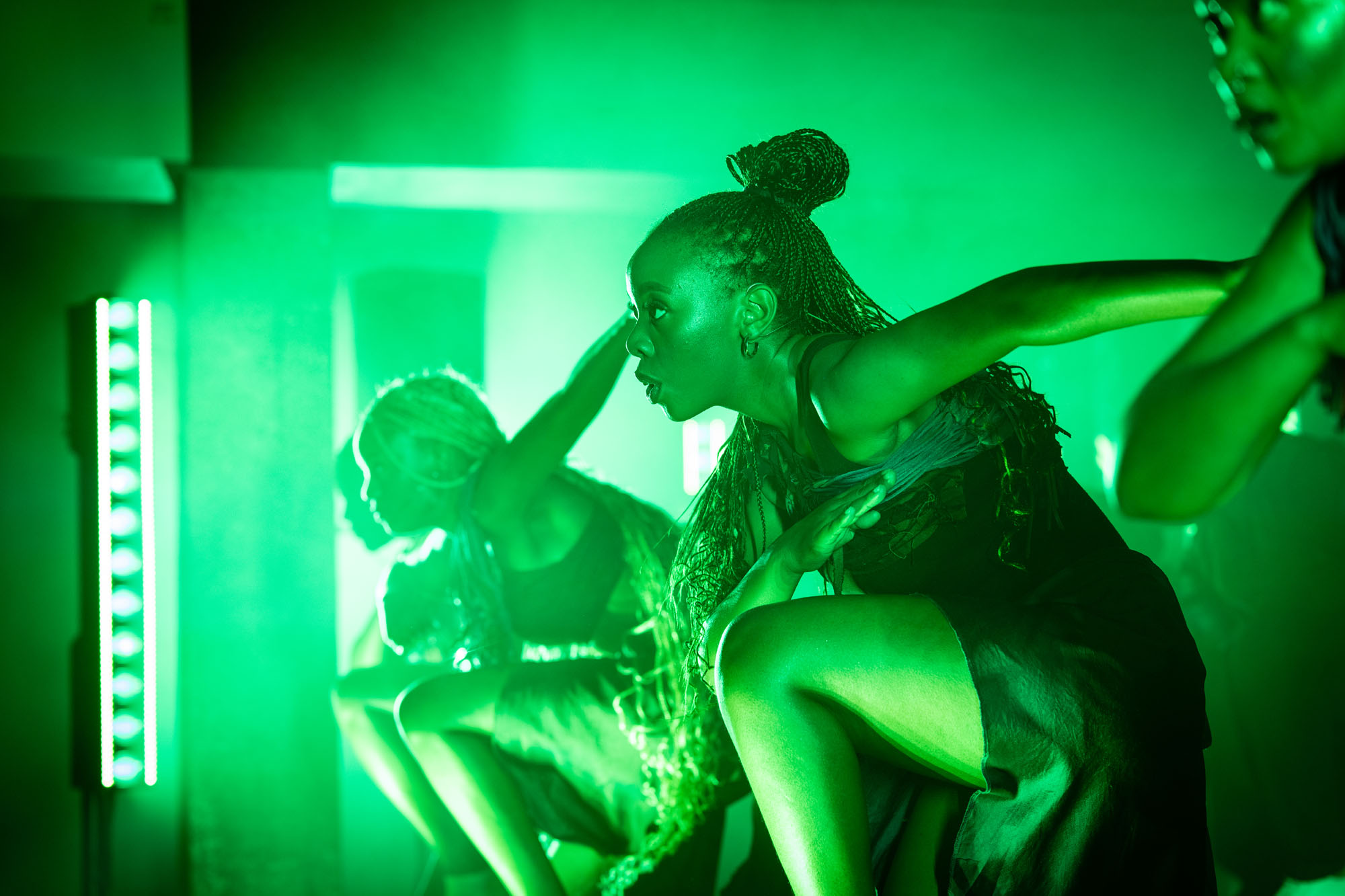
We wanted to create a unique space that celebrates the cultures we love and collaborate with in an innovative multi-sensory environment. It was important to us that the whole experience be refined and elegant, maintaining premium quality across every facet. The intimacy of the auditorium was deliberate, allowing audiences to get closer to the intensity of the emotions at the core of our creative process.
2. What do you hope people feel when they walk into the House for the first time?
We hope there is a sense of anticipation, sophistication and stimulation. As a team we make a considered effort to make everyone feel welcome.
3. Why was INALA the right show to build this space around?
INALA needed to come back to London, we have missed the show deeply and creating a stylised home for the production allowed us to continue our love affair with South Africa – from the paintings, wine and even the colour of the walls which was produced in collaboration with two local colour mixologists and me in Johannesburg.
4. What has been the biggest challenge for you as producer on this project?
The logistics of casting and then relocating all the performers from Soweto to London, in particular the visa process was a mountain we had to climb together. Also securing the planning permission for the venue was a new challenge that came with delays.
5. What has been the most joyful or surprising moment so far?
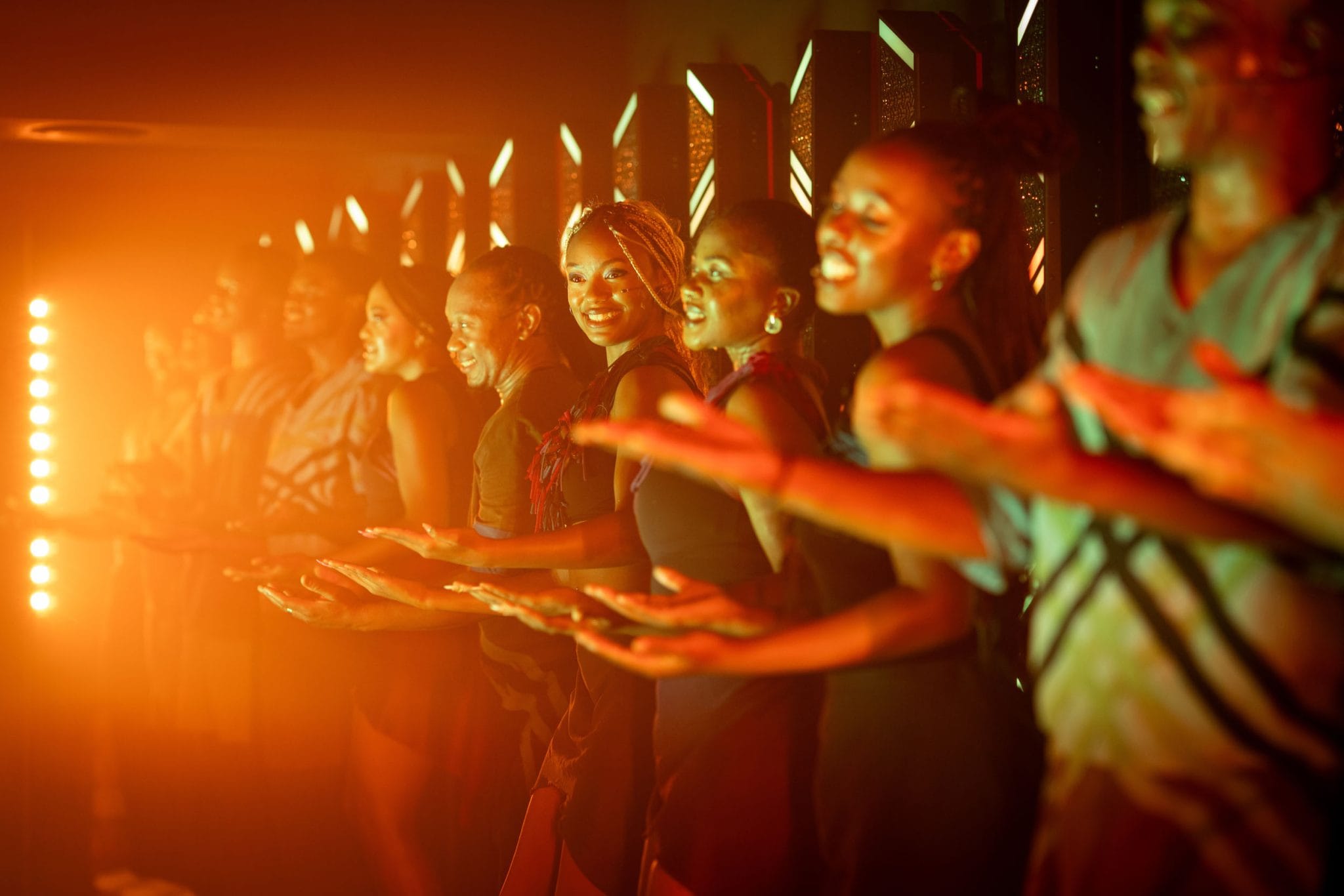
The most joyful moments for me personally are seeing the interactions between the performers and the audience. With it being such an intimate space there are immediate connections established between the two. I’ve felt emotional witnessing the continuation of that relationship between the artists and our ticket buying audiences post show at iGOLI, our exclusively South African fine wine bar.
6. How do you make sure the work here stays truly rooted in the cultures it celebrates?
We ensure authenticity through real, honest collaboration with a diverse collective of South Africans, each and every one experts in their field.

7. What inspires your art works?
My greatest inspiration is a desire to share and draw renewed attention to significant natural landmarks that gives greater context to the people I have grown to love and adore from the country over the years.
8. How are you building connections with local communities around the venue?
I believe the clarity of focus translates to building community. Leaning into every aspect being a celebration of one culture within a high art, dress to impress setting it feels we are creating a new way of presenting cultural work.
9. What do you do personally to look after your own wellbeing while producing such a big project?
In as much as is possible I try to keep to my piano practice of 1.5–2 hours per day and a gym session 5–7 days per week.
10. What advice would you give to young people who want to become producers or create work like this?
Ask for help and advice, be careful, try not to have too many cooks and be authentic.
11. In ten years’ time, what would you love people to say about House of Sisters Grimm?
I would love to have created a sense of home for people alongside lifelong memories. We want our community we are building to know they can give themselves permission to feel and emote in a way we ordinarily don’t allow ourselves to.
In my mind that’s what true art is there for.