

“Being part of such an iconic story that honors African heritage is a profound honor. Portraying Amara allows me to connect with my roots while contributing to a story that resonates with audiences worldwide. Fọlákẹ́ Olówófôyekù.

Award-winning Nigerian actress Fọlákẹ́ Olówófôyekù, best known for her role on CBS’s Bob Hearts Abishola, stars as “Amara” in Disney’s highly anticipated film Mufasa: The Lion King, directed by Academy Award winner Barry Jenkins. The film, opening in cinemas today December 20, 2024, explores the untold origin story of Mufasa, offering a powerful new chapter in the beloved Lion King universe.
Olówófôyekù joins an all-star cast, including Brit Aaron Pierre as Mufasa, Kelvin Harrison Jr. as Taka, Seth Rogen as Pumbaa, Billy Eichner as Timon, John Kani as Rafiki, Blue Ivy Carter as Kiara, and Beyoncé Knowles-Carter as Nala. An epic magical tale, a story of identity, heritage, and resilience.

Olówófôyekù used her authentic Nigerian accent while portraying Amara, emphasizing the film’s commitment to cultural authenticity and representation.
Her involvement bridges the gap between Nigeria’s thriving film industry (Nollywood) and Hollywood, creating opportunities for cultural representation and collaboration.
As the entertainment industry continues to embrace diversity, Olówófôyekù’s portrayal of Amara exemplifies the power of inclusive storytelling. Audiences can experience the magic of Mufasa: The Lion King when it premieres December 20, 2024, in cinemas worldwide.
Born and raised in Nigeria, Fọlákẹ́ Olówófôyekù actress and musician is celebrated for her performances across film, television, and music. Known for her breakout role on Bob Hearts Abishola, she is dedicated to championing authentic African representation in the entertainment industry. On the cusp of Mufasa: The Lion King’s global release ALT’s Editor Joy Coker caught up with Olówófôyekù to talk about the authenticity of AMARA, her love affair with music, Olówófôyekù’s latest single “Bobble” a feel-good Afro-Beats rhythm and eclectic, with highlife-inspired guitar riffs is available now. Talking about food the actress commented on being “perpetually in an Amala and Ewedu state of mind”. Amala and Ewedu are two very popular Nigerian dishes and being “a better musician” because of her “acting experience”.
ALT: What did it feel like to be the first Nigerian to play a Nigerian on primetime TV in CBS’s Bob Hearts Abishola?
It was an incredible honour and responsibility. Being the first Nigerian to authentically represent my culture on primetime TV meant bringing visibility to the richness and complexity of Nigerian identities.
ALT: What did you think you brought to that role in terms of authenticity?
I brought my lived experience, language, and cultural nuances. My goal was to make sure mannerism, and interaction felt true to the Nigerian experience.
ALT: Is there still a void when it comes to understanding African culture in the USA?
Absolutely. While strides have been made, there’s still much work to be done in demystifying African culture and showcasing its diversity rather than reducing it to stereotypes.
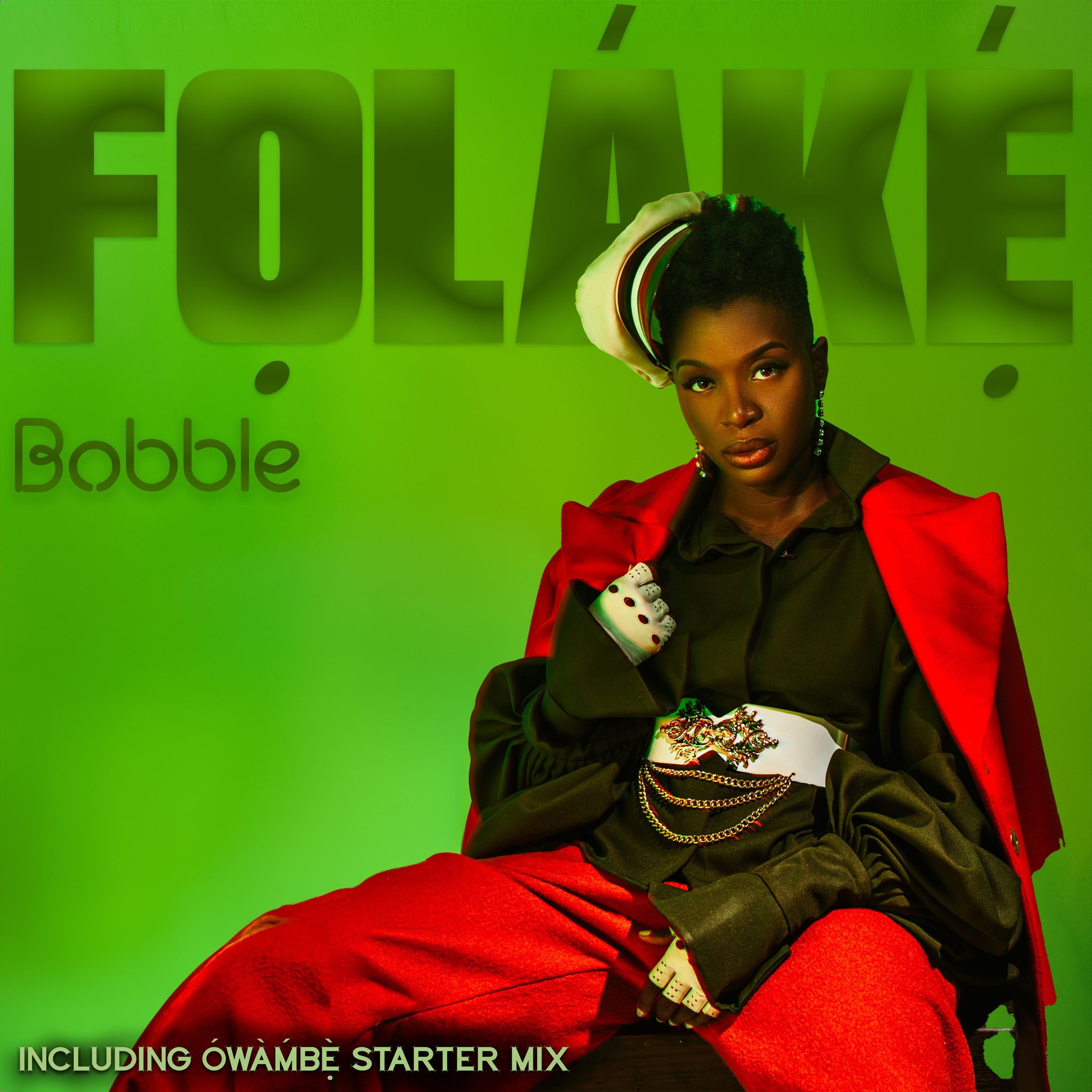
ALT: You have recently released Afrobeat sing Bobble, talk on music being your first love; is it easy to navigate between the two?
Music has always been my first love but acting has deepened my creative expression. I’m a better musician because of my acting experience. Similarly, music enhances my acting. Both art forms feed into each other, making me a more well-rounded artist. It’s not always easy to navigate between the two, but the creative synergy is worth the challenge.
ALT: When you win or are nominated for an award, how does that change your career?
Awards bring visibility and validate the work, but they also come with the pressure to maintain excellence. It’s a moment to celebrate but also an incentive to keep pushing boundaries.
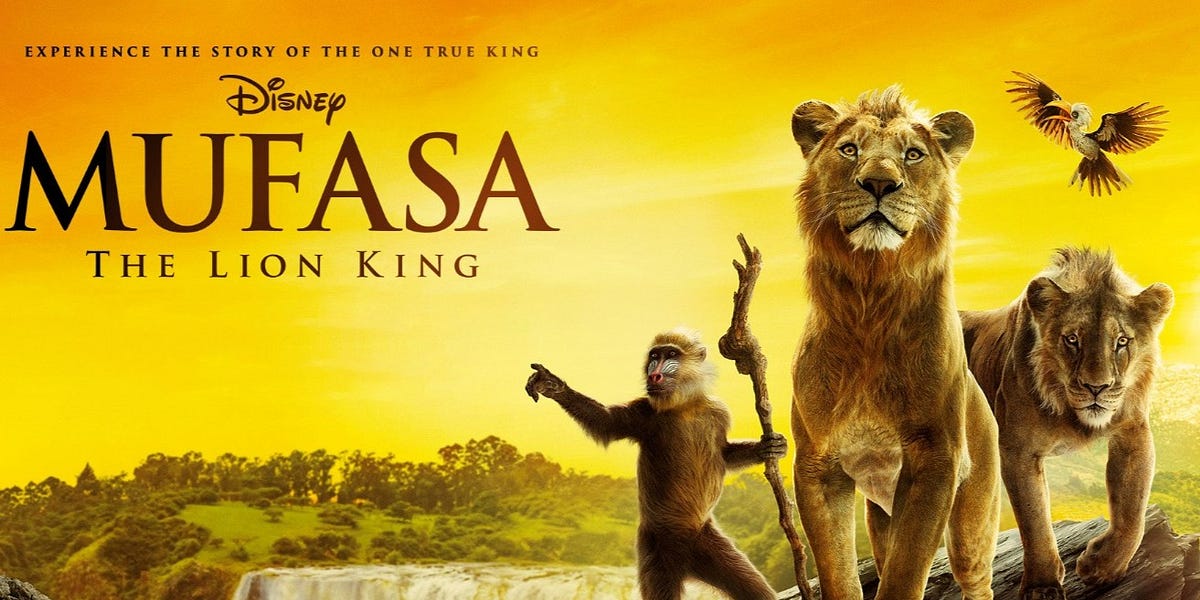
ALT: Voicing Amara in Mufasa: The Lion King using your own accent, what did it mean to you?
It was deeply meaningful. Using my authentic accent celebrated my heritage and showed that African voices belong at the forefront of global narratives.

ALT: Do you celebrate Christmas, and if so, what dish would you not be without on the table?
I loosely celebrate Christmas. I am perpetually in an Amala and Ewedu state of mind.
ALT: What was it like working with Barry Jenkins as Director?

Barry Jenkins’ attention to detail and collaborative approach made the experience joyful, inspiring and memorable.
ALT: We lost James Earl Jones this year; what do you think his legacy is regarding The Lion King and beyond?

His voice was iconic and set a standard for storytelling. His legacy is one of excellence, power, and timeless artistry.
ALT: Did you get to work with other members of the Mufasa cast? If so, what was that like?
No, we didn’t get to work together due to the secrecy around the project. Everything was done in isolation to preserve the magic and mystery, which made the premiere even more exciting.

ALT: As an actor, what is the most challenging thing when doing voiceovers?
I don’t find voiceovers challenging; it’s about the joy of being animated and melodramatic. You get to let loose and have fun with the character, which is why I love the medium so much.
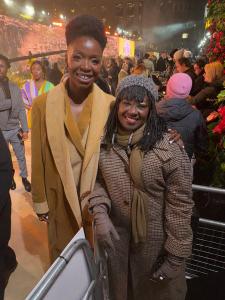
ALT: Do you have any favourite songs on the soundtrack, and are you a fan of musicals?
My favourite song on the soundtrack is one that I’m featured in called Bye-Bye. I also love I Always Wanted A Brother. Yes, I’m a huge fan of musicals; I’ve been immersed in them since childhood. The Sound of Music was my earliest favourite, and I also adore Hair and Cabaret. In fact, I once portrayed Sally Bowles on stage, which was an unforgettable experience.
.
ALT: What did you feel when seeing it on the big screen for the premiere, and what are you working on next?

It was surreal and humbling. Next, I’m focusing on a blend of music and acting projects, including new singles, television and film.
ALT: What do you miss most about Nigeria when living in London or New York, and where do you call home?
I miss the climate, the food, and the sense of community. Home is wherever my spirit feels at peace, Bali, Nigeria, London, or New York., Mufasa: The Lion King is available exclusively in theaters. The film officially hits the big screen on Friday, December 20, 2024.
Amara means “assistance,” “aid,” “help,” or “urgent business” in Swahili.
Follow @TheFolake/ @alt_africa_
Support indie media share this post.