

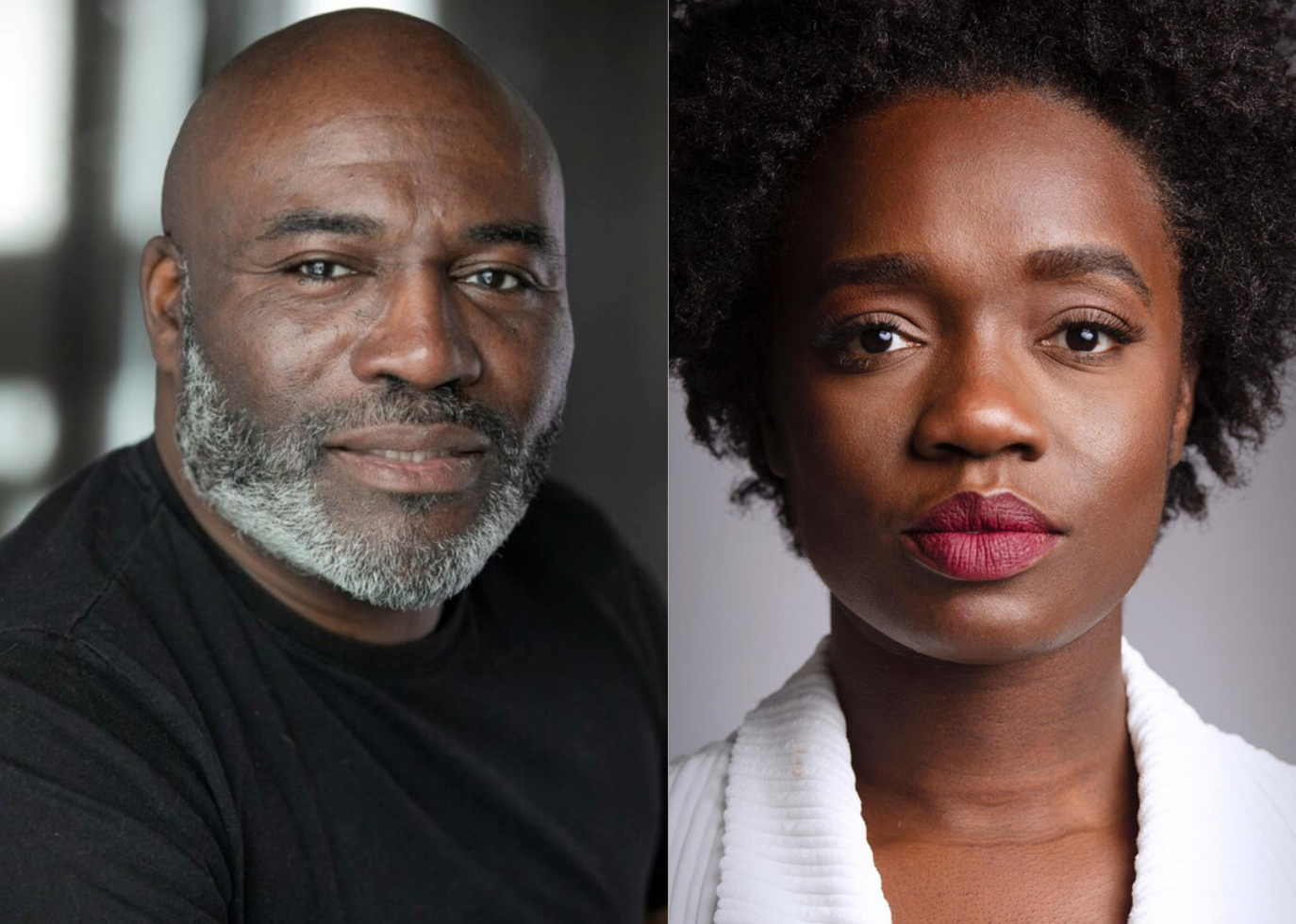
Actors McCallam Connell and Madeline Appiah discuss their roles in *The Boy Who Harnessed the Wind*, exploring the emotional depth of their characters and the real-life story behind the production. They reflect on themes of family, resilience, African storytelling traditions, and the importance of portraying joy alongside hardship. Directed by Lynette Linton the actors talk on the trust and protective shield she puts around the creatives and the responsibility of bringing a true story to the stage today. Appiah plays Agnes and Connell plays Chief Wimbe.
*The Boy Who Harnessed the Wind*, runs until at The Swan Theatre (RSC) until 28th March. It will open at Sohoplace in London’s west end from 29th April – 18th July Book tickets
All photography Tyler Fayose courtesy of RSC and Sohoplace
Appiah’s credits include
Theatre includes: The Winter’s Tale, Macbeth, The Merchant of Venice, The Taming of the Shrew (RSC); Cymbeline (The Globe); Kerry Jackson, Macbeth, Romeo and Juliet, Here We Go; Welcome to Thebes (National Theatre); Tina Turner The Musical (Aldwych); Hamlet (Harold Pinter Theatre); The Hotel Cerise (Theatre Royal Stratford); Iyalode of Eti (Utopia Theatre/Rich Mix/Arcola); In The Next Room or The Vibrator Play (St James Theatre); The Duchess of Malfi (Old Vic); Speechless (Shared Experience); Off the Endz (Royal Court); Mother Goose (Greenwich Theatre); It Felt Empty When the Heart Went at First… (Arcola/Clean Break); Arabian Nights (New Vic); Dionysis Unbound (Bridewell Theatre); 200 Years, Cinderella (Watford Palace); The Wedding Dance (Birmingham Rep/Tour); Restoration (Oxford Stage Company); I Have Before Me… (Calypso); Brezhnev’s Children (BAC); Ms Ross: The Lady and Her Music (Neptune Theatre).
TV and Film include: Death in Paradise (BBC), Blood of My Blood (Starz/Sony), Black Mirror (Netflix), Jungle (Amazon Prime), The Box, In the Long Run (Sky), Elephant, King for a Term (Sky), Partners in Crime (BBC), Doctors (BBC), Gavin and Stacey (BBC), EastEnders (BBC), The Bill (ITV), Holby City (BBC)

McCallam is a London-based actor, singer, and writer whose stage career spans classical drama, new writing, and musical theatre. His recent appearance in Boubil & Schönberg’s Martin Guerre produced by The Old Vic, follows on from notable performances in The Colour Purple (UK Tour), Playboy of the West Indies (Birmingham Rep), and Small Island at The National Theatre).
Alongside his theatre work, McCallam is a platinum-accredited recording artist and songwriter whose collaborations include Grammy Award–winning writers, producers and artists, most notable Tina Turner.
ALT A: So, let’s first talk about Agnes. Can you tell us a little bit about this character and how you, as Madeline, might resonate with her? What are the traits that you and she might have in common?
Madeline: Okay, so our first commonality is that we are both mothers, we are both African, and we love our families.
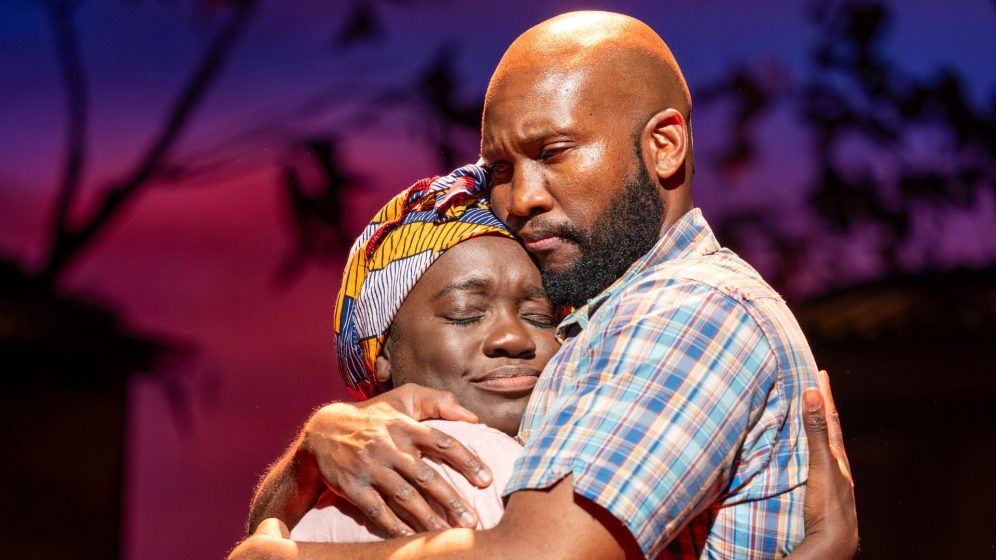
Agnes, the character Richie has created and based on the real Agnes, loves her family, has hope, and has drive. She’s the glue that holds them together. She’s the one who keeps them moving forward, pushing through, and still finds time to crack a joke and keep everyone on track.
She’s just a wonderful, wonderful character, and it’s a complete honour to be playing her, knowing she really exists and is the mother of the real William Kamkwamba.
ALT A: We’ll definitely get into that. McCallam?
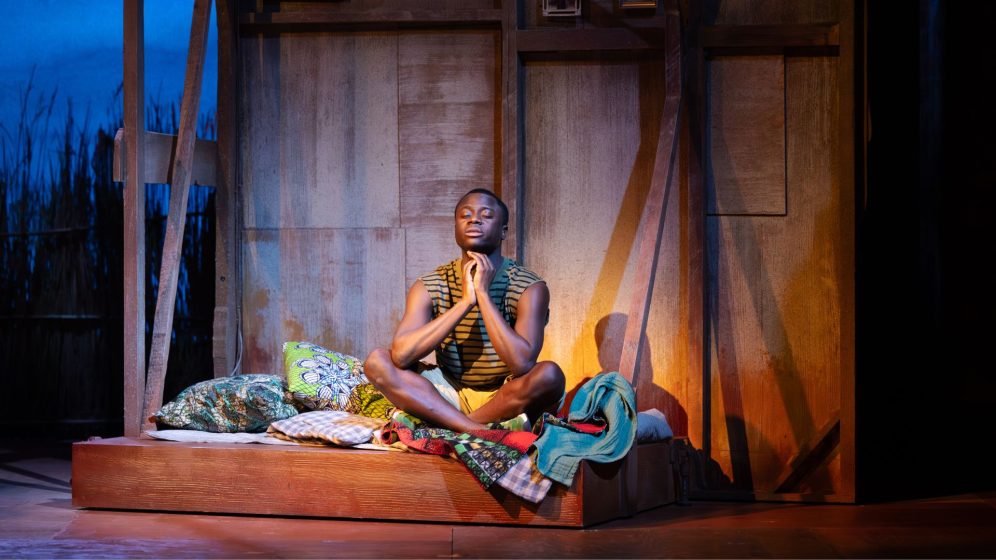
McCallam: Chief Wimbe. Believe it or not, there are quite a few similarities, apart from the fact that I’m not the head of an 11,000-person village. But we both have one son. He loves his son dearly and definitely wants his son to do well in life. And I’m exactly the same about my son. My son came on press night, and I hadn’t told him that they were going to kill me off, spoiler alert. So, he saw that, and he was quite shocked. He said, “You could have prepped me, Dad.” So, he went through the same experience as Gilbert (Idriss Kargbo)did during the show. So we have a lot in common, me and Chief.
The other thing we have in common is that I am known for the odd saying. My dad, he always had lots of sayings, and I kind of inherited that a little bit. I do have the odd wise saying, just like Chief does. But I think the other thing I would say about Chief, which I’m really glad to be playing, is that he’s a really courageous and well-loved man, with a really warm heart, like the warm heart of Africa.
ALT A: Obviously, in this production there’s a lot of singing and dancing. As actors, how do you approach a role like that, and what are some of the challenges and the joys?
McCallam: For me, I think it’s really underestimated how much of an athlete you have to be. Fitness is so important. For instance, we go to the marketplace, and in the marketplace there’s this dance routine where you’re singing, and you still have to be able to sing and do all of that. I think approaching it, one of the things I love about it, especially as a man of my age and that it keeps me getting fitter. I’m very proud of the fact that at my age I can still do the things that I do. So approaching the role from a physical fitness perspective makes me very, very happy.

Madeline: The great thing about this piece, and the way Shelley Maxwell has designed the choreography, is that we bring ourselves to it. So we have the moves, and we make them essentially ours. So it’s quite refreshing not to feel that we have to be dancers. It’s Madeline, it’s McCallam, doing the moves as our characters would do them. So that’s very liberating, first of all.
And then from the singing perspective, acting through song is something I really enjoy, and I’m enjoying the opportunity to do it more and more.
Whereas I feel like McCallam, when I listen to you sing, and I know your background you are a beautiful singer. So for me, the singing is also something where I bring myself to it, and I use my storytelling to convey the song. And I’ve been enjoying that. Again, Tim has written music that is very character-led, so you get to make choices and not just make a sound. And that’s been really exciting and encouraging for me as an artist, going, oh, this is nice, when the two can come together and we can make sounds that suit our voices.
McCallam: I think that’s probably the ethos of the whole show and the whole process. In most musicals, you are given a libretto and a score, and you go, right, okay, sing every note that’s on that.
Madeline: That’s exactly it, you know what I mean?
McCallam: And say every word that’s written. That’s what you’ve got to work with. But in this process, and with it being a new musical as well, I think it’s really important that we’re all discovering the work together. So we’re as much changing the work as the work is changing us, if that makes sense. It’s a very organic, flexible, and intuitive process.
ALT A: Talking on that obviously it was a memoir that became a film. Why do you think it works as a musical?
Madeline: That’s a good question. I think it works because it has that basic drive for perseverance, hope, and overcoming adversity. And I think, especially in this day and age, we need those stories. We need to see that even in the worst situations, something incredible can happen.
It doesn’t always happen that way, but the fact that it did, that this boy in Malawi did something for his whole village and is now going on to do incredible things. I think that’s why it works. We’re drawn to stories of perseverance and overcoming, aren’t we?
McCallam: I agree. I think with a musical, there have to be moments that make you want to sing. So the emotion is internal, but it’s expressed in song. And there are so many moments in William’s life where that happens. Some are very harrowing, and they bring a different kind of song, something darker, more internal.
And then there are moments of absolute joy, where he’s creating or battling disbelief. Those are amazing moments for song and movement.
Madeline: And also, in African culture, song is very integral. You sing when you’re happy, when you’re sad, when you’re doing chores you break into dance.
It’s in us. Storytelling is also part of our culture, passed down through generations. So it completely fits the culture we’re trying to bring to the world. Its part and parcel of how we exist as a community. sing, dance and storytelling.
ALT A: Let’s talk about working with Lynette Linton what is that like
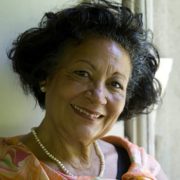
Madeline: Lynette is our captain. She’s extraordinary. She leads with compassion and openness. She creates a space where people want to bring their best work. She’s collaborative, clear, and genuinely cares about her team. She practises what she preaches.
McCallam: The word that sums her up for me is courageous. She trusts what she knows, and she trusts us.
Madeline: And this is a new musical and her first at the Royal Shakespeare Company. That takes courage. She’s created something beautiful with such grace.
McCallam: And she protects us as creatives from everything else going on, so we can focus on the work. That’s something I really admire.
ALT A: We’re living in a very politicised time. How important is it to tell stories like this now?
Madeline: It’s very important. Black joy is important right now. Yes, there is hardship, famine, and struggle but there is also joy, hope, and laughter. We need to see people coming out of hardship, not just staying in it. More famine more murders? Why. I don’t read a lot of reviews but one did come more way. Why associate Africa with suffering and pain? Why can’t we have stories of Black joy? People do need to come to the theatre for joy.
McCallam: She said it al. Joy comes from simple things. William’s story shows that. Despite everything, our cultures have created joy for generations. We make such joyful noises on the planet, and everyone comes to us for joy. And in the West where we have everything there is not a lot of joy.
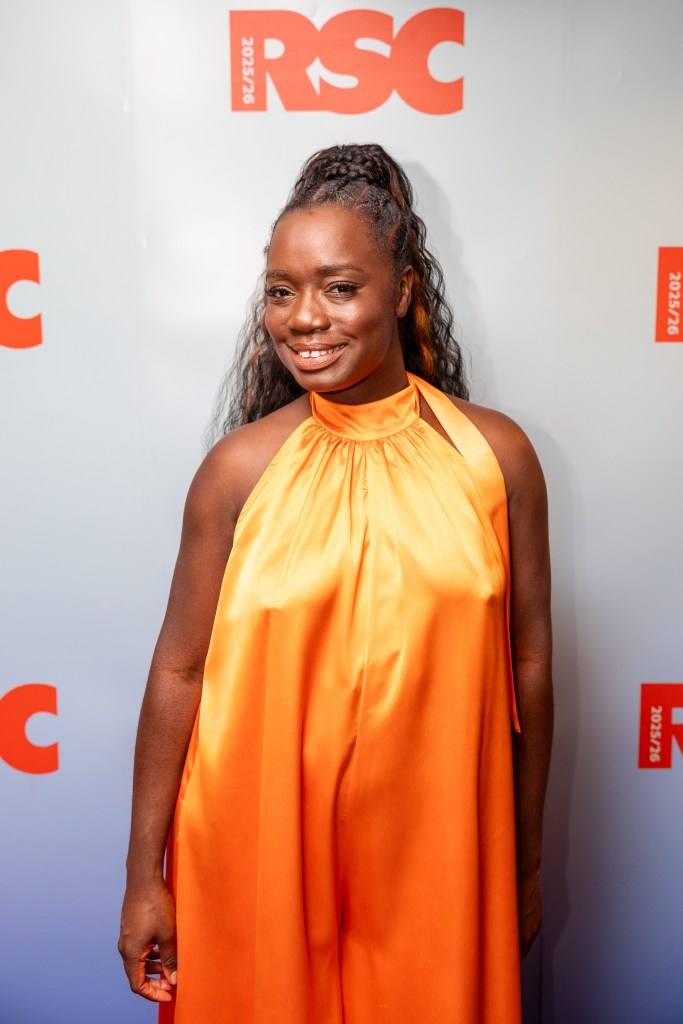
ALT A: You met the real William. What was that like?
McCallam: His humility struck me. Despite everything he’s achieved, he’s grounded. He described Chief as “precious, warm, courageous,” and I carried that with me.
Madeline: It was an honour, but also a responsibility.
There are joy and pain in the story, and knowing he approves means everything.
ALT A: Final question sum up the play in two words?
Madeline: Joyful. Perseverance. Resilient. Wonderful. Four words.
ALT A: Thank you both so much.
The Boy Who Harnessed the Wind is a bold and uplifting new musical telling the true story of William Kamkwamba. Based on his memoir and Chiwetel Ejiofor’s film, this world premiere is directed by Lynette Linton (Alterations, Shifters), formerly Artistic Director of the Bush Theatre, with book and lyrics by Richy Hughes (Southwark Playhouse Superhero) and music and lyrics by Tim Sutton (Restless Natives, RSC The Merry Wives of Windsor).
Win Tickets: Email Jamine here editor.pa@alt-africa.com Email title: WIN TBWHTW and answer this question: Name the Director of The Boy who Harnessed The Wind. Deadline 20th April 2026.