




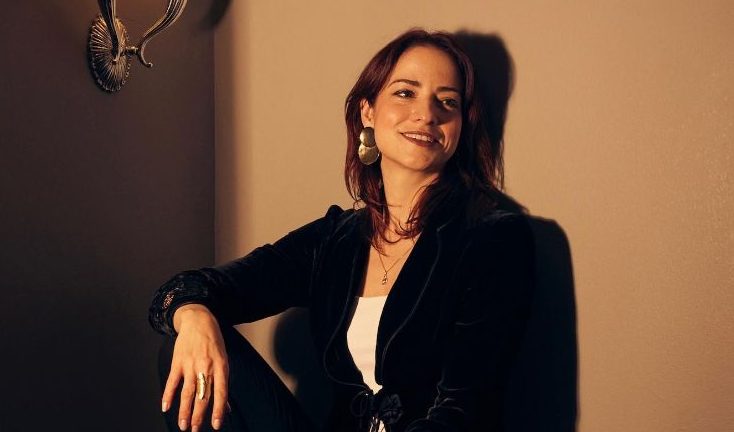
As Co-Founder and Executive Producer of Sisters Grimm and INALA, Pietra Mello-Pittman MBE has nurtured the production from its earliest spark of inspiration to its permanent West End home. In this conversation, she reflects on the journey behind INALA, the cultural heartbeat of the work, and the enduring impact it continues to have on audiences and performers alike.
1. What does the show mean to you personally?
INALA represents almost two decades of belief, work, and shared courage. From the very beginning in 2009, when Ella first took me to see Ladysmith Black Mambazo with the dream of writing music with Joseph Shabalala, we believed this could become something truly transformative. We raised every penny, built the team from the ground up, and produced the show entirely ourselves, from casting and creative appointments to touring, contracting, and now running our own West End venue.
Personally, I’ve had the privilege of witnessing the heartbeat of INALA being created from nothing: Ella writing on her manuscript paper, and Joseph recording lyrics into his Dictaphone in South Africa in 2010, through to the world premiere in 2014, and now hearing the music every night in our own permanent home. It’s incredibly emotional. The music still gives me joy and moves me deeply every time I hear it.
Now, after the pause of the pandemic, having audiences come up to me nightly to say they felt safe enough to release deep emotion, that they were moved or changed, is profoundly humbling. INALA represents resilience, hope, togetherness, and the quiet power of staying the course. I hope I never stop hearing it.
2. INALA is rooted in South African music and movement. What parts of the story or culture resonate with you most?
What resonates most is the universality. The music, lyrics, and movement speak to home, belonging, relationships, grief, joy, jealousy, love, and loss — experiences everyone recognises, regardless of language.
The song Usizi is a perfect example. When Joseph explained its meaning, it translated to grief, but more deeply it’s about perseverance: keeping going when life is hard, trusting that each new day brings possibility, and leaning on the people around you. That sense of community, of belonging where your people are, is what stays with me most strongly.

3. Are there particular scenes or songs you enjoy most?
I love watching the show and, truly, every song is a hit. The audience responds instinctively; the energy is electric. The interludes are beautifully theatrical and poetic, and I often find myself unable to sit still. Usizi always moves me. It’s a moment of collective empathy, where you witness pain held and supported by community. I find it almost impossible not to cry.
4. What can audiences unfamiliar with South African culture take away from the show?
They leave with a deep emotional understanding, even without knowing the language. The harmonies and rhythms allow you to feel joy, tenderness, and connection instinctively.

The wider experience at House of Sisters Grimm reinforces this. From the soundscape, to Ella’s landscape paintings created across South Africa, to the stories behind the wines in our exclusively South African fine wine bar, everything is rooted in place, land, and human connection. It invites curiosity, empathy, and a real desire to experience South Africa first-hand or at least to feel closer to it.
5. The choreography blends traditional and contemporary styles. What stands out to you?
What’s remarkable is how authentic joy and cultural integrity are held alongside the precision expected of a West End production. Mark Baldwin’s choreography creates a shared language that honours tradition while feeling contemporary and expansive.
Everyone on stage is a star. The movement is inspired by nature, rhythm, and the lyrics, and it allows individuality within unity, which mirrors the spirit of the show itself.
6. What does a typical show day look like for you now?
Running our own venue means we oversee everything: bar, box office, front of house, lighting, red-carpet arrivals, costumes, marketing, and audience experience. We perform up to nine shows a week, so every day involves learning, adapting, and refining.
We also track how audiences are finding us, because ticket sales directly sustain the work and allow us to keep INALA in residence. The day ends only once the last guest has left and the venue is secure. It’s far more involved than touring into someone else’s space, but also far more rewarding.
7. How do you support the cast emotionally when the material is demanding?
From a leadership perspective, we operate with openness and care. Our door is always open. No issue is too small or too big to bring to us. The show can be emotionally and physically intense, and everyone still has a job to do. That’s why it’s vital we look after one another behind the scenes, so the audience’s experience is protected. We really do function as a family.


8. How do shows like INALA contribute to conversations about diversity on stage?
Representation matters. Since 2014, INALA has been recognised for what it brings to the stage and who it places at the centre of the story. You cannot be what you cannot see.
Every performer in INALA is of the highest global calibre. Providing platforms like this helps rebalance historic under-representation and broadens what audiences understand excellence to look and sound like.
9. What advice would you give to young performers?
Use every tool available to you. Immerse yourself in multiple styles, learn from artists who inspire you, and understand that no one’s path is easy. Respect those who came before you. Seek out excellent teachers and mentors.
Be hungry, be humble, and surround yourself with constructive voices. Ignore negativity that doesn’t serve your growth. Keep moving forward.
10. What does INALA mean?
INALA means “an abundance of goodwill,” or “to harvest” to reap what you sow.
11. If audiences leave with one feeling, what would you hope it is?
That they feel lighter and happier than when they arrived. That they’ve shared something profound that transcends language, and that they feel closer to other people.
We have far more in common than we often realise.
12. What are the plans beyond April?
We want INALA to keep rolling. Our aim is to go on sale for the rest of the year and into the New Year, while expanding our impact and education programmes so even more people can experience the work.