


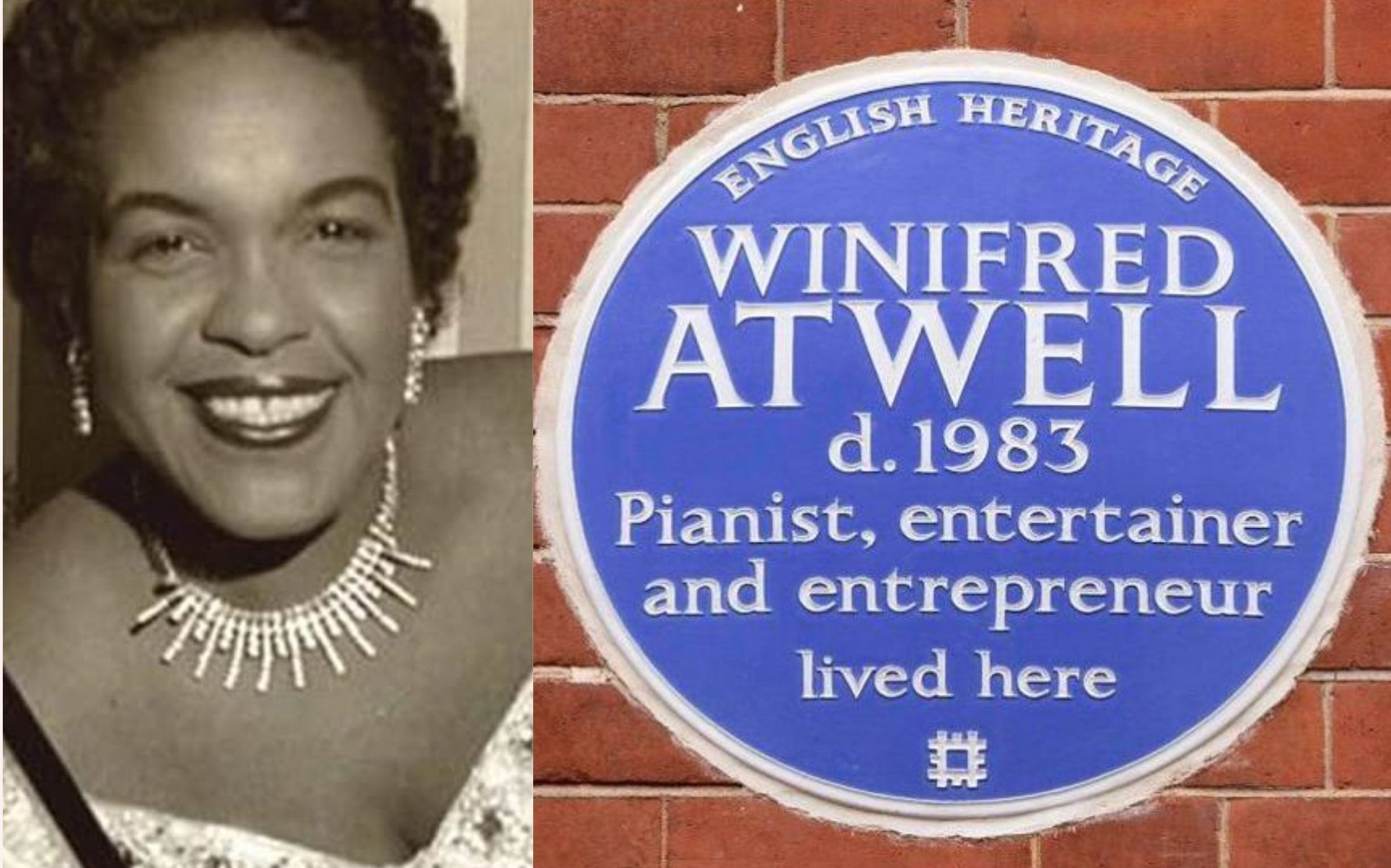
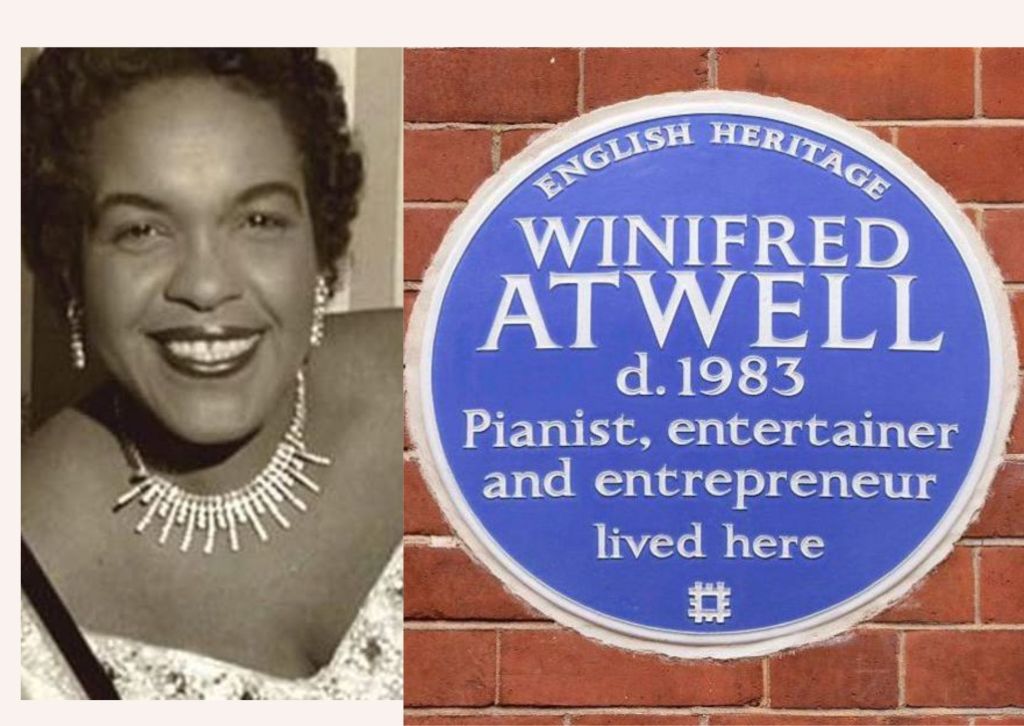
Winifred Atwell (1914–1983)
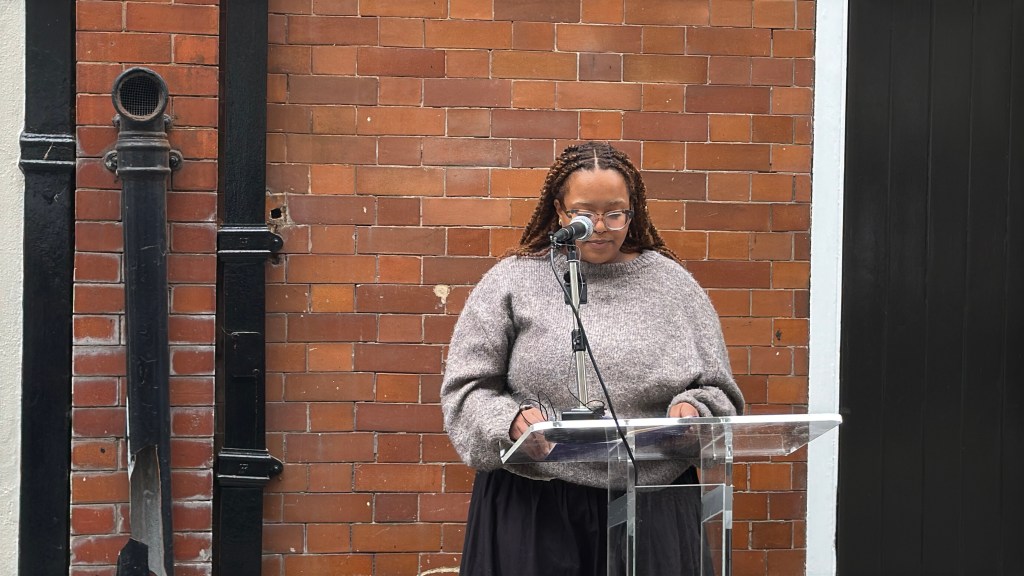
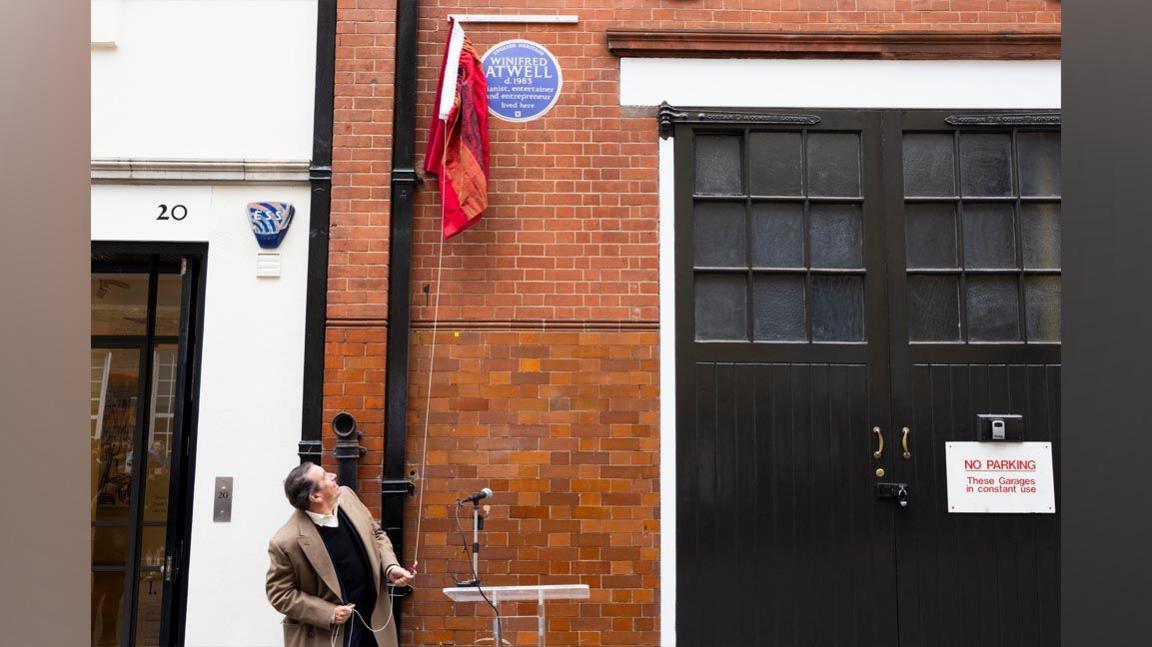
Yesterday, (1st October 2025) a plaque was unveiled in Mayfair to celebrate the extraordinary life of Winifred Atwell (1914–1983) – the first Black artist to top the UK pop charts and one of the most successful female instrumentalists in British history. The event was hosted by Yolanda Brown marked by speeches from iconic contributors to British music like Orphy Robinson MBE, Leee John and Jools Holland MBE, alongside Sir Richard Stilgoe, Stephen Bourne, The Halo Collective, Chantal Mayo-Hollaway, the Voices Project. In attendance also was Margaret Busby.
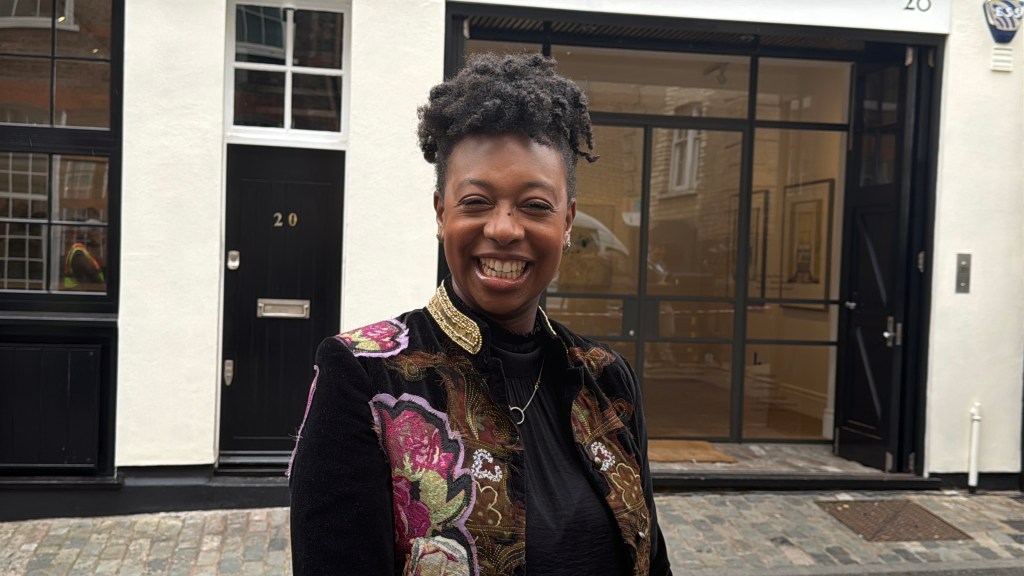
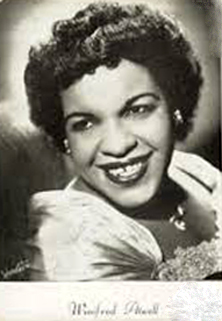
Winifred Atwell, pianist and entertainer, was born in Tunapuna, near Port of Spain, Trinidad. She was the only child of a chemist and a district nurse. She began playing piano at the age of four and was performing Chopin at charity concerts while still a child. Her father encouraged her to qualify in pharmacy, but she continued performing in her spare time.
During the Second World War she played at the Services Club in Trinidad, before moving to New York to study with pianist Alexander Borovsky.
In 1946 she came to Britain to study at the Royal Academy of Music, aiming for a classical career. To support herself she played piano in clubs and dance halls.
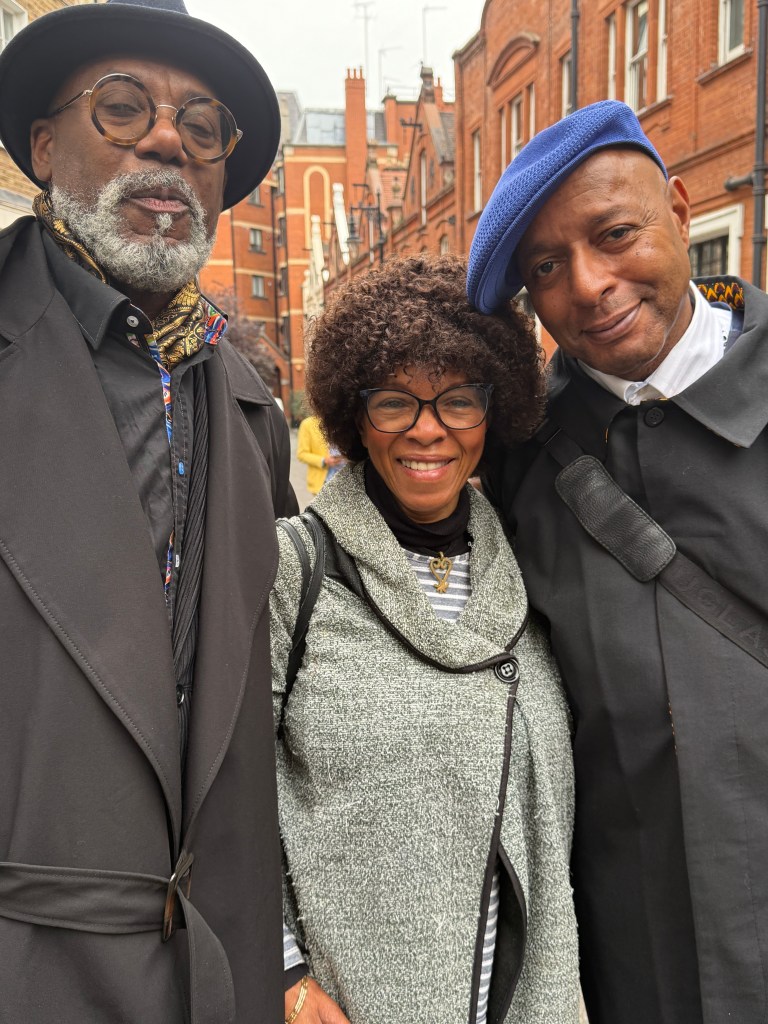
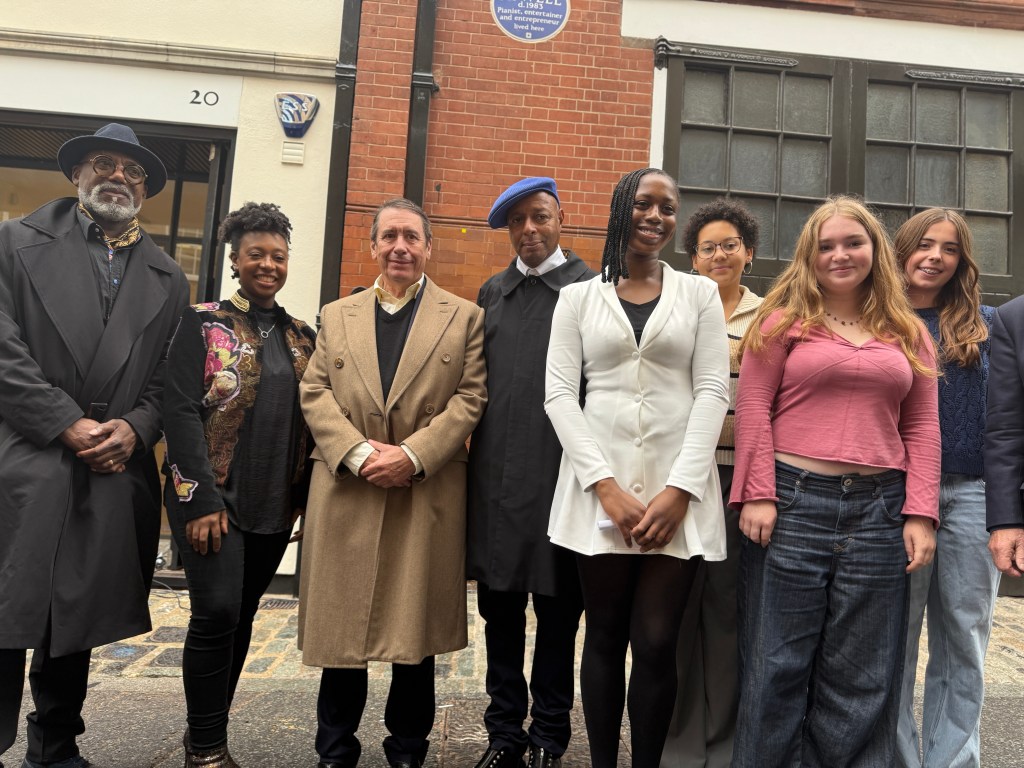
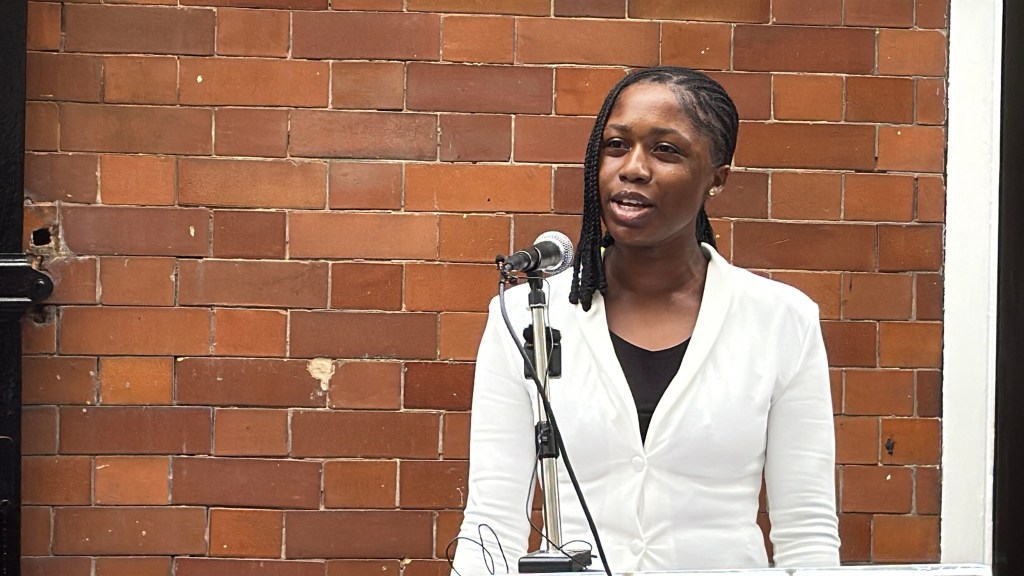
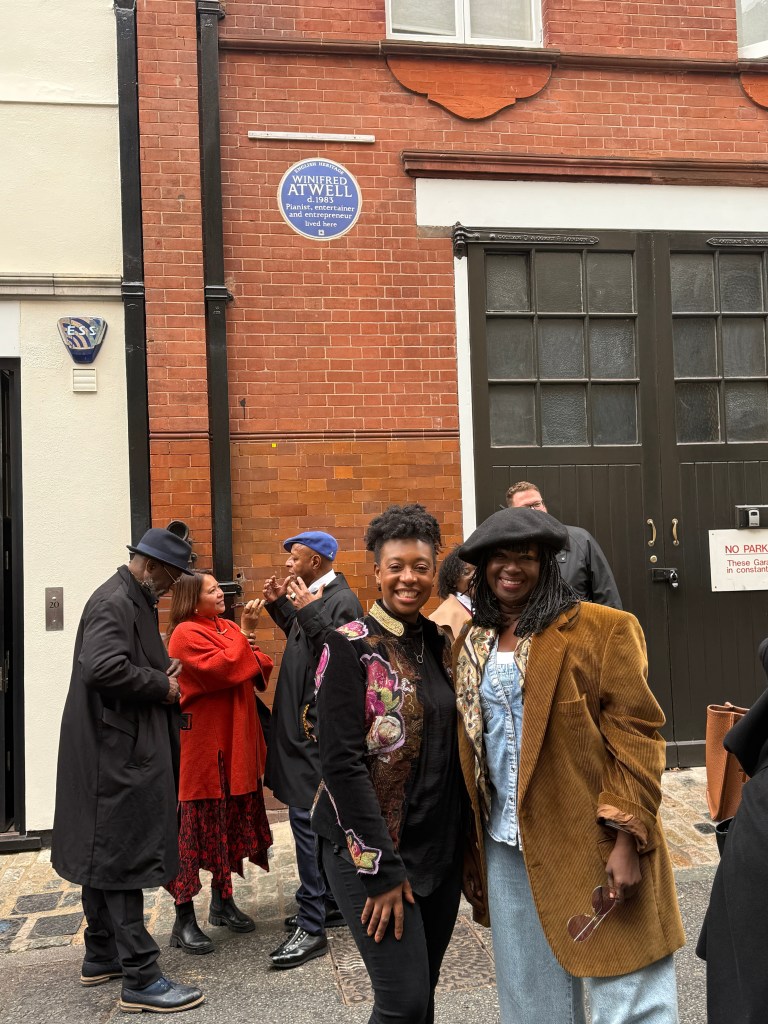
Yolanda Brown and ALT’s Editor Joy.
In 1947 she married Lew Levisohn, a former variety performer who became her manager. With his encouragement she turned towards ragtime and light music, which would bring her national fame.

Her breakthrough came in 1948 at a London Casino charity concert, where her ragtime performance won over the audience. She signed to Decca in 1951 and the following year appeared at the Royal Variety Performance, closing with her self-composed Britannia Rag, later a chart hit.
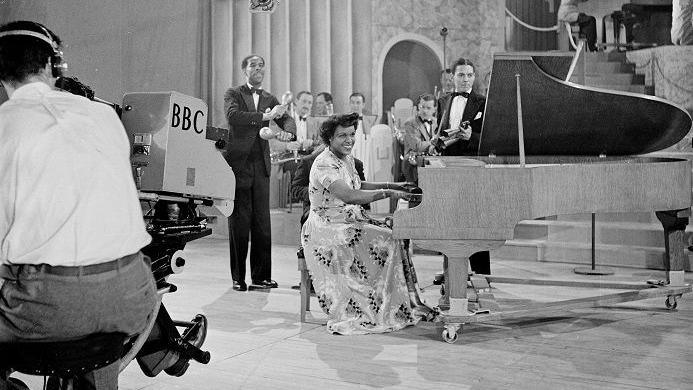
Atwell became a household name in Britain. Her records were hugely popular in post-war homes, and in 1954 she became the first Black artist to top the UK pop charts with Let’s Have Another Party. She was also the first British recording artist to achieve three separate million-selling singles.
Between 1952 and 1960 she had eleven Top Ten hits, and by the end of the century remained the most successful female instrumentalist in British chart history. At the height of her career, her hands were insured for £40,000 and her fan club counted more than 50,000 members.
Although most associated with ragtime, Atwell retained ambitions in classical music. Her 1954 recording of the eighteenth variation of Rachmaninov’s Rhapsody on a Theme of Paganini reached the charts, and in the same year she performed at the Royal Albert Hall with the London Philharmonic Orchestra. However, the rise of rock and roll in the late 1950s marked the decline of her recording career.

Her international popularity endured. An Australian tour in 1958–59 lasted over a year, and she later settled permanently in Australia with her husband. After his death in 1978 she became an Australian citizen. Winifred Atwell died of a heart attack in Sydney on 27 February 1983.
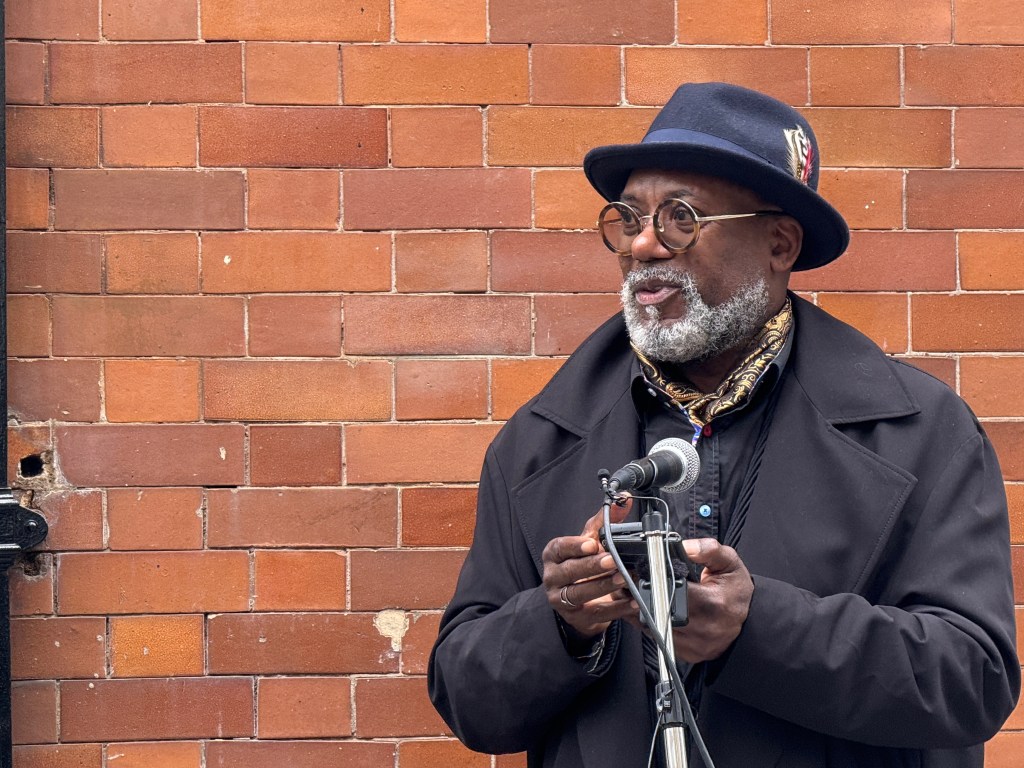
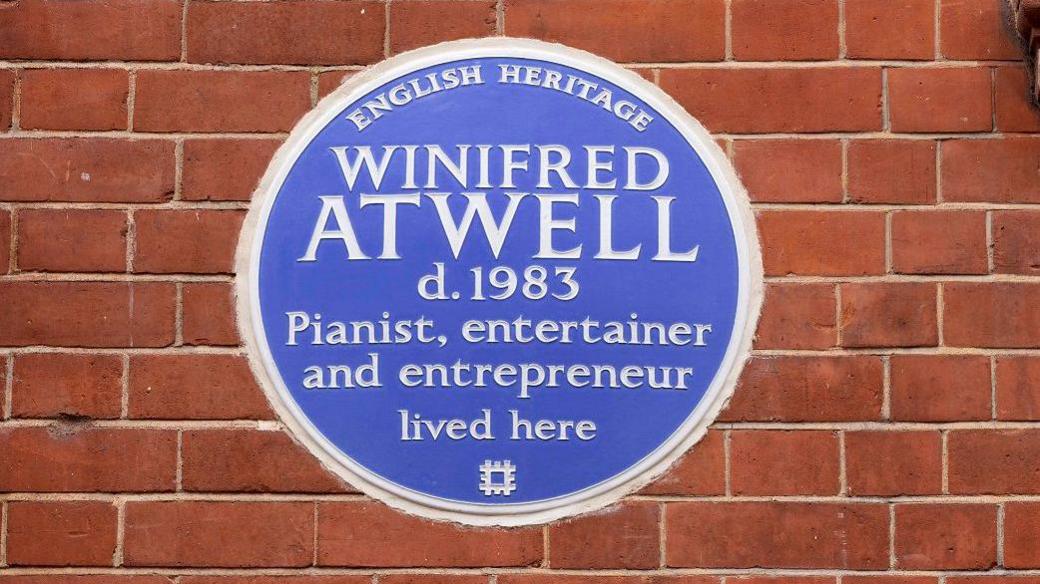
So where is the PLAQUE? Nearest tube is BOND STREET the plaque unveiled by Jools Holland is on her former home at 18 Bourdon Street in Mayfair. The fellow musician said… “her life was not one of poverty, she did not die penniless”. Hence the home in Mayfair. Winifred Atwell’s wealth wasn’t a specific number, but she was very successful, with her hands insured for £40,000 in the 1950s, and she was one of the best-selling female instrumentalists in British chart history.
She left her estate to the Australian Guide Dogs for the Blind, though a cousin of Lew Levisohn successfully contested the will, receiving $30,000.
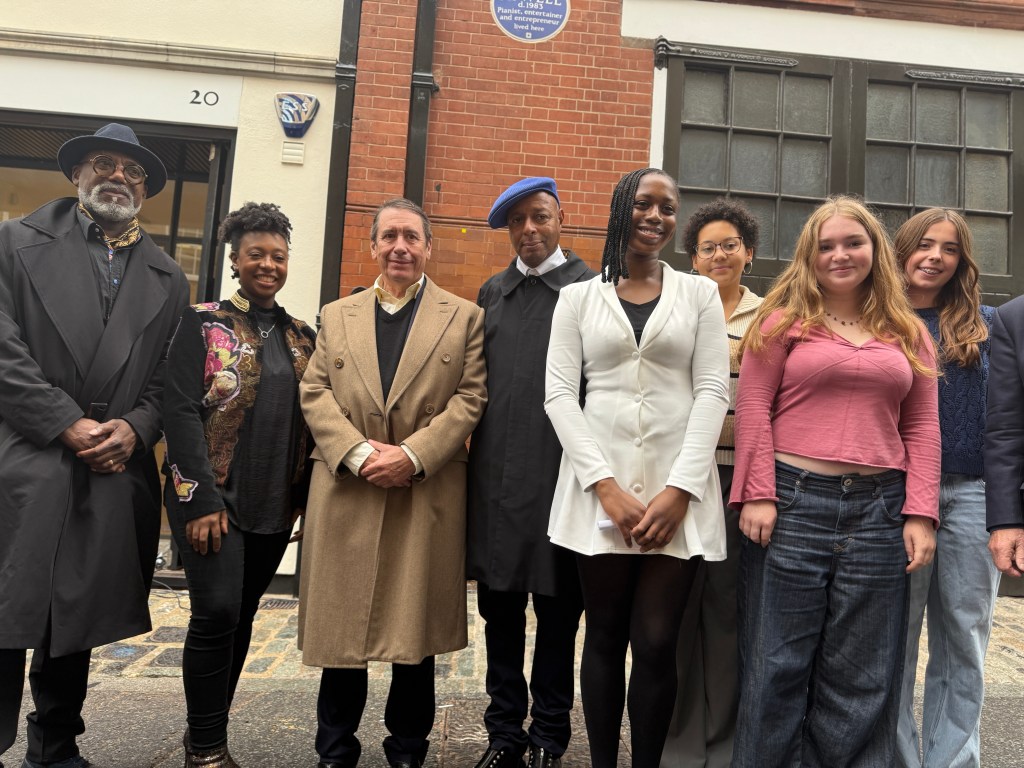
London’s blue plaques scheme, run by English Heritage, celebrates the links between notable figures of the past and the buildings in which they lived and worked. Founded in 1866, it has inspired many similar schemes in the UK and around the world.