

“……… I’ve realised that’s a thread in my writing—there’s clearly something about Black girlhood that I want to document on screen. There just aren’t enough films that centre us, whereas you can’t move for the amount of coming-of-age films about young white kids.” Susan Wokoma Director, Writer Producer Actor
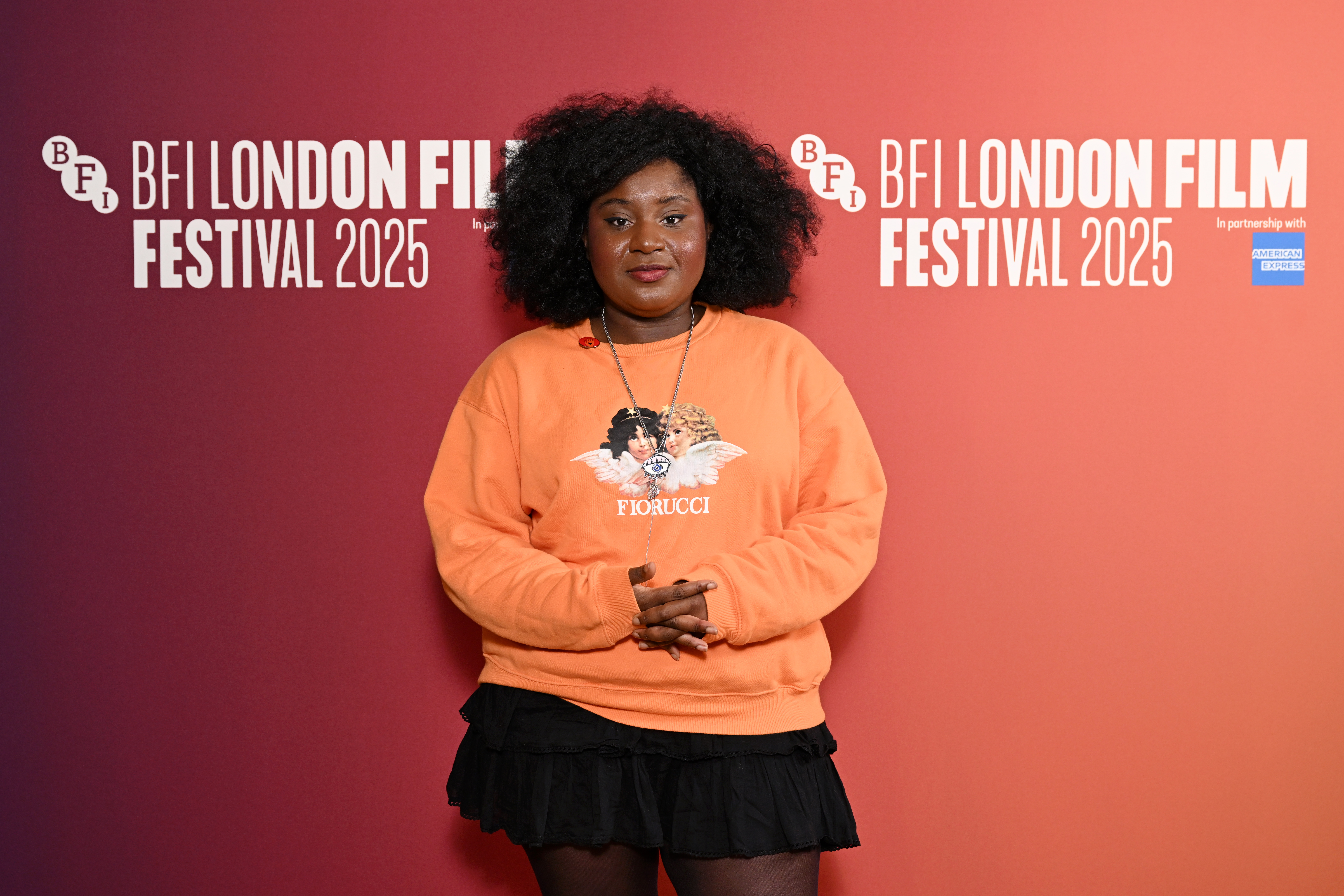
As part of a series of interviews part of Cross Continental Conversations in partnership with ALT A REVIEW where we talk to producers and directors from the global south. Actress, writer, and now director Susan Wokoma makes her directorial debut with Dark Skin Bruises Differently, a powerful short film that will screen at this year’s BFI London Film Festival 2025. Known for her standout performances in Chewing Gum, Enola Holmes, and Cheaters, Wokoma now steps behind the camera to tell a deeply personal story about childhood, trauma, and the way society perceives and protects Black children.
ALT caught up with Susan ahead of the festival to talk about her transition into directing, the inspiration behind the film, and the importance of centring Black girlhood on screen. She is also one of the producers on the film.
ALT: What has inspired this move into directing?
SW: Oh, I think the thing that’s encouraged and inspired my move into directing is mainly that a lot of the really great directors I’ve worked with all used to be actors. I’ve always been aware of that as a performer. When I’m on set, I’m always looking at the ecosystem of a set and trying to figure out why some sets work and why some don’t. That has been the connecting thread through all the really great directors I’ve worked with.

When it came to my writing, I realised I had a very specific vision for how I wanted my stories to be told. I thought, well, I’ve been on enough sets and had all that on-set experience—why couldn’t I direct it myself? I also wanted to create the kind of working environments I’ve always craved. Rather than dictating that to someone else, I thought I might as well do it myself when it comes to my writing.
ALT: The title Dark Skin Bruises Differently speaks volumes. What made you decide on that subject matter? And for audiences who haven’t seen it yet, can you maybe talk a little about the film in a way that correlates with that answer?
SW: Dark Skin Bruises Differently—I honestly can’t think of what else I could have called it. The idea comes from when I was at school. Let’s say I was running in the playground, bashed my knee, and went to the nurse. They’d often say, “Oh no, I can’t see anything,” and I’d be like, “No, I really did fall and hurt myself.” Because darker skin doesn’t bruise immediately in the same way as lighter skin, people often didn’t believe me or didn’t know how to treat it.
That has always fascinated me—the idea that certain people’s traumas are more obvious, easier to spot, and therefore easier to believe than others. In the media, there’s also been commentary about how medical textbooks, up until quite recently, treated darker skin as tougher or more resilient than lighter skin.
In terms of the film, it’s about a young girl named Maria. The way we meet her is very deliberate because I wanted audiences to really listen to how her teachers talk about her. It raises questions: how do we protect Black children? Why aren’t our kids allowed to be strange? Why is it that some children are allowed to be eccentric or unusual, while others aren’t?
So there’s this teacher, Miss Lawson, who’s really trying to stand up for Maria. The central conceit of the film is whether Miss Lawson continues on that trajectory or not. That’s all I’ll say, but it’s about how we perceive, label, and protect children.
ALT: What do you want audiences to take away from this film?
SW: I’d love audiences to reflect on how we talk about children and how that affects how we treat them. I think what shocked a lot of people is hearing everything that’s said about Maria and then finally seeing her at the end. I didn’t hide what you’d see, but the reveal still hit audiences hard.
A lot of the feedback I’ve received has been, “Oh my gosh, when you revealed her, it was such a shock.” That reaction tells me the film is working—because it’s making people reconsider the language we use about children in our care.
ALT: What kind of stories do you see yourself focusing on as a Director?
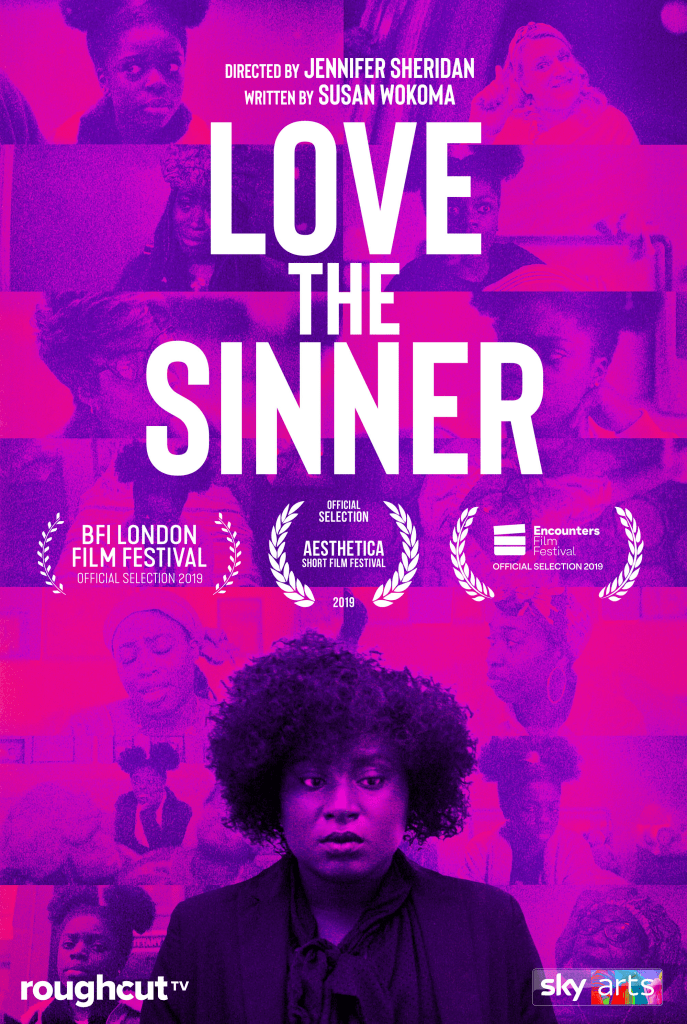
SW: So technically, this is my directorial debut, but I also wrote a short film called Love the Sinner, which screened at the London Film Festival in 2019. Genre-wise, it’s very different—it’s a comedy. That film was based on my experience as a 10-year-old when Princess Diana died. My mum grieved in a way that, to me as a child, seemed quite manic and over the top. At school, the whole country was grieving—it was a surreal time. I wrote it from the perspective of that 10-year-old child.
The link between Love the Sinner and Dark Skin Bruises Differently is that both centre young girls. I’ve realised that’s a thread in my writing—there’s clearly something about Black girlhood that I want to document on screen. There just aren’t enough films that centre us, whereas you can’t move for the amount of coming-of-age films about young white kids.
Some of those are among my favourites—Stand By Me is one of my all-time favourites—but I want us to have our own canon. Once that feels robust, I might move onto other stories, but I think there will always be an element of documenting Black girlhood, especially dark-skinned Black girlhood. It might be a smaller lane, maybe less commercially appealing to financiers, but everything else feels like it’s already taken care of. So I feel it’s my duty, whether through drama or comedy.
ALT: Wonderful. Just flipping back into the Director/Producer role, two things. What were the challenges, given that you were also acting in the film, and what were perhaps the benefits of being able to look at things through the eye of someone who has been in front of the camera. Particularly in terms of how you worked with actors?
SW: Honestly, I didn’t find it too challenging. A lot of people assume it must be difficult, but I think having done a lot of UK comedy TV, you’re often left to your own devices. Especially in male-dominated shows, I found myself quietly self-directing—thinking after each take, “How can I do this differently? What worked, what didn’t?” That felt quite natural, so moving into directing was an extension of that.
The key, really, was good preparation, having a brilliant team I could trust, and casting it right. Our casting director, Tamsin Manson, was incredible. As an actor, I know how transformative a great actor can be—they can elevate the work and make it joyous. Because I believe that, I think actors felt they could trust me.
One of the most rewarding parts was creating the kind of environment I’ve always wanted as an actor: being there for actors, giving them the information and encouragement they need, and guiding them through tricky moments. I also really wanted to bridge the gap between cast and crew. I encouraged transparency and invited anyone from any department to come to rehearsals if they wanted. I wanted everyone to feel ownership of the story and to feel seen. We even had name tags so everyone could call each other by name.
When we wrapped, we had drinks. Normally, if people are tired or unhappy, they skip that. But everyone came—and that told me we’d created a good atmosphere.
ALT: A little bit about the technical side—because I noticed your choice of camera angles. Sometimes it felt like almost a bird’s eye view, with the camera panning in and out as though evaluating the situation. Could you talk about why you used those particular angles and what you wanted to convey?
SW: A lot of the great directors I’ve worked with have been very precise about their shots, often working from a storyboard. I did the same. I’m not a great artist, but I think storyboards are more effective than just a shot list, which can feel cold.
I came up with the storyboard and then worked with our brilliant cinematographer, Ben Cotsgrove. He would adjust based on technical realities—like where the light would fall—but the language of the film was very intentional.
In the big central scene, I wanted the camera to slowly invade Miss Lawson’s space. We began with a wide shot of the teachers, then gradually pushed in. It wasn’t until the edit, working with our editor Eden, that I could feel the musicality of it. Editing is like being a conductor—you need to capture enough coverage so you can change direction later.
The tension was also built with a clock sound in the background—faint at first, then louder and louder, to match the camera’s push. When we finally reveal Maria, it’s the first time the camera glides, emphasising her vulnerability. The framing made her look even smaller in that chair, underscoring the dynamic between adult and child.
ALT: To move a bit into your acting career—you’re known for shows like Chewing Gum and Enola Holmes. What have been some of the best acting roles you’ve had, the ones that have had the biggest impact on you personally and creatively?
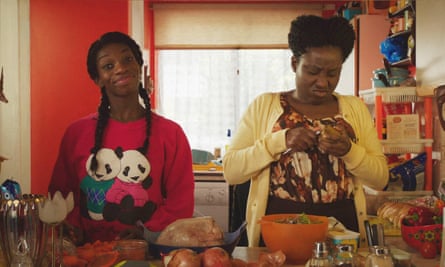
SW: I’d have to say two. Chewing Gum, definitely, because comedically it really allowed me to fly. Our director, Tom Marshall, trusted me with the character, and it was up to me to balance being strange and over-the-top while still keeping it believable in that world. The show’s impact, both in the UK and internationally, is undeniable.
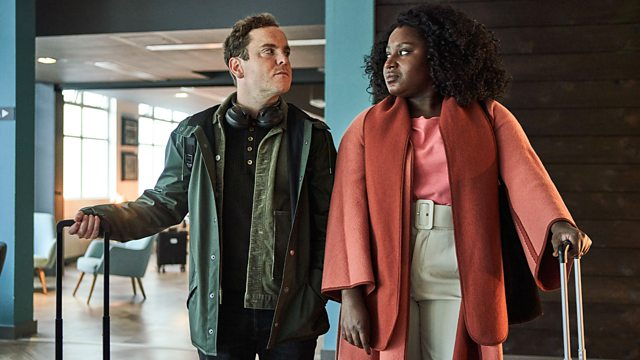
The other would be Cheaters for the BBC, especially the first series. Even though the episodes were only 10 minutes, it was the equivalent of six half-hours. That gave space for a fuller story. The second series was shorter—the equivalent of four half-hours—which made it harder. But I really loved the script, and it wasn’t necessarily a role people would’ve imagined me for. That team was fantastic.

As a writer, I really admire being able to tell such full stories in just 10 minutes. That’s also why I love short film. Our film is 11 minutes, and I think it takes real skill to tell a complete story that leaves an impact in that timeframe.
ALT: Three short questions to close. First, we’re here because your short film is in the BFI London Film Festiva 2025. How does it feel to have your film there this year as a Director/Producer?
SW: It feels incredible. When we applied, we hoped we’d get in, but I honestly wasn’t sure. What I’ve learned is that festivals often focus on themes that emerge from the submissions. If lots of films cover the same theme, that can affect selection. So it really is about timing and whether your film synchronises with the rest of the programme.
The fact we got in is such a joy. I love the London Film Festival, and the BFI has been a real champion of my career. Continuing that relationship is wonderful. And honestly, who doesn’t love seeing their film on a big screen? It’s so cool.
ALT: And where do you call home?
SW: South East London. The BFI is basically my local cinema—it doesn’t know that, but it is! I was born in South East London, moved around, and then came back. I love it.
The South Bank was a huge part of my childhood. I grew up going to the Royal Festival Hall, watching the skater boys, and running away if they ever made eye contact. That was my childhood in a nutshell.
ALT: After a long day of directing or filming, if you could only have one go-to dish, what would it be?
SW: I know exactly—okra soup with assorted meats. You need all the different meats in there. Controversially, I don’t want any pounded yam or extras—just the soup. And we need to stop calling these dishes “soups” when they’re really stews. This is a thick, hearty meal.

So yes, okra soup with assorted meats, a bottle of Supermalt, and maybe some beef suya on the side. That’s my perfect post-shoot meal.
ALT: Perfect. Thank you so much for talking with me, Susan.
SW: Lovely to speak to you guys. Thank you, Joy.
The 69th BFI London Film Festival takes place from 8-19 October at venues in London and across the UK.
Tickets are available now at www.bfi.org.uk/lff

Are you a Producer from the Global South? Do you want to be interviewed for this series of Producer/Director interviews in Partnership with the CCF get in touch with Joy @ editor (at) alt-africa.com)