

Founded in 2018 by Stormzy in partnership with Penguin Random House UK, Merky Books is a publishing imprint dedicated to platforming underrepresented voices and reshaping the mainstream. Since its launch, Merky has published an array of works spanning fiction, non-fiction, and poetry, championing authors from the global majority and beyond. With a mission to challenge traditional publishing spaces and connect stories to audiences who may not have seen themselves represented before, Merky Books has grown into one of the most important imprints in British publishing today.
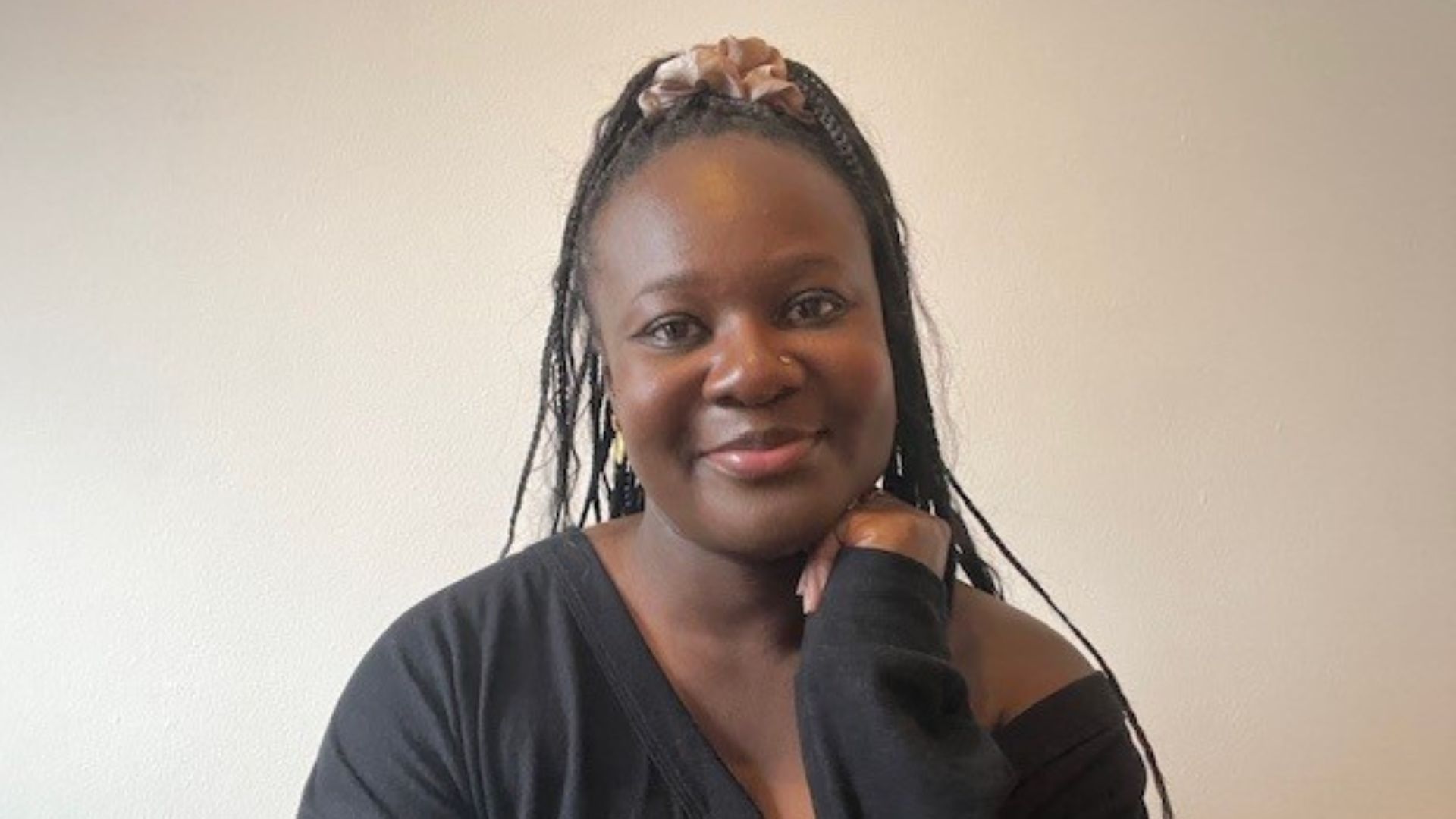
In this conversation, ALT A Review speaks to Joelle, Editorial Director at Merky Books, about her journey into publishing, the importance of inclusive storytelling, the challenges of balancing creativity with commercial viability, and her recognition as a finalist at the Black British Business Awards. The Editorial Director is picked as one of 36 finalists for this year’s Black British Business Awards.
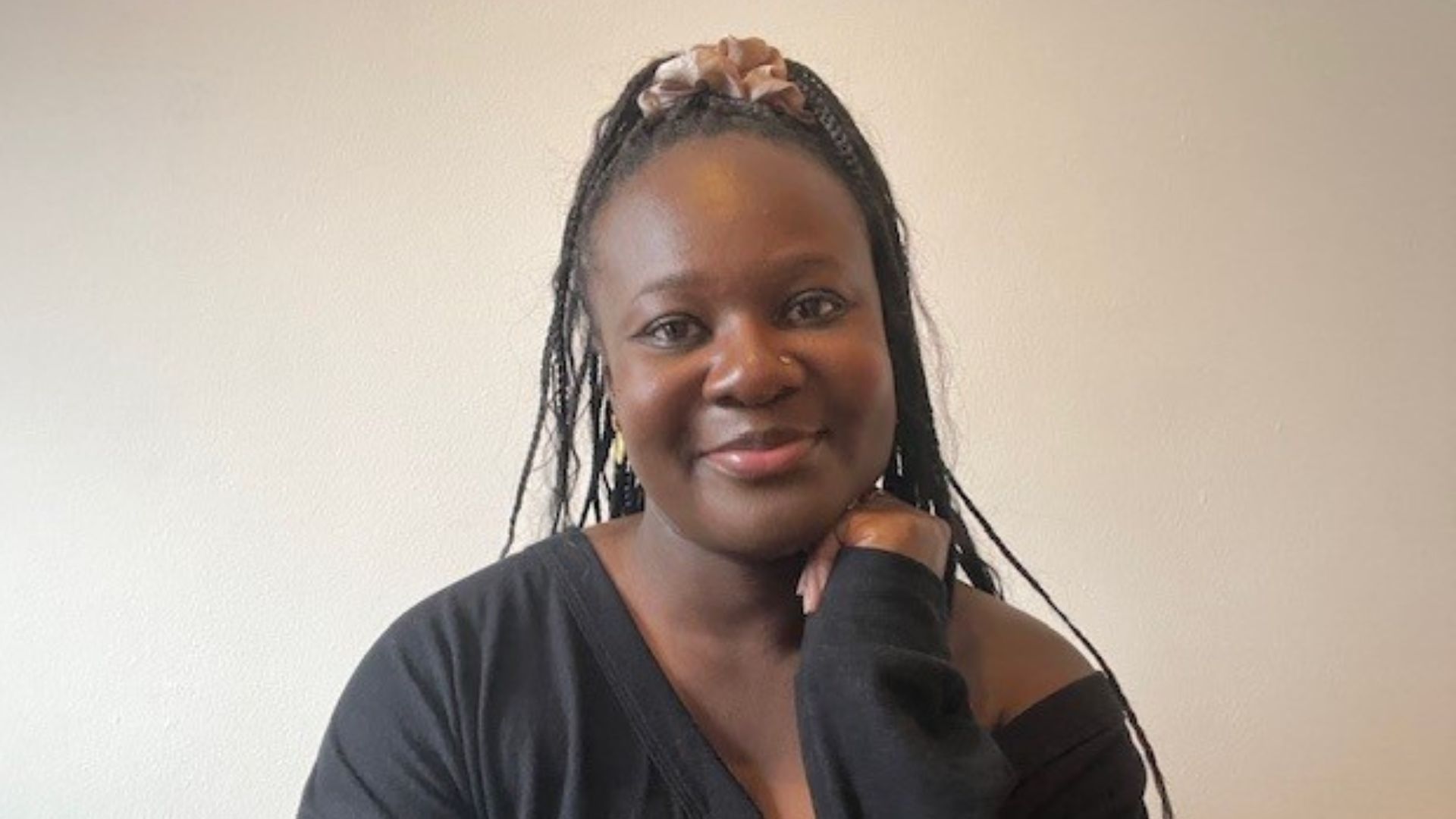
ALT: Firstly, I’d just like to say thank you, Joelle, thank you so much for talking to ALT A REVIEW. What first inspired you to pursue a career in publishing?
Joelle: Gosh. That is actually a really good and interesting question. I had always loved—it sounds quite basic—but I’ve always loved reading when I was younger. There was a time as a child when a lot of what I read was censored. I was only really allowed or encouraged to read the classics, so a lot of Dickens and books that I didn’t understand.
I actually broke away from that when I was nine years old, I remember it really clearly. I discovered Jacqueline Wilson, and I discovered the work of Benjamin Zephaniah as well. I used to secretly go and read those books in the library and hide them inside much bigger books, like Dickens and C.S. Lewis. I just became obsessed.
When I was a little older, maybe 11 or 12, even though I was encouraged to go down a scientific route because I was really good at maths and science, I had always kept a notebook. I even wrote my own book, which was basically a rip-off of Anthony Horowitz’s Alex Rider series.
After completing my science degree, I realised it was the only time I could pivot. If I left it until 25 or 30, I might not have the chance. So instead of pursuing a master’s degree or a career in oil and gas, which was my original plan, I applied for lots of internships. I only got one—but it was the one I needed. That was nine years ago, and it set me up for the career I have now.
It really all started from a genuine love of reading, after years where I thought reading was boring. It wasn’t boring—it was just that I wasn’t reading the right books for my age. Discovering authors writing for kids changed everything for me. That’s what sparked my love for the written word.
ALT: Wonderful. And how do you define inclusive storytelling in today’s literary landscape?
Joelle: The simple answer is stories for everyone. Something so simple shouldn’t feel revolutionary, but it still is in today’s publishing landscape. After the reckoning of 2020, following the murder of George Floyd, there was a surge in focus on inclusivity. But now, I feel we’re slipping backward.
Inclusive storytelling means creating a space where readers can find something that resonates with them—whether they see themselves in the characters, or in the writer’s perspective. It also means giving writers the space, encouragement, support, and resources to tell their stories.
For me, true inclusivity is about diversity of thought and diversity of culture. It also means recognising that not every book by a person of colour, or a queer author, has to be exceptional. There are countless mediocre books by white authors that still get published. Why shouldn’t Black authors, or other underrepresented writers, be allowed to write “middle of the road” books too? Every book has its audience.
Inclusivity is about ensuring writers can have long, thriving careers—not just one “exceptional” book and done. It’s about building sustainability for underrepresented voices in the industry.
ALT: That leads to the next question—about commercial viability. People often say films with Black casts don’t sell, and the same question arises in publishing. How do you balance that when people suggest certain books won’t make money?
Joelle: I work at Merky Books, founded by Stormzy in 2018, with a mission to own and change the mainstream. We’re known for publishing books by the global majority, and we’re unwavering in that commitment. But it’s not about publishing and hoping—it’s about doing the work to connect authors with audiences.
We build campaigns often a year in advance, going beyond the London-centric, white, middle-class bubble of publishing. We reach regional readers, and even people who don’t traditionally see themselves as book readers, and connect them to our authors in creative ways.
Of course, we’re still a business. We want our books to sell, and we want authors to earn out their advances so they can make money too. But success looks different for each author. For some, it’s being a Sunday Times bestseller. For others, it’s simply seeing their book in a local library. My job is to help achieve that vision of success while keeping commercial viability in mind.
Ultimately, we ask three questions before publishing: Will it make money? Will it make us happy? Will it make us proud? Money matters, but so does pride and joy in what we put into the world.
ALT: You mentioned your role as Editorial Director at Merky is very forward-facing. Do you feel it’s more pressurised than similar roles at Penguin?
Joelle: Absolutely. Our proximity to Stormzy and the wider Merky brand brings visibility and scrutiny. It’s a double-edged sword—fun and exciting, but also amplified. We’re a small team, but very visible. Being a Black woman in such a public role can invite negativity, but I’m lucky to have supportive managers who understand both the corporate and emotional side of things.
I’ve also adjusted my presence on social media to protect my mental health and my team’s wellbeing. The role is demanding but rewarding, and the wider Merky brand’s authenticity and community focus keep me motivated.

ALT: Congratulations on being a finalist at the Black British Business Awards. How does it feel?
Joelle: Incredible. Editors are usually “back office”—authors and agents get the spotlight, while our work remains invisible. Being recognised outside the publishing industry has reminded me that editing is both an art and a responsibility. Books last forever, and as editors, we influence what the world reads. This recognition makes me proud of the work I do.
ALT: How do you see British publishing evolving over the next 5–10 years?
Joelle: Trends constantly shift—COVID changed reading habits, pushing people towards nostalgia and escapism. Right now, fantasy-romance (“romantasy”) is booming, alongside slim novels and short stories for readers with shrinking attention spans.
Diversity in entry-level publishing roles has improved, but senior leadership still lacks representation. There are still very few Black editors at higher levels, and progress is slow. Real change requires accountability—and sometimes even public pressure—for publishers to act.
ALT: What advice would you give to aspiring writers who feel their stories aren’t being heard? For example, how might someone get a manuscript to Merky?
Joelle: The internet is your best tool. Do your research. Not every book needs to be published by a big publisher—you can self-publish or go with an indie press. But if you want to publish with the Big Five (Penguin, HarperCollins, Macmillan, Simon & Schuster, etc.), you need a literary agent.
Big publishers don’t accept unsolicited manuscripts. Authors must also know their genre, readership, and comparative titles—who their book would sit alongside in a shop. That awareness makes a writer much more attractive to publishers.
ALT: And finally, how is AI affecting publishing?
Joelle: AI is evolving fast, but editors can tell when a manuscript has been generated by AI. It’s obvious in the language and style. I always advise writers to write their own work, because authenticity matters. If a writer leans on AI too heavily, they may not be able to sustain their career. Longevity comes from originality.
At the heart of her work with Merky Books is a belief that publishing should be both commercially viable and socially transformative, creating stories that make money, make us happy, and make us proud.