


“I can’t play a servant anymore. It’s not me.” DOROTHY DANDRIDGE
As the BFI launches its “Re‑Introducing Dorothy Dandridge; The Cool Flame” season, we reflect on the stardom, struggle, and legacy of one of Hollywood’s most radiant—and most overlooked—figures.
Carmen Jones
Factory worker Carmen and aspiring flyer Joe fall hotly in love in this rapturous version of Bizet’s Carmen.
When Dorothy Dandridge burst onto the screen in the 1950s, she carried with her the poise of a star and the weight of history. A luminous talent with extraordinary presence, she was celebrated as the first African American woman to be nominated for an Academy Award in a lead acting category. But behind the glamour was a woman navigating a brutally unequal system—one that celebrated her image but rarely offered her the dignity of depth, choice, or creative freedom.
The Decks Ran Red
James Mason’s captain faces a mutiny plot while Dorothy Dandridge’s only woman on board contends with violent lust, in this potboiler drama.
Thursday 24 July 2025 18:20
NFT2

- Director Andrew L. Stone
- With James Mason, Dorothy Dandridge, Broderick Crawford, Joel Fluellen
- USA 1958. 84min
- 35mm
- Certificate 12A
- A BFI National Archive print
Stone was an interesting director who usually made independent films with his wife Virginia. This low-budget MGM production focused on a mutiny plot aboard a ship captained by Mason’s skipper. Dandridge plays the cook’s wife, the only woman on board, who is threateningly pursued by many of the crew.
Contains racial stereotypes and sexual assault.
Born in 1922 in Cleveland, Ohio, Dandridge began her career in a touring song-and-dance act alongside her sister. Her mother, determined to see her daughters succeed, pushed them into show business early. Dorothy’s transition into Hollywood came at a time when the industry had a narrow—and often demeaning—set of roles for performers of African descent. She was expected to play maids, chorus girls, or background beauties. But she didn’t want to smile on cue or dance in the margins—she wanted to act.
Tamango
An enslaved African man plans a shipboard rebellion and wants the captain’s sexual slave to help.
NFT3

- Director John Berry
- WithDorothy Dandridge, Curd Jürgens, Alex Cressan
- France-Italy 1958. 99min
- Video
- Certificate12A
Jürgens’ Dutch sea captain embarks on what he intends to be his last slave-ship voyage, along with Aiché, his enslaved mistress. The captured Tamango plans a revolt and tries to persuade Aiché to join him and the other rebels. Dandridge had refused many slave roles during her career, but was attracted to the markedly different perspective presented in this tale of a seafaring mutiny.
“If I were Betty Grable, I could capture the world.”
That quote from Dandridge summed up the sharp divide between what was possible for white actresses in Golden Age Hollywood and what was denied to her. Her breakthrough came with Carmen Jones in 1954—a sultry, vibrant, and ground-breaking musical that cast her as the seductive lead in an all-Black reimagining of Bizet’s opera. It was a seismic moment: a Black woman headlining a major Hollywood film, not in a supporting role, but front and center. Her performance dazzled audiences and earned her a historic Oscar nomination.

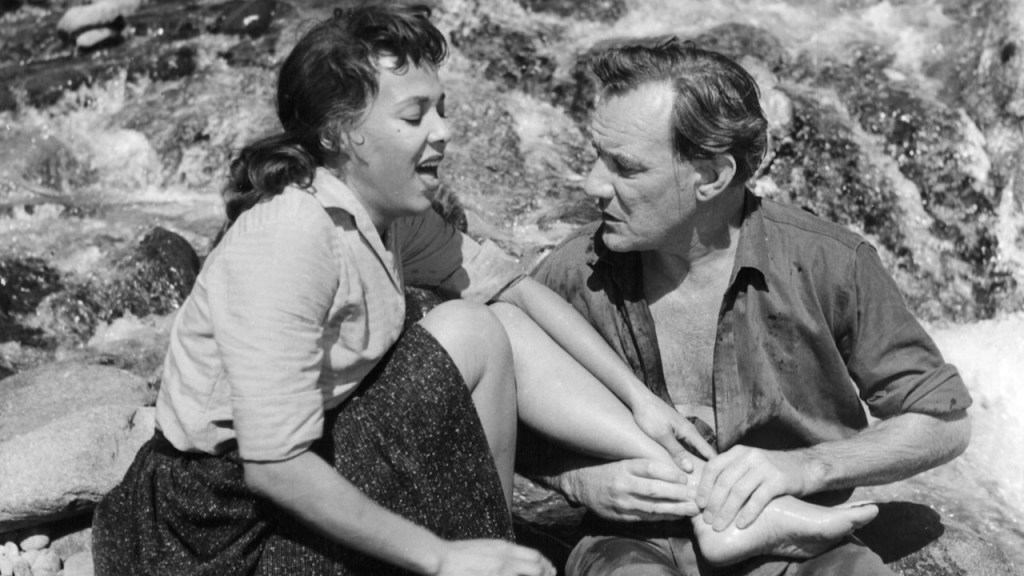
But despite the acclaim, doors remained closed. She was offered few substantive roles after Carmen Jones. The leading-lady parts went to others. When she was cast, it was often in exoticised or tragic roles—characters that leaned on stereotypes or romantic despair. Films like Island in the Sun, which featured one of Hollywood’s earliest interracial kisses, or Porgy and Bess, offered fleeting breakthroughs but still limited her. There was a ceiling that never broke, no matter how brightly she shone.
Industry, Politics, and Pain
The era was tense with racial and political upheaval. Dandridge was rising in an America still legally segregated in many places, where a performer could receive standing ovations in a venue they weren’t allowed to enter through the front door. She frequently dealt with indignities even at the height of her fame—turned away from hotels, underpaid, undervalued.
She once said, “I can’t play a servant anymore. It’s not me.” That refusal to accept the scraps the system offered her came at a price. She turned down roles she believed demeaned her image and talent, but in doing so, she narrowed her already limited options. Hollywood wasn’t ready to make space for a woman who demanded to be seen as fully human on screen.
Tragedy Behind the Curtain
Behind her elegance lay personal turmoil. Her marriage to dancer Harold Nicholas was troubled. She was the mother of a daughter with severe developmental disabilities, which weighed heavily on her both emotionally and financially. She faced business mismanagement, betrayal, and career setbacks. By the early 1960s, the roles had dried up. She was forced to perform in nightclubs to survive.
In 1965, at just 42, Dorothy Dandridge died in her Los Angeles apartment. The official cause was an accidental overdose. There were whispers of suicide. At the time of her death, she had only a few dollars to her name. It was a shocking, tragic end for a woman whose beauty and brilliance had once captivated the world.
Reclaiming Her Legacy
Today, Dandridge’s name doesn’t surface nearly as often as it should. She was, in many ways, a victim of timing—a star ahead of her era, carving a path with few supporters and even fewer equals. She was elegance personified, but also defiant, vulnerable, and principled.
Her influence is quietly embedded in the careers of every woman of colour who followed—from Diahann Carroll to Halle Berry, who portrayed Dandridge in a 1999 film and later dedicated her own Oscar win to her.
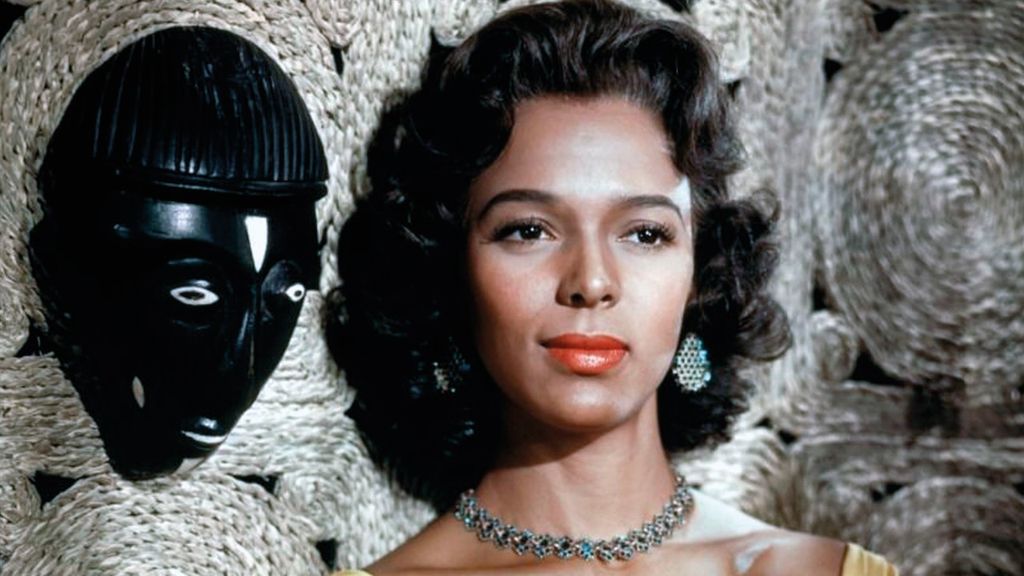
But influence isn’t always legacy. That’s why the BFI’s upcoming retrospective, “Re‑Introducing Dorothy Dandridge,” is so important. Through newly restored prints, curated screenings, and panel discussions, audiences will revisit the films, moments, and unfulfilled promise of a woman whose talent once lit up the screen—and whose story still haunts the margins of Hollywood history.
Not Forgotten, But Not Yet Fully Remembered
So, is Dorothy Dandridge a forgotten icon? Perhaps not forgotten—but certainly not honoured as fully as she deserves. Her life speaks volumes about what happens when a groundbreaking talent collides with an industry that isn’t ready to support her. She forced Hollywood to look at itself—and in many ways, we’re still catching up.
In remembering Dorothy Dandridge, we’re not just revisiting history—we’re reclaiming it. And there’s no better moment to do that than now.
🗓 “Re‑Introducing Dorothy Dandridge” runs at BFI Southbank this July.
🎟️ For screenings, panel events, and booking info, visit the BFI website.
#DorothyDandridge #BFI #CarmenJones #HollywoodHistory #GoldenAgeCinema #RepresentationMatters #FilmIcons #AltAReview #ReintroducingDorothyDandridge