

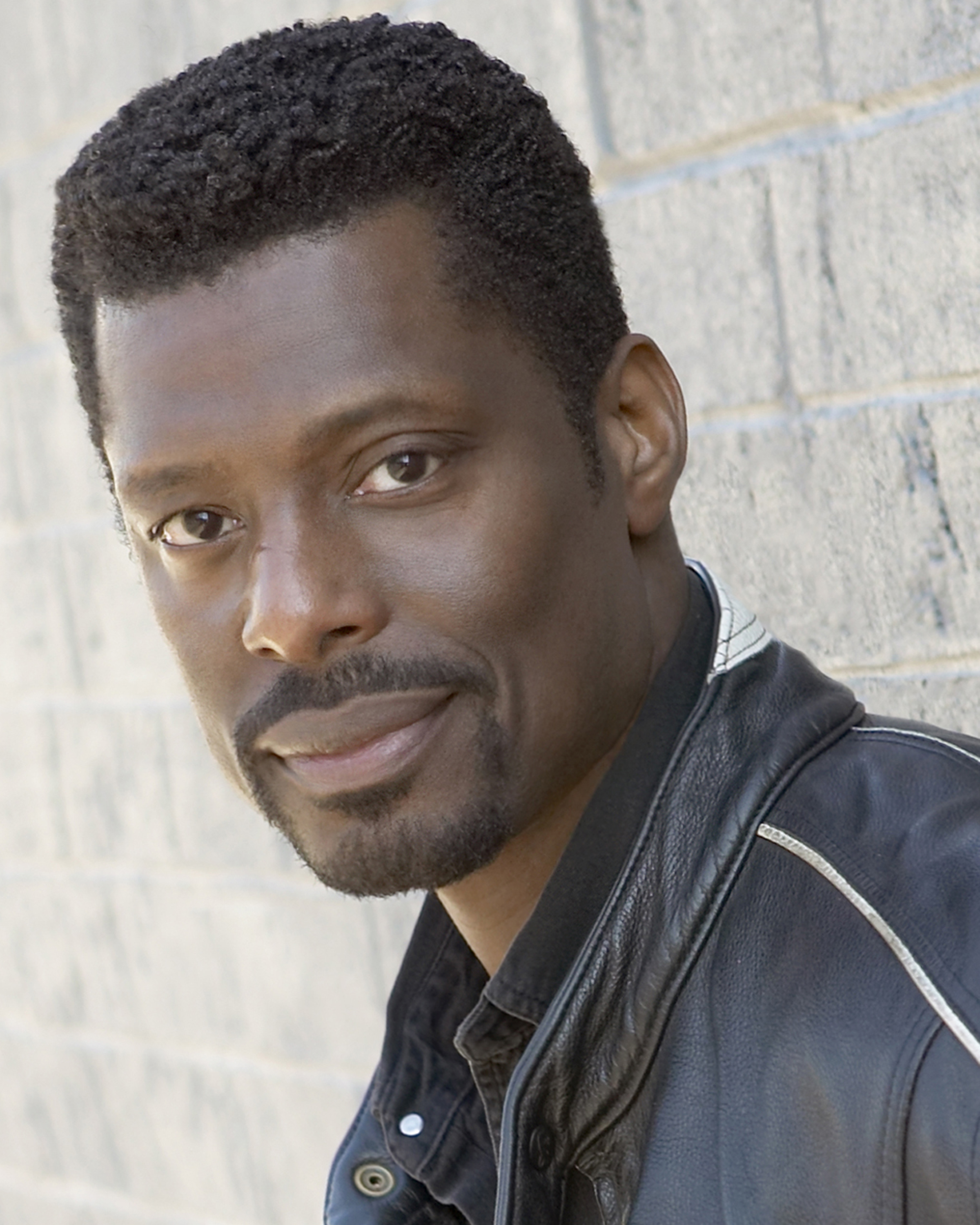
On “Liberation”: “It’ll be controversial. Especially in today’s world — where people are trying to rewrite history. Many still don’t know that Black, Indian, and Caribbean people fought in British uniform during WWII. That’s not taught. And that’s the danger — erasure.” EAMONN WALKER
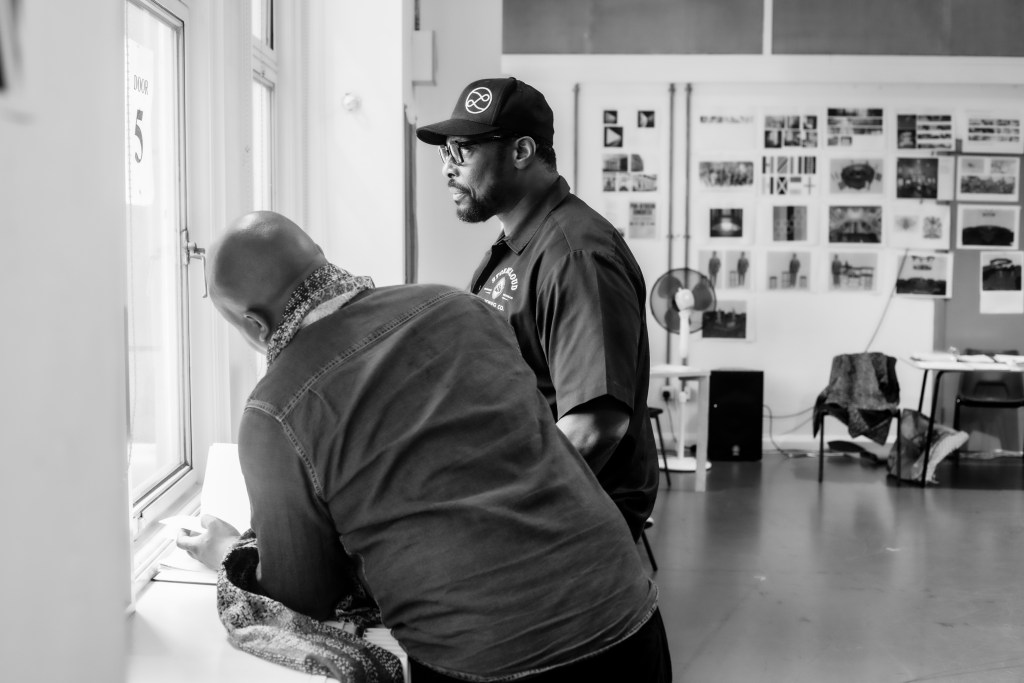
Acclaimed British actor Eamonn Walker, best known for his ground-breaking role as Kareem Said in HBO’s Oz, returns to the stage in Liberation at the Royal Exchange Theatre, a powerful play that revisits the history of Pan-African resistance and Black British activism. In this deeply personal and politically charged conversation with ALT A Review, Walker discusses the responsibility of storytelling, the significance of theatre as a space of truth, and why Liberation is a defining moment in his career. With raw honesty, he reflects on navigating British television as a young Black actor, the transformative impact of Oz, and his unwavering dedication to truth on stage and screen. With a tight schedule Walker spoke to Joy Coker about his journey to success ahead of the actor playing George Padmore at The Royal Exchange in Manchester.
📣 INTERVIEW
ALT: Let’s go back to the beginning — what inspired you to become an actor?
EW: I’m going to be talking about the importance of righteousness in the face of so much wrong. As a nine-year-old boy, I somehow knew that’s what I wanted to do. Subliminally, I was influenced by the media — I realised it was a powerful medium that could reach people. I just needed to find what I wanted to say. And as a young Black boy, I had plenty to say.
ALT: You started out on British TV in shows like In Sickness and in Health and The Bill. What was it like cutting your teeth in British drama and comedy?
EW: Actually, I didn’t cut my teeth there — I’d done years of theatre beforehand. I started at the Empire in Bedford with John Turner and Greta Mendes. Then I met Norman Beaton — God bless him. I was asking loads of questions, and he just said, “Just do it.” Took me years to really understand that simple but powerful advice.
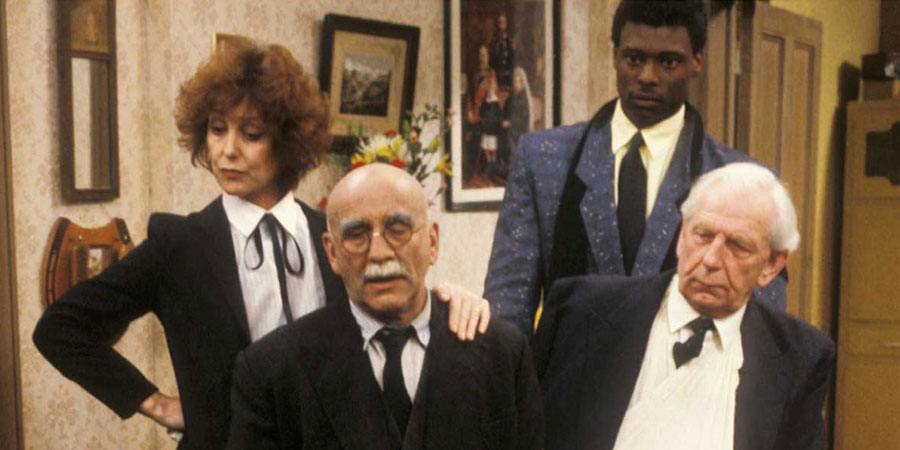
British television was tough. I was a young man with a voice but hadn’t yet found what I wanted to say. Back then, there was no path for us — you had to carve it out yourself. People like Lenny Henry were ahead of me, but even then, we were all just surviving by the skin of our teeth. I gradually learned the power of saying “yes” or “no” to roles — that became a real turning point.
ALT: Let’s talk about Kareem Said in Oz. What did that role teach you about storytelling and character?
EW: Linda La Plante introduced me to Tom Fontana. I thought, “It’s America — this’ll never happen.” But Tom saw something. He said, “The role you came for isn’t right, but if we get picked up, I’ll write you a part.” I didn’t believe it — but he did.
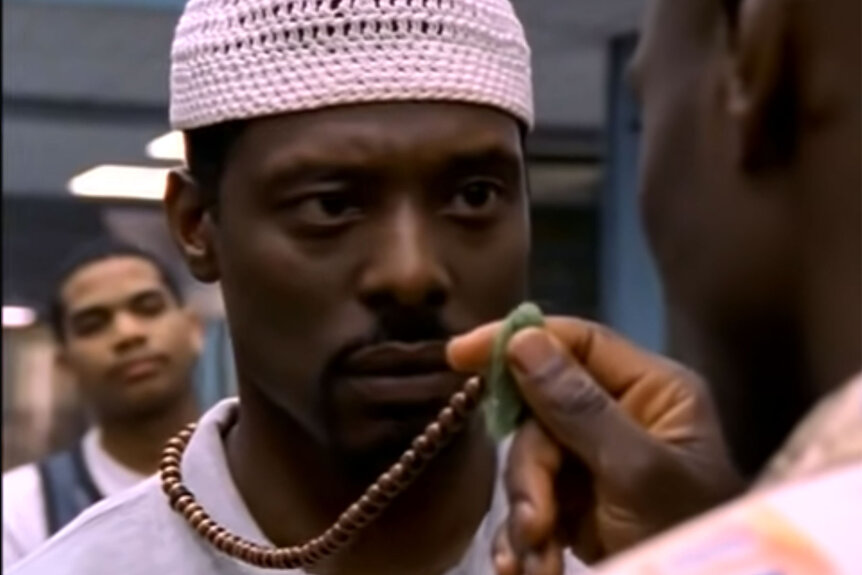
He wrote Kareem Said. I was the first Black Muslim on American television. I took myself to the mosque on 125th Street. I met Brother Kareem, and for six years, I saw him every weekend. I learned about Islam, leadership, faith — it changed my life. That role shaped my view of what it means to be a man of God in a brutal environment.
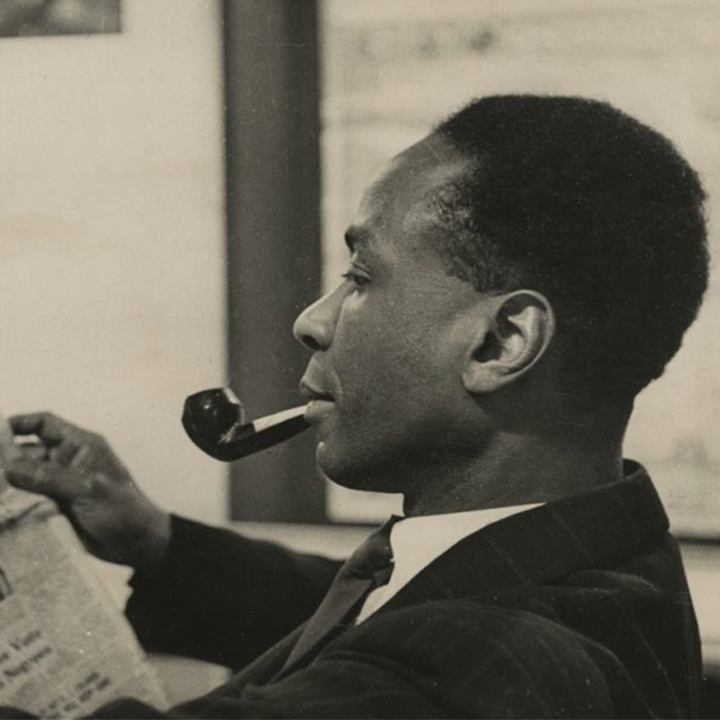
ALT: In Liberation, your character is part of the Pan-African movement. Without spoilers, how would you describe the broader significance of your role?
EW: The play explores imperialism and colonialism in the post-WWII world. Men like George Padmore, Marcus Garvey, W.E.B. Du Bois, C.L.R. James — they used writing and ideology to awaken people. They challenged the system using communism as a tool for unity.
George Padmore used his words to show working-class white Brits they were also trapped in a system of serfdom. So it wasn’t just about race — it was about class, economics, and psychological control. This play tells those truths — through music, character, culture. And Zawadi’s writing… I can’t praise it enough.
ALT: What does it mean to you, personally and professionally, to return to theatre in this story?
EW: I don’t care about the medium — TV, theatre, film — they’re just vehicles. What matters is the message. I haven’t been on stage since 2016. Nothing called me back until this. And now, I feel I have to rise to meet the words she’s written. As a young actor, I was crying out to speak truth — and now, here it is.
ALT: What do you love about live performance?
EW: The immediacy. Theatre is call and response. It’s like music — when the audience feels it, they give it back. You can’t get that with film. That energy is addictive. If you connect with them, it’s alive, it moves you both. That’s the drug.
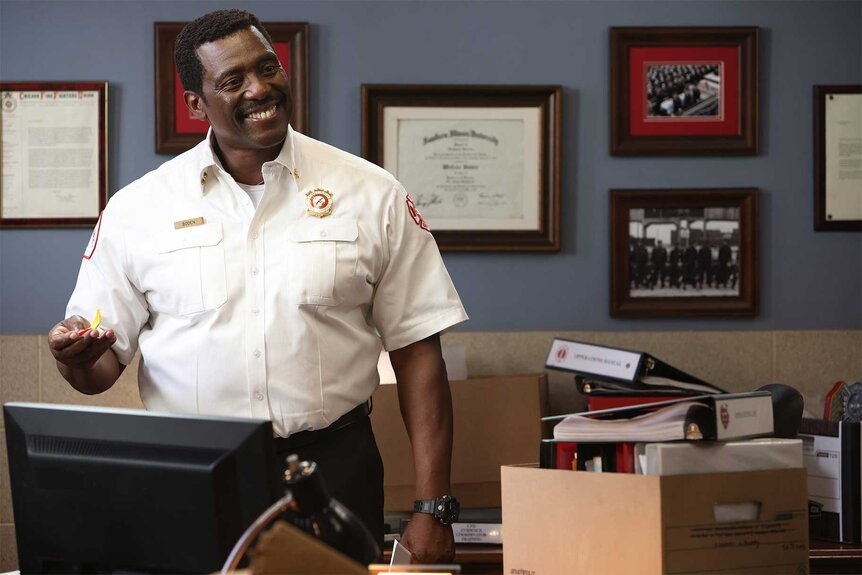
ALT: What would the older Eamonn say to the 19-year-old version of yourself?
EW: I’d probably say what Norman Beaton told me: “Just do it.” But I’d also say, stay true to your yardstick — the thing that made you start. Keep checking in with that. It’s not about fame or money. This work is hard, and you’ve got to get back up again and again. Know why you’re doing it.
ALT: What advice would you give to young actors today?
EW: Everyone’s different. But know what you’re doing it for. I always say, my kids should be able to look at my work and be proud. So make choices you believe in. Be aware of what you leave behind.

ALT: What impact do you hope Liberation will have on audiences?
EW: It’ll be controversial. Especially in today’s world — where people are trying to rewrite history. Many still don’t know that Black, Indian, and Caribbean people fought in British uniform during WWII. That’s not taught. And that’s the danger — erasure.
We have a duty to speak truth, to share the real stories. Because history isn’t just British. It’s shared — Irish, Scottish, Caribbean, African. It’s global. This play shines a light on that collaboration and truth.
ALT: And finally, where do you call home?
EW: Home is where my kids are. I’m an international person — between the UK and the US. But home is always where the heart is.
ALT: And your go-to dish?
EW: Stewed chicken, rice, and pizza.
Liberation runs until 26th July 2025 BOOK HERE