


As we move swiftly through 2025, health-conscious choices are taking center stage. It’s not to late to adapt or pay attention to your health and well-being. In 2025 we see a focus on plant-based eating, functional foods, personalized nutrition, and sustainability, individuals are prioritizing their well-being in ways that are both effective and environmentally friendly. Here’s a look at some key trends, along with examples of foods, supplements, and exercises that align with these trends.
1. Plant-Based Diets
Trend: Flexitarianism and plant-based eating will continue to grow as consumers opt for healthier, more sustainable food options.

Examples of Foods:
-
Legumes: Lentils, chickpeas, and beans are packed with protein, fiber, and essential nutrients, supporting muscle health and digestion.
-
Tofu and Tempeh: Rich in plant-based protein and calcium, these soy products make great meat substitutes.
-
Whole Grains: Quinoa, barley, and farro are excellent sources of fiber and essential minerals.
Who It Works For: Anyone looking to reduce their meat consumption for health or environmental reasons. It’s particularly beneficial for those seeking lower cholesterol, improved digestion, or a more sustainable lifestyle.

2. Functional Foods
Trend: Consumers are turning to foods that offer specific health benefits, targeting issues such as brain function, cognitive performance, and gut health.
Examples of Foods:
-
Fermented Foods: Kimchi, sauerkraut, and kefir are great for gut health, as they contain probiotics that promote a healthy microbiome.
-
Omega-3 Rich Foods: Fatty fish like salmon, walnuts, and flaxseeds support brain function and cognitive health.
-
Turmeric and Ginger: Known for their anti-inflammatory properties, these spices help manage inflammation and support joint health.
Who It Works For: Those looking to improve specific aspects of their health, such as digestion, cognitive function, or immunity. Particularly beneficial for people dealing with inflammation or cognitive decline.
3. Gut Health
Trend: With growing awareness of the gut-brain connection, products containing prebiotics, probiotics, and other gut-boosting ingredients will remain a hot commodity.
Examples of Supplements:
-
Probiotics: Supplements like Lactobacillus or Bifidobacterium support gut health and improve digestion.
-
Prebiotic Foods: Bananas, onions, garlic, and leeks feed healthy gut bacteria, promoting overall gut balance.
Who It Works For: Individuals with digestive issues, those dealing with bloating or IBS, or anyone looking to boost immunity by improving gut health.
4. Protein
Trend: High-protein foods and snacks will remain popular, with more convenient options emerging for those with busy lifestyles.
Examples of Foods:
-
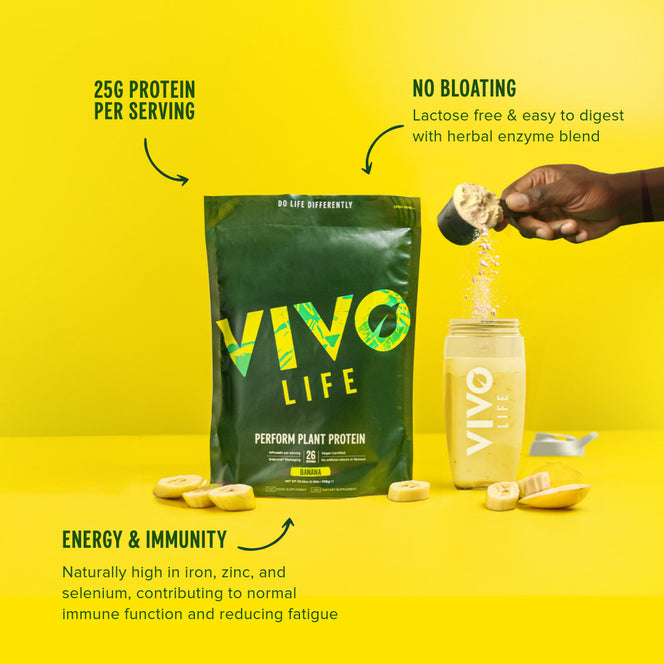
Plant-Based Proteins: Hemp, pea, and brown rice protein powders are excellent vegan alternatives to whey protein.
-
Greek Yogurt and Cottage Cheese: Packed with protein and calcium, these are great snack options for muscle recovery.
-
Protein Bars and Shakes: Convenient options for those on the go, with many offering plant-based protein sources.
Who It Works For: Active individuals, athletes, and those looking to build or maintain muscle mass. Protein is also crucial for satiety and weight management.
5. Sustainability
Trend: Reducing food waste and supporting regenerative agriculture are becoming key considerations for consumers looking to make more sustainable food choices.
Examples of Practices:
-
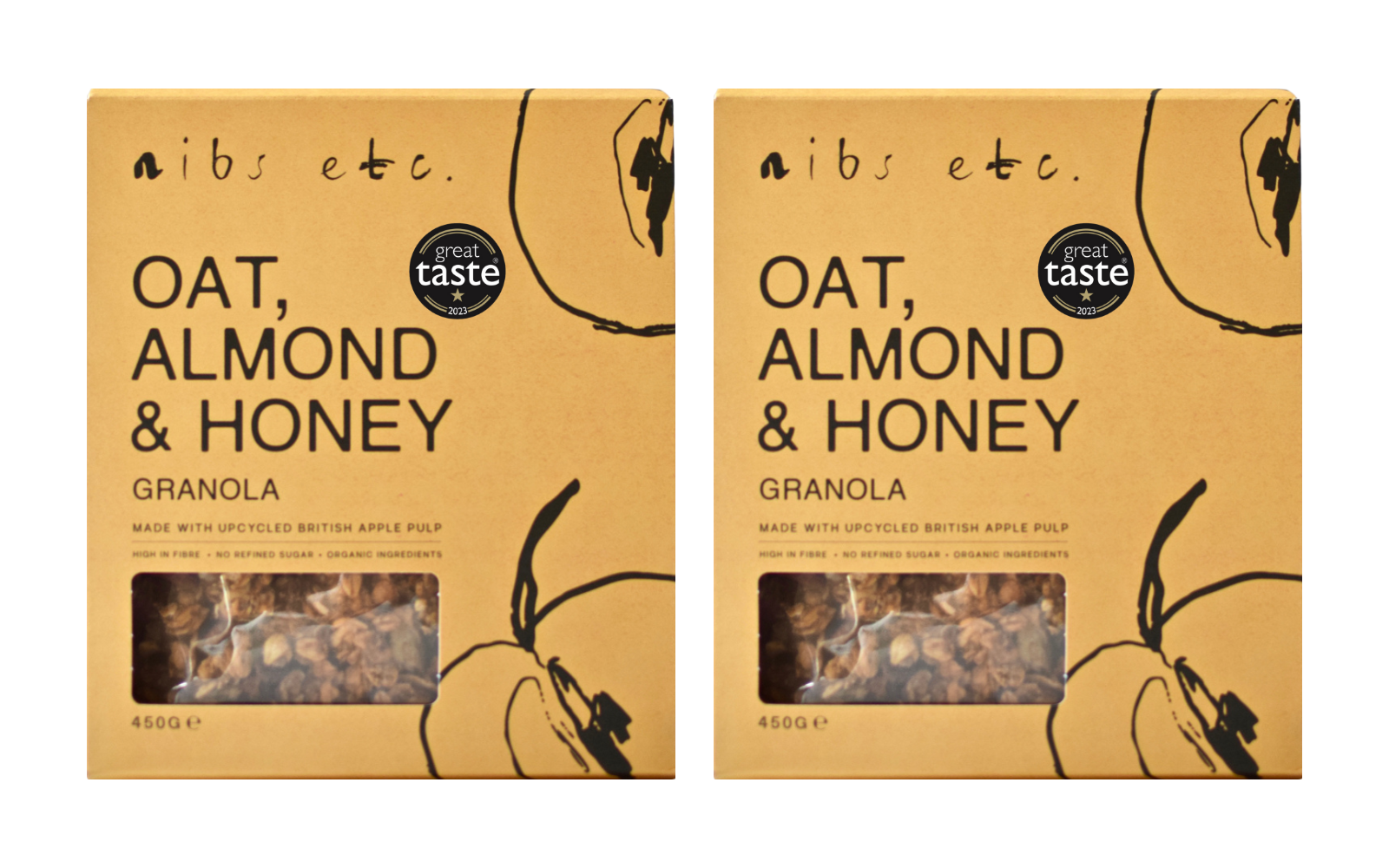
Upcycled Foods: Companies are creating products from food scraps, like chips made from vegetable peels or bread made from surplus grains.
-
Regenerative Agriculture Products: Supporting farms that practice soil regeneration, like those offering grass-fed meats or organic produce.
Who It Works For: Anyone passionate about reducing their carbon footprint and supporting ethical, environmentally-friendly farming practices.
6. Personalized Nutrition
Trend: Advances in genetic testing, microbiome analysis, and wearable technology allow for tailored dietary plans that target specific health outcomes.
Examples of Tools:
-
DNA-Based Diet Plans: Companies like DNAfit and 23andMe offer insights into how your genetics can influence your nutrient needs and food sensitivities.
-
Gut Health Testing Kits: Personalized probiotic recommendations based on gut microbiome analysis.
Who It Works For: Individuals looking for a custom-tailored approach to optimize health and performance. It’s especially useful for people with specific health goals, such as weight loss or managing chronic conditions.
7. “Food as Medicine”
Trend: The concept of food as a tool for improving health is gaining momentum, with an emphasis on nutrient-dense foods that promote long-term wellness.
Examples of Foods:
-
Leafy Greens: Kale, spinach, and Swiss chard are high in vitamins and antioxidants that support overall health.
-
Berries: Blueberries, strawberries, and acai are packed with antioxidants that help combat oxidative stress.
-
Nuts and Seeds: Almonds, chia seeds, and pumpkin seeds provide healthy fats, fiber, and essential minerals.
Who It Works For: Anyone looking to prevent chronic diseases, improve longevity, or boost overall health with nutrient-rich foods.
8. Food and Flavor Innovations
Trend: A rise in global flavors, texture innovations, and sustainable sips will shape the culinary landscape.
Examples of Trends:
-
Global Flavors: Incorporating spices like sumac, za’atar, and harissa into everyday cooking for a unique, bold flavor profile.
-
Sustainable Beverages: Non-alcoholic functional drinks like kombucha, coconut water, and plant-based smoothies.
-
Crunchy Innovations: Foods with satisfying textures, like air-popped snacks, crispy chickpeas, and plant-based chips.
Who It Works For: Foodies, adventurous eaters, and those looking for flavorful, unique ways to enhance their meals and hydration without compromising health.

9. Super Sourdough
Trend: Traditional baking techniques, especially sourdough made with high-quality ingredients, will continue to rise in popularity for its digestibility and health benefits.
Examples of Foods:
-
Whole Grain Sourdough: Rich in fiber and prebiotics, it supports gut health while offering a chewy, tangy flavor.
-
Sourdough-based Snacks: Crackers and crisps made from sourdough offer a healthy alternative to processed snacks.
Who It Works For: Those seeking a more digestible, fiber-rich bread option with probiotic benefits for gut health.
10. Seaweed
Trend: Sea-based plant foods like sea moss, kelp, and duckweed are gaining attention for their sustainable production and rich nutritional profiles.
Examples of Foods:
-
Seaweed Snacks: Nori and kelp-based snacks provide iodine and other minerals that support thyroid function and overall health.
-
Seaweed Powders: Additives like spirulina or chlorella are often used in smoothies or energy bars for a nutrient boost.

Who It Works For: Those looking to add a sustainable, nutrient-dense food to their diet. Seaweed is particularly beneficial for those needing to boost mineral intake or looking for plant-based alternatives to traditional supplements.
11. Strength Training
Focus: Traditional strength training, using free weights and barbells, is making a comeback.
Why: The focus is on building strength and improving overall health, rather than just aesthetics. Strength training promotes not only muscle growth but also bone health, metabolism, and functional movement.
Examples:
-
Free Weights: Dumbbells, kettlebells, and barbells allow for versatile strength-building exercises like squats, deadlifts, and overhead presses.
-
Machines: Many gyms are now investing in machines that focus on isolated muscle groups, complementing free weight exercises.
-
Strength Training Classes: Programs like CrossFit or BodyPump are gaining popularity for their group-focused strength training.
Who It Works For: Those looking to improve overall fitness, build muscle, and enhance strength. Particularly beneficial for aging adults who want to maintain bone density and prevent muscle loss.
12. Low-Impact Exercises
Focus: Low-impact workouts, such as walking, yoga, and swimming, are gaining traction as people seek gentler ways to exercise.
Why: These exercises are accessible to a wider range of people, including those with injuries or who are new to exercise. They help improve flexibility, cardiovascular health, and mental well-being without straining the joints.
Examples:
-
Yoga: A perfect way to enhance flexibility, balance, and mental clarity, while also relieving stress and tension.
-
Pilates: Focuses on core strength and overall body conditioning while being gentle on the joints.
-
Walking: A simple yet effective way to improve cardiovascular health, boost mood, and increase daily physical activity.
-
Swimming: Provides a full-body workout that improves endurance and strength while being easy on the joints.
Who It Works For: Ideal for beginners, seniors, or anyone recovering from injury who needs a more gentle, low-impact way to stay active.
13. Virtual and Hybrid Training
Focus: Virtual and hybrid training models are rapidly evolving, providing more flexibility and accessibility for fitness enthusiasts.
Why: With the rise of remote work and the increasing demand for home-based workouts, virtual and hybrid options (a mix of in-person and online training) allow people to maintain fitness routines on their own terms, offering convenience and personalized coaching.
Examples:
-
Online Classes: Platforms like Peloton, Daily Burn, and Beachbody offer a wide range of virtual workout classes, from strength training to yoga.
-
Hybrid Programs: Fitness studios and personal trainers are offering hybrid models that combine in-person sessions with virtual ones, allowing more flexibility for busy schedules.
-
Wearable Technology: Devices like Fitbit and Apple Watch now integrate with virtual training programs, tracking progress and adjusting workouts to optimize results.
Who It Works For: Busy professionals, remote workers, or anyone looking for a convenient and adaptable approach to fitness that fits into their schedule.
Health-conscious individuals now have more tools than ever before to fine-tune their diet and lifestyle. Whether through plant-based diets, functional foods, or personalized nutrition, there are countless ways to improve overall well-being. Incorporating these trends—along with the right foods, supplements, and exercises—can provide specific health benefits while supporting long-term sustainability.
As with any diet or lifestyle change do consult a doctor if you have any pressing health conditions or ailments.