


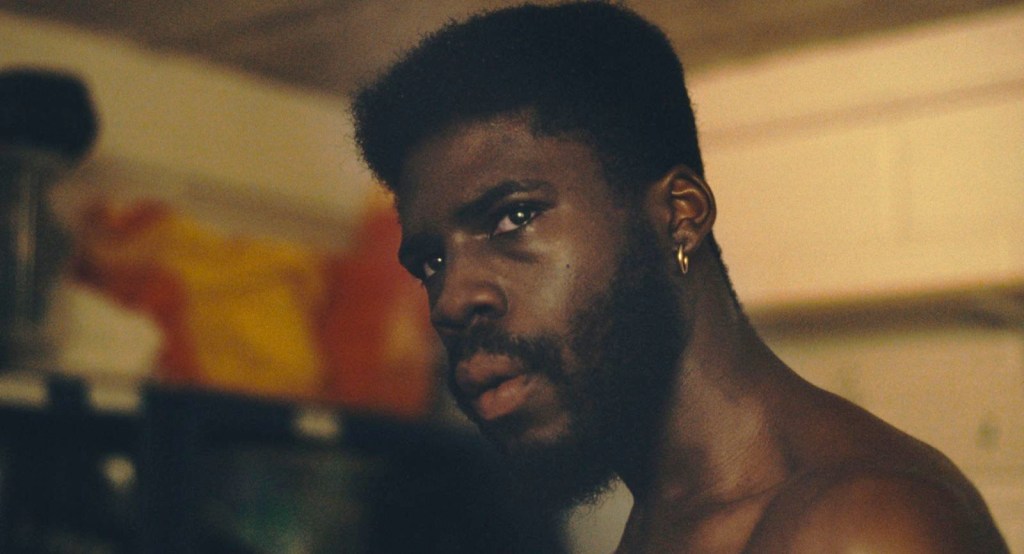
Alessandro Babalola is an actor best known for his standout role in Top Boy (2019), a popular crime drama on #Netflix. Alessandro’s other credits include Unforgotten (2015), Wrath of Man (2021), and the upcoming The Ministry of Ungentlemanly Warfare (2024).
In addition to his screen credits, Alessandro won an Olivier Award for his work on the play Flesh and Bone (2019), which earned recognition for Outstanding Achievement in an Affiliate Theatre. The production, originally at the Edinburgh Fringe Festival, later transferred to the Soho Theatre in London.
ALT A REVIEW:
Izabella, can you maybe talk a bit about how you got into acting? What was that like for you, jor ust maybe why?
Izabella:
I’ve been acting ever since I could walk, pretty much. When I was little, my mom put me into one of those free after-school acting groups, and from there, I was kind of hooked. I did loads of shows and was in a couple of dance schools. At university, I went to Sussex University, where I studied Drama and English. My course was quite collaborative, so it focused more on writing and directing theatre. After that, I formed a theatre company, and we were also a production company. Alongside that, I had a lot of friends who were young directors, so they often got me involved in music videos or short films. My approach was more unconventional; I didn’t attend a formal drama school. I did apply after university, but they didn’t accept me, so I gave up on that and decided, “You know what? I’m just going to make my own work.” That’s the route I took. About a year after university, I got an agent, and I started doing more TV work while also touring my shows.
So, I came to acting in a more experimental way. It wasn’t a direct path. Since then, I’ve taken a couple of courses and workshops to improve myself, and even as I hope to get bigger roles in my career, I think there’s always work to be done. That’s one of the beautiful things about performing. I’ve always loved performing and movement, so it’s definitely in my blood. I don’t think I could stop even if I wanted to.
ALT A REVIEW:
It’s a good thing because you’re good at it. So keep going.
Izabella:
Thank you! That’s really sweet.
ALT A REVIEW:
So the same question for you, Alessandro. What made you decide to become an actor?
Alessandro:
I’m Nigerian, and Nigerians are very dramatic people! (laughs) No, seriously, growing up, I loved films. I loved the escapism they offered. To this day, there’s nothing I love more than going to the cinema with a massive box of popcorn (too big for me) and just getting lost in a film. Growing up, I watched Jim Carrey, Tom Cruise, Will Smith, Nicolas Cage, Jack Nicholson, Keanu Reeves—just so many amazing actors. I used to get lost in the cinema. My dad had a rule in our house: if I stayed quiet during the movie, he would let me stay up as late as I wanted. Not the best parenting, but that was the rule! So, I would just sit quietly and watch films with him. By the time I was 11, I had seen so many films.
I was also very talkative, so my mom realized I had a lot of energy for communication, and she enrolled me in drama school. I ended up doing drama clubs throughout primary and secondary school, so much so that I didn’t even take GCSE Drama because I was already doing so much outside school. When I got to sixth form, I was applying to law schools, thinking I would become a lawyer. But one of my drama teachers saw my UCAS application and said, “Wait, what are you applying for?” I told her law, and she said, “No. You don’t even turn in your homework on time! Law is very administrative. You’re an actor and an artist, so you should apply for drama school.”

So, I did, and ended up going to the Arts University of Bournemouth. I didn’t want to go to a London school; my dad advised me to expand my horizons. After finishing, I came back to East London, where I grew up, and my mom gave me money for Casting Pro (now Mandy). From there, my career took off—from small fringe productions to big theatre shows, winning an Olivier Award, then getting cast in Top Boy. That led to roles in Guy Ritchie films and an ITV series. But the thing is, I’ve always loved fringe and indie work more than anything else.
I’m thankful for all the opportunities, but indie films and fringe theatre allow you to tell the most interesting stories and play the most unique characters because you’re not boxed in. Mainstream work can sometimes limit you. The beauty of indie and fringe is that you get to explore niche, complex characters, and that’s what I love about it. I’m passionate about these kinds of roles, and I’ll do them for the rest of my life.
ALT A REVIEW:
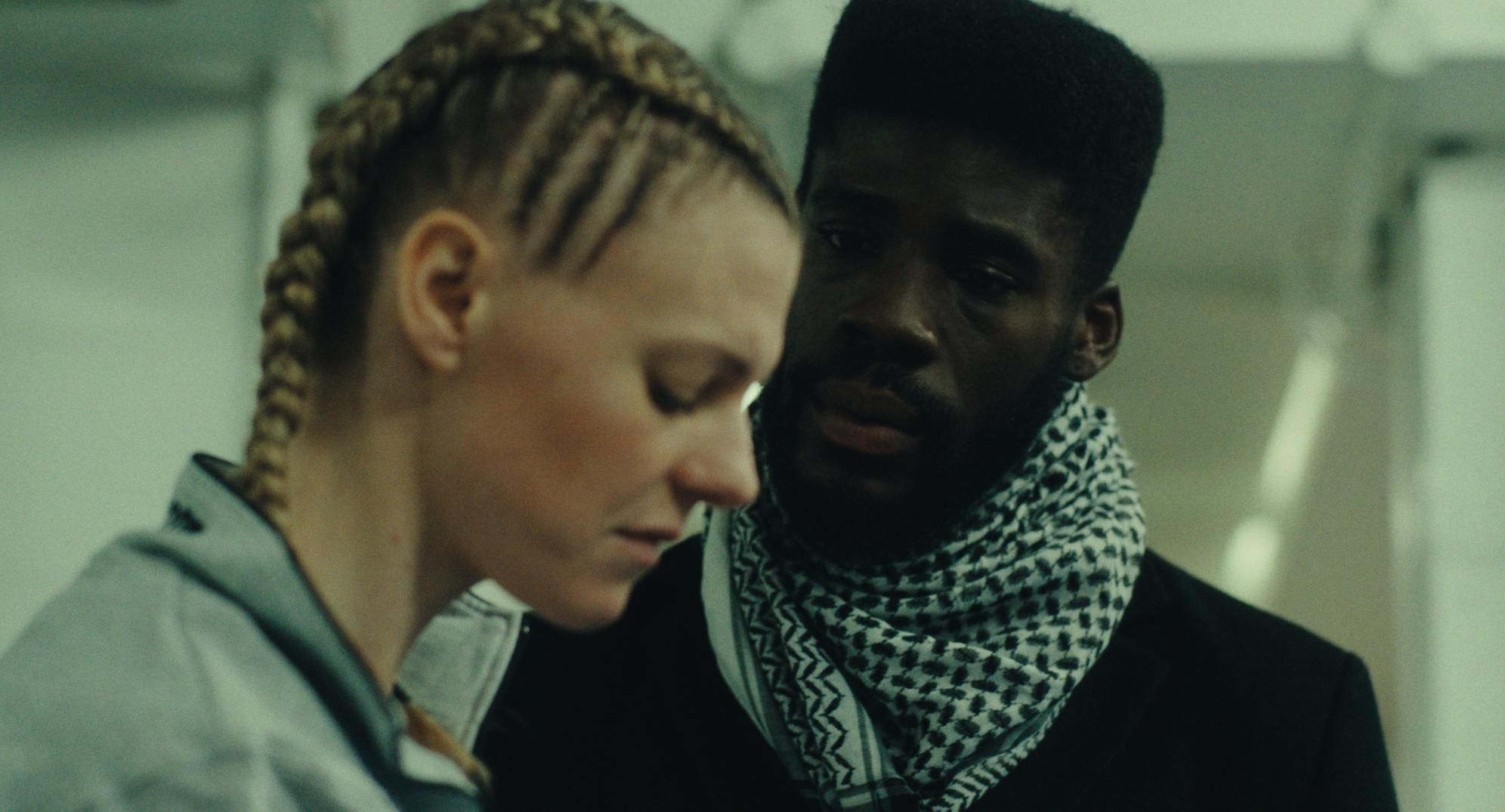
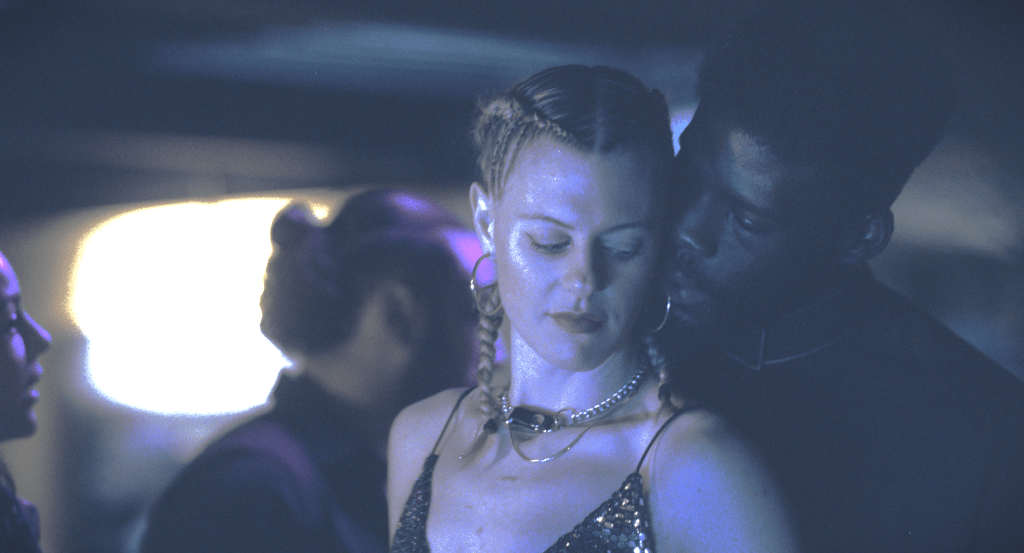
Let’s talk about the film Tramp. Izabella, you played the lead role. Can you tell us what you liked about this character and the challenges and joys you faced while playing her?
Izabella:
What I love about the character is her strength and resilience. She’s a fighter, but she’s also quite a quiet character. When you watch the film, you’ll notice she’s not loud or outspoken. There are moments of tension, but she’s more reflective. When Philip and I worked together on the role, we developed the complexity of the character. She goes into the ring to fight, which requires innate power, but she also has the power to observe situations and take control in a way that’s very different from her fighting style.
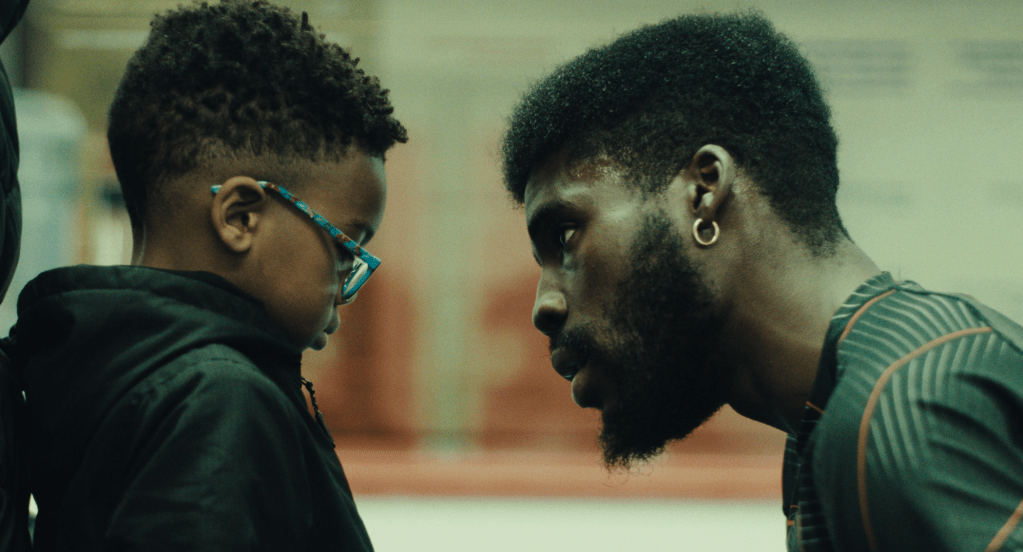
The situation with an unexpected pregnancy and raising a baby in that environment requires a different kind of strength—a quiet, internal power. I think that’s one of the things I love about her character. There are many roles for mothers in film, but they’re often quite stereotypical. Grayzna’s character, though, doesn’t fit into the typical mold. She has emotion, but it’s not expressed in the way you’d expect. The world of fighting adds another layer to her character.
As for the challenges, the physical aspect was definitely tough. I’m not naturally a fighter—I’m more of a dancer, and that’s how I trained. My body type is lean, and I’m a bar instructor, so I’m more into that style of fitness. But when you approach a role like this, you embody certain qualities, and you can make it believable through the way you move, your dynamic, and the intensity you bring. I was worried at first, saying, “Philip, I’m too slim. I’m not sure I can do this.” But my kickboxing instructor told me, “Fighters come in all shapes and sizes. It’s how you carry yourself that will make people believe you.” That was a really strong piece of advice.

Grayzna is a layered character, and I think that’s what makes her so interesting. As a woman, playing a character that’s not perfect, especially when it comes to motherhood, felt empowering. There are imperfections in the way motherhood is portrayed here, and that gave me a lot to work with as an actor. Much of my work at university focused on female body image, so taking on a role like this felt like a natural evolution for me. The work I created in fringe and theatre gave me the energy and hunger to dive deep into this character.

ALT A REVIEW:
What would you say were the main challenges in combining the fighting technique with the character’s emotions? I can see that when she’s in the ring, she’s fierce, but outside of it, she’s more subdued and introspective. Was the challenge in the training or the character itself?
Izabella:
The training definitely took me out of my comfort zone. I’ve always enjoyed playing characters with emotional depth or who have something going on beneath the surface. I love playing characters who are hard to read. That’s Grazyna—she’s not easy to figure out.
The technical side of the training was a challenge because I only had a couple of months to prepare before the first fight scene. But the amazing part of that was that I had Ruqsana Beghum, a twice-world champion, to work with. She was also my co-stars, Ruth. Ruqsana Beghum gave me invaluable guidance, and that first fight night, she helped me get into the right mindset. She said, “Don’t hype yourself up. Sit down, stay calm, and exude quiet confidence. Don’t jump around or throw punches. Be stoic.” That was a game-changer for me. Her pep talk gave me the authentic feeling I needed for the role.