

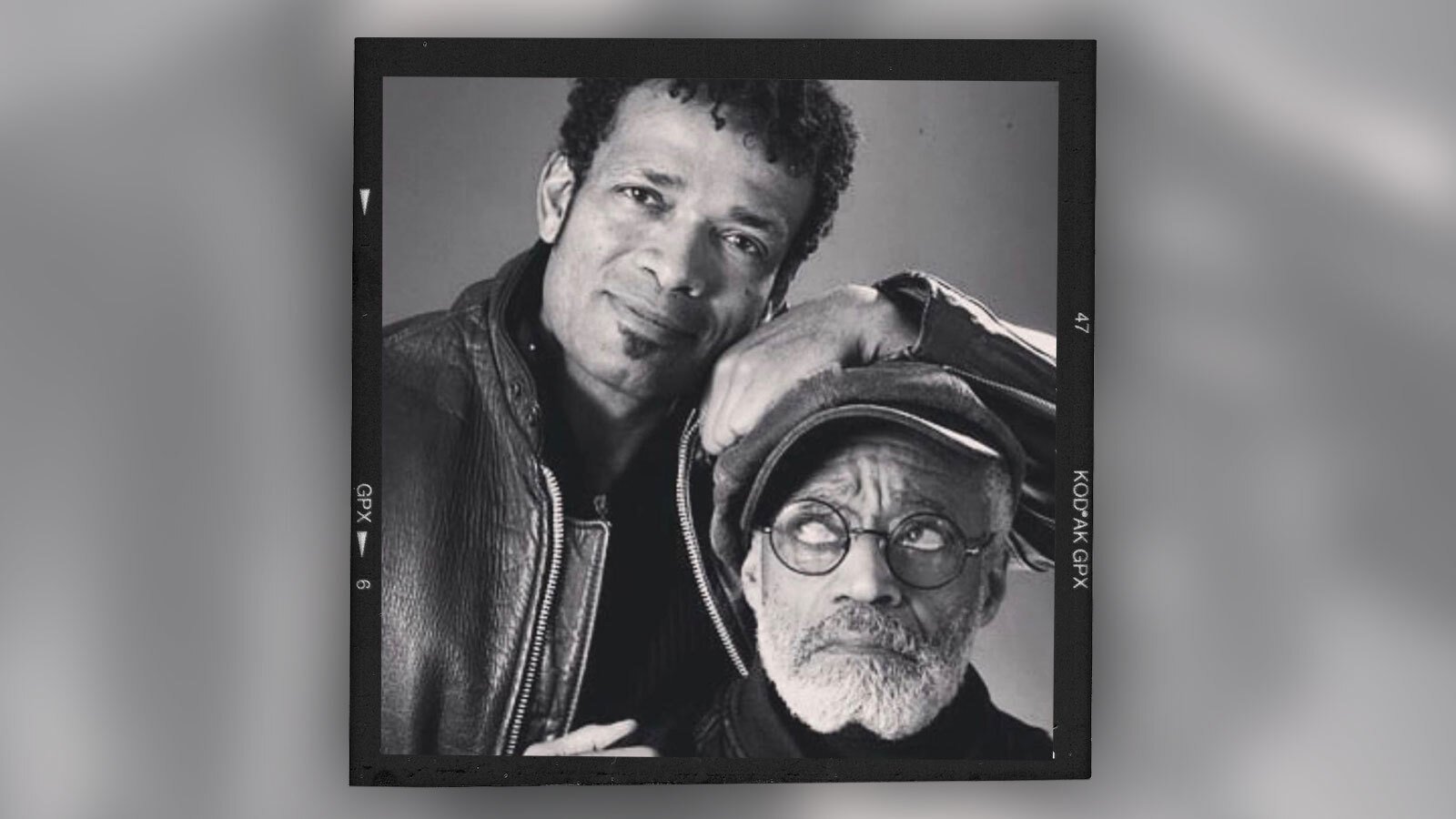
“I know that the modern day enslavers, colonizers don’t put chains on your body. The chains are on your mind. And the best way to free your mind is to control your own imagery, the imagination of what you can be. And so since I understood that, I set about making films that showed the range of who we could be, and that’s something I really learned from my dad.” Mario Van Peebles
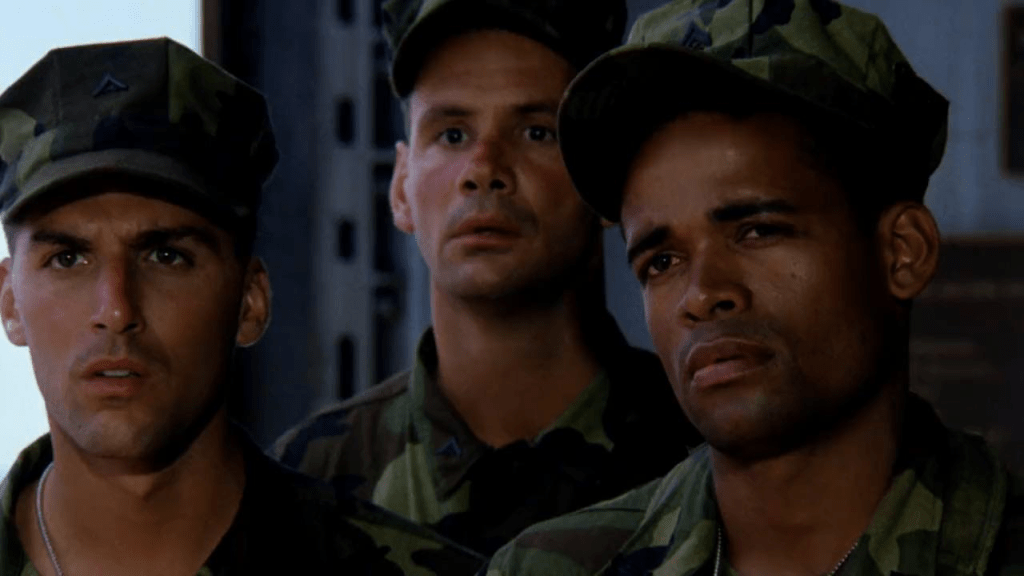
Mario Van Peebles is an American director and actor. He is best known for appearing in Heartbreak Ridge in 1986 and known for directing and starring in New Jack City in 1991 and USS Indianapolis: Men of Courage in 2016.
In a very candid conversation with ALT’s A REVIEW’s editor Joy Coker, Van Peebles discusses how his father, the legendary Melvin Van Peebles, taught him valuable lessons about overcoming racism and challenges as a Black artist in the industry. This shaped his approach to filmmaking, including giving prominent roles to Black actors in films like New Jack City. Talking about his interest in exploring Black cowboys and rodeo stories in his films Posse and Outlaw Posse he talks on how he aimed to showcase the diversity and real history of the American West that is often overlooked.
In making these films, Van Peebles brought together a multicultural cast and crew, emphasizing the importance of collaboration and finding “good allies” across different backgrounds. He used the Western genre to explore complex social and political themes around race, colonialism, and environmentalism. Van Peebles sees his filmmaking as a way to entertain audiences while also challenging perspectives and sparking conversations about important issues. Painting he says, with all the “colours” of the human experience, rather than limiting stories to a single point of view. This is part one the full interview will appear in the spring and summer print edition of ALT A REVIEW.
.
ALT A:
Growing up with Melvin Van Peebles as your father in the industry, what did you take from that that you use today? Maybe personally as a man, as a father yourself, and also as a filmmaker?
MVP:

I think so many things, and it is a great question to ask. I just finished a play called MVP that I wrote. It’s my last collaboration with my father. He wrote all the music and I wrote the connective tissue, sort of like a bar, a cabaret that sort of puts his work, his musical work in context and along with it has some of the beautiful life lessons that he taught us. And one of the things that he said was I asked him if having to fight just as an artist, just as an artist, to get your projects made and to see them come to fruition. If you’re white, that’s a struggle. If you’re a man, that’s a struggle. But to be a black man at that time did the added struggle of having to deal with the ism, sexism, racism, classism. Did that ever make him bitter? And he said, you can find the ism. Look, sexism, racism, classism, working in the post office.
You can find it working at a restaurant. So you might as well be in the business you want to be in the business you love and then make changes inside of that. And if you let anything make you bitter, it’ll ruin your art and it may end up ruining you as a human being. And so that was very valuable because he understood that good allies, good friends, good loves come in all colours and sizes and shapes and you can’t fight an ism like racism with racism. And you had to look at where people’s spirit was and don’t leave love on the table. And I think that was a really valuable lesson and I think it helped me as a filmmaker all along the way when I made my first film New Jack City, and this was in 91, which was crazily enough 20 years later after my father did Sweet Sweetback’s Baadasssss Song in 1971, I did New Jack City. And if you were a black actor at that time, you played the best friend to the white lead or you played the comedic relief, but you didn’t play the guy, you played the friend of the guy or the funny guy, but not the guy.
When I got the chance to do New Jack City, I went to Wesley Snipes who had been the best friend in Major League. And I said, this time in this film, I want you to be the guy. You’ll be our Pacino, right? Not the best friend, not the funny guy, you’ll be the guy. And later after that brother John Singleton went to Lawrence Fishburne who had been the best friend in Apocalypse Now and said, you will be the guy, not the best friend, the guy, and Spike with Denzel in Malcolm saying, we’re not going to do Malcolm through the eyes of the white reporter the way they did Bilko (Cry Freedom), you will be the guy. And it was after we as black men, as black people believed that we could be the lead. And then those movies made money that Hollywood said, oh shit, we can put Wesley in Passenger 57 now we can put Denzel in Pelican Brief. Now we can put Laurence Fishburne in whatever we’re going to put him in now. And so I was as a filmmaker, part of the game changing.
Interestingly enough, because I was also an actor and had been acting since I was 11, I was a part of the recipient of that change as an actor. So I was a part of making the change. And typically when you’re a part of making the change, you don’t get to be a recipient of it. But as an actor, I was able to suddenly now they’re putting me in, I can star in my own Western, I can play roles that we weren’t gifted with before and I could do crazy stuff like Solo where I’m basically Arnold Schwarzenegro (laughs). Do you know what I mean? So I learned to I think have a sense of humour about it all, but be a warrior too. Be a joyful warrior. Be someone that goes, I get the joke of life. I get the joke of this business. I understand the colonial powers are out there.
I know that the modern day enslavers, colonizers don’t put chains on your body. The chains are on your mind. And the best way to free your mind is to control your own imagery, the imagination of what you can be. And so since I understood that, I set about making films that showed the range of who we could be, and that’s something I really learned from my dad. And I also learned a very simple thing as a black man growing up in America. I learned that I could do it, I saw it, I saw it. You want to be the success you see. And because of Melvin Van Peoples and later Ozzie Davis and Gordon Parks, we saw it. And 20 years later after the kids like myself grew up seeing it, some of those kids would be Singleton, some of them would be Spike Lee, some of them would be the Hughes Brothers, someone would be Tarantino. We would be too young to know that that dream was not supposed to be for us. And that’s okay. We did it anyway.
ALT: Fantastic. I was going to actually ask you on New Jack City, with the recent passing of Barry Michael Cooper. What does his legacy mean as one of the writers of that film?
MVP:
Right. I did a post on Instagram that you might want to check out where I spoke at length about Barry. When I did New Jack, that was my first feature film. I had been directing and grown up with a director, but since my bread and butter was acting, I didn’t talk about directing when I was behind enemy lines. That made no sense. It’s like being pregnant. You don’t talk about it until you start the show. You know what I mean? So I think people were surprised they didn’t know that. I had, as my dad had said, luck is preparation meets opportunity. I was very prepared having grown up in it, having done it, directing my TV show and Wise Guys and 21 Jump Street with Johnny Depp. So when I got my first chance to direct, I was born at night, but not last night I was ready.
I was lucky, but I got the opportunity. So luck is preparation meets opportunity with Barry, it was his first feature as well. And I quickly realized that Barry, he was like a ghetto Shakespeare, he could capture the voice of that brother or sister in the street and as I said in my post so he could get the sort of internal workings of a character, but at the same time have a socio-political sort of zeitgeist understanding it from a macro perspective as well. And so, the two difference would be, like I said, is Nino might say, “sit, your, ass down before I make change”. But he also might later say, recognizing that the America’s built on the colonizer’s gangsterism, taking Native American land and kidnapping black folks to work and all the stuff that they did. And that’s part of the legacy of our country, why we have so many issues, because it’s hard for us to put that all in one bag sometimes was that he says, so Wesley’s character, Nino Brown says we’re going to make our money the old fashioned way, like the colonizers did, the Kennedys, the bootleggers, and we going to gangster our shit.
And the Duh Duh Duh Man who’s not a politically savvy brother “goes the who”, and they all laugh. So what we were doing in New Jack City was, if you imagine it as a table, we were setting a place at the table for all of us. Those who had a political consciousness, those who didn’t, didn’t mean one was better than the other. If you don’t know now, you know, if you figure it out, you research it. Nothing wrong with being ignorant, it was something wrong with staying ignorant. Find out, read a book, figure it out. So part of what Barry did was he would make it simultaneously accessible to different folks depending on their level of consciousness. They could come into a film and go, oh shit, I can get with this, I can get with that. And a gangster film, typically you emotionally connect with the gangster godfather, you connect with the gangster, even Scarface.
But in New Jack City, yeah, you connect with the Nino Brown, with the gangster for sure, but you also have viable role models to say yes to as the cop. And in the middle of that, since crack is a killer still in the black community, you have the victim so that the crime wouldn’t be emotionally victimless. People are also connected with Chris Rock’s character. And that’s better that we would get in there and say, okay, Barry, it’s very important that we get the audience invested, not just in the gangster, but oh wow, that’s the cost of this endeavour to the community. Yes, you can make your money the old-fashioned way like the gangsters did, but if the cost is genocide of your own people, then that is the betrayal of your own people. And that’s not acceptable. And so, part of what we wanted to do was in New Jack was present the complexities of the New Jack world,
And a lot of that was buried. There’s a great line in Kipling’s poem if where he says, talk with the crowds. No, lose your virtue. Walk with the Kings. No lose the common touch. Barry could capture the crowds and what they were vibing on, but he could also capture what the king was vibeing on and connect the dots. That’s a unique ability.
ALT A:
I mean obviously New Jack City is like a cult movie now and everyone’s waiting for another movie, but talking on making movies and representation, can you take us on a bit of the journey of your interest into the Black Cowboy and black Rodeo? How did that manifest?
MVP:
Yeah, my first break in the movie was with Clint Eastwood directing Heartbreak Ridge. And again, like I said, my dad had said, good allies come in all colours. Clint doesn’t vote like me, doesn’t look like me, but he took me in, man, I got to say that. And my mentor, Stephen J. Cannell, did the same thing again, didn’t look like me. He didn’t vote like me, took me in. And those guys helped me win. They helped me get the opportunity. Steven in particular gave me the opportunity to direct my TV show and then later to direct other shows for him, like 21 Jump Street and WiseGuy. So part of what we do is about not dealing with cables and lighting and scripts. It’s dealing with people. It’s having people skills. The people skills to say, no, I am not going to that P Diddy party. No, I’m good.
I’m not going to that. You know what I mean? I’m not going to go to this. I’m going to take my ass home. I don’t need any extra bullshit to slow me down in this life. You know what I mean? I’m good, right? So, part of its knowing when to hold him and knowing when to fold him. But when I did that job with Clint, we were talking about westerns and he was saying, we were talking about how literally almost one out of three, one out of four cowboys was black, and yet you didn’t see that portrayed in our films and westerns, right? And so the westerns that we, a lot of folks saw early on were made in the fifties and they were made by the dominant culture. And if you were a female, you were pale and frail and you needed rescuing. If you were black, you were scared and shuffling.
If you were Chinese, Asian, you were the deferential house boy, hosing, getting your butt whooped. If you were Mexican, you were the oily bandit who didn’t need no stinking batches. And the only good Indian was a dead Indian. So if you weren’t white and male in those early westerns, man, you were out of luck. You were getting marginalized. And so I thought after New Jack City, I got lucky. And the I movie made, worked out, whatever seat you’re sitting in when the music stops, I’m sitting in this seat right here and it’s got director written on it, but it’s also got actor written on it, right?
So it’s director, actor. So I’m sitting, I’m saying, oh shit, look at the seat I’m in. Okay, so that means that Hollywood, it’s not just white or black, it’s complex, says, oh, this negro can make us money. That’s what it means. Doesn’t mean it’s Negroes talented. Doesn’t mean we like him, doesn’t mean we don’t like him, it just means he made money so we’d be stupid not to try to make some more money. So they came to me and they said, we should maybe do a New Jack two. I said, well, I know that we can shoot each other in the hood, but how about this? The first 44 settlers of Los Angeles, 26 were African American. How about we do a black western, a multicultural western, not just black folks, but all of us the right way, the real way because the Chinese built the railroad, the black folks tamed the west. I mean we were all there. Women was bad. You had Stagecoach Mary running her own stage coach line. You had some bad sisters, man, some bad white women too. And of course our Native American brothers and sisters who always get short changed. So they said, man, why do you want to make old Jack City?
Why you want to make boys in the saddle? And I went off and I said, okay, cool. So I did the Western and it was just an amazing experience. The first brother I ever saw in a Western who didn’t shuffle was a brother named Woody Strode, I saw Woody in Spartacus and Sergeant Rutledge and of course Once Upon a Time in the West in the opening. So I said, if I can have Woody Strode in my Western, that’d be so dope. We owe so much to him. And I wanted to show our lineage because often we short change our own history. Not only do they write our history out, but we sometimes get so immediate in inventing culture and creating new stuff that white folks later inhabit that we forget to honour our own. So I said, oh, y’all let me call up Woody Strode. So I got in touch with Woody Strode. He was 84 and I think he might’ve thought I was my dad because he focused on the Van Peebles name.
And so I called up Woody Strode and I said, Mr. Strode, this is Mario Van Peebles. He goes, van Peebles? I said, yes sir. And I said, listen, I have always been a fan of your work. I’m doing a Western, I have a character I’d love you to consider. And he opens the movie and he’s got all the knowledge and he says, well son, I’m not really doing Westerns anymore. I said, no, but this is a different one now. And he said, well, I said, would you just take a look at a couple pages? So he said, okay. So I had a production assistant standing by. I said, take the script over to Mr. Strode and wait in your car outside his door. Do not move. You wait right there. So he brought the script over I wait I wait, wait, five minutes later the phone rings, it’s Mr. Strode, it’s Woody Strode. He goes, this Van Peebles? I said, yes. Now the opening of the movie starts that with the Woody Strode character saying, “history’s a funny thing, they got us believing that Columbus discovered America. Now that’s like me discovering your car, even though you’re already sitting in your own car. That’s me discovering your car and putting my flag on your car, and then I’m going to call you an evil red savage if you don’t get out of your own car quick enough”.
He says, son, are they going to let you say this kind of stuff? I said, sir, Mr. Strode, in this particular case, I am the they. And then he said, well, if you are the they, then I am in. And we got Woody Strode So then I said, okay, dope. Now we got Woody Strode, but he’s got give the knowledge to a future generation. So who should play that? And since they were always trying to get us as black filmmakers to compete with each other, and I’m not about to give them that, hell no, right?
I said, I’m going to call up the Hudlin Brothers. These are beautiful cats. They’re filmmakers. They made House Party. So I called up the Hudlin Brothers. So the Hudlin brothers come in and they play the reporters along with the white kid who was the writer on the show. And so Woody Strode gives the Book of Knowledge to Reginald Hudlin. Then in the movie I said, I want Woody to represent the posse of the fifties. I got to have the posse of the seventies. So who can I get? I got Isaac Hayes, I got Pam Greer, I got Lawrence Cooke. And I got Melvin Van Peebles. And so I had the posse of the seventies, and then I said, now who’s the posse of the nineties?
Well, that’s going to be Tone Loc. I called up Blair Underwood because again, they try to get brothers to compete with each other. I said, this is a great looking brother. He’s bad, he going to be in. I called him up, got myself in there, got Sally Richardson in, and then I said, you know what? I need a couple cool white guys. So I said, who could I get? So there’s always a Baldwin for your budget right now. We couldn’t afford Alex. We couldn’t really get Billy, but we’d get Steve Baldwin. Steve was so good and so fun. And so I got Steve Baldwin and then I said, lets get the best looking white man on the planet. And that was Billy Zane and still is Billy Zane.
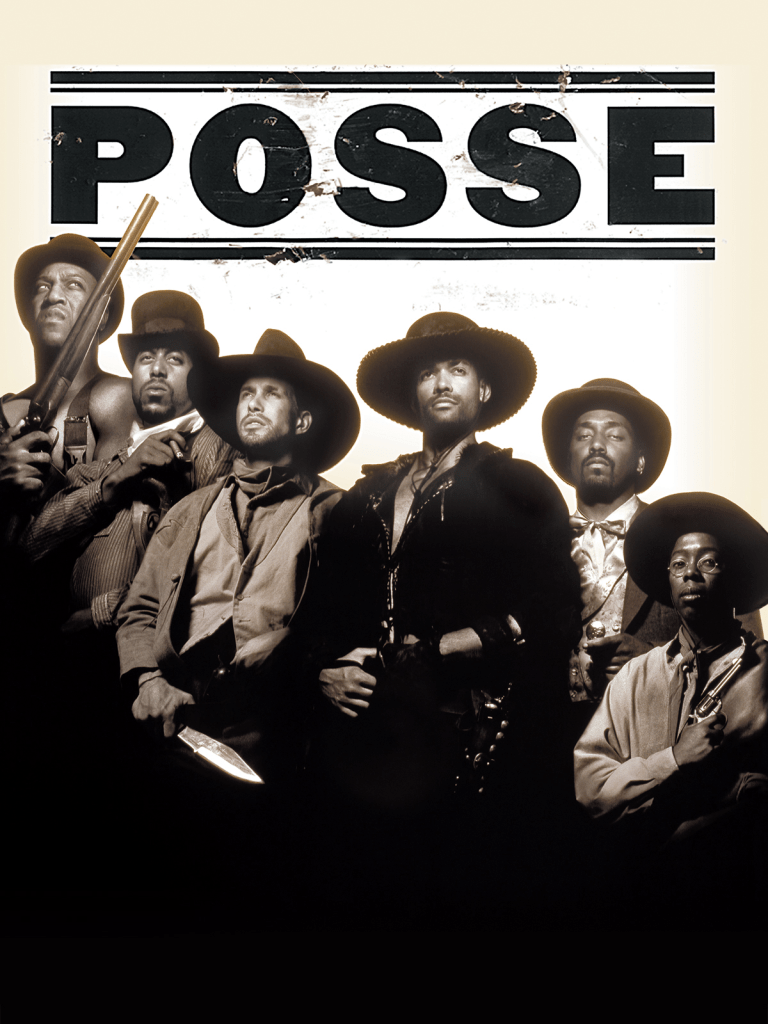
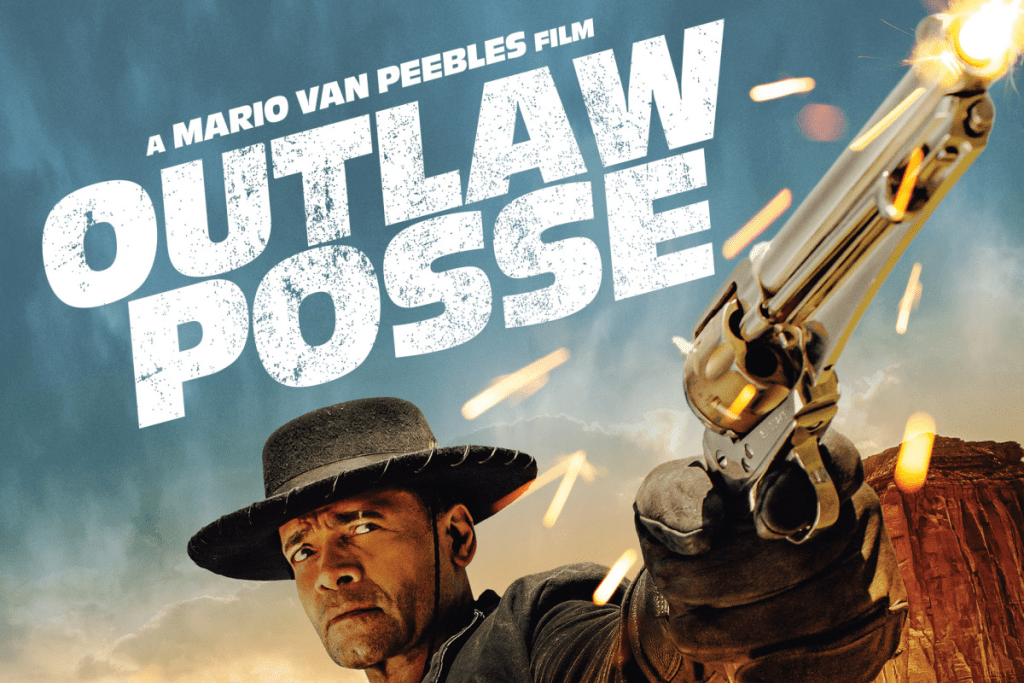
Billy came in and he was going to go off and do Titanic, and he was just awesome, man. And so we just had a really great big cast and of course got Big Daddy Kane. And then another one of the directors, I got Maddie Rich, I got Charles Lane and my mentor, Stephen J. Cannell came in. He’s the guy that first gave me my first directing job and I got him in as a gambler and then his daughter became my assistant on the show. So it was just family. And it’s not just genetic biological family, it’s the human family. Some straight, some gay, some Republicans, some Democrats, some whites, some blacks, some males, some female different ages is being able to play with the other kids on the block and make something with love, make a gumbo with love. And I thought this Western was, we made more westerns than the other films in our movie industry. And this was the first one that I saw that really had all the flavour. I love to paint with all the colours, like my own family. I got every flavour in my family. I don’t want to paint with just grey or black. I’m painting with everything. And when I did that movie, of course my dad was with me and I didn’t have children yet. And years later when I did Outlaw Posse, I didn’t have my dad, but I had one of my children in it who’s a cowboy, Mandela Van Peebles. And I went to Sister Whoopi Goldberg to play Stagecoach Mary (Mary Fields), and she looks like Stagecoach Mary.

And then Cedric the Entertainer and DC Young Fly and Allen Payne from New Jack City. And again, we brought the love and we brought everybody together and we made a Western. So I did Posse 30 years ago, and then recently Outlaw Posse. And both those films will be showing at the British Film Institute. And it was about that time in the West when America was fresh and young and had crazy potential.
And yet we were very divided. And as they say, history doesn’t always repeat itself, but it does rhyme. We’re dealing with a lot in America right now and we’re being divided and we have to overcome that. And like in Outlaw Posse, we have a mixed race group of folk that are like, nah man, we want justice. We’re going to make it happen, and we are not going to sit around and talk about it and complain about it. We’re going to do something about it. And there’s something about being in the West and picking it up. This time in Outlaw Posse, we have some badass sisters in the saddle, and I’m very proud of that. That’s from the heart.
ALT A:
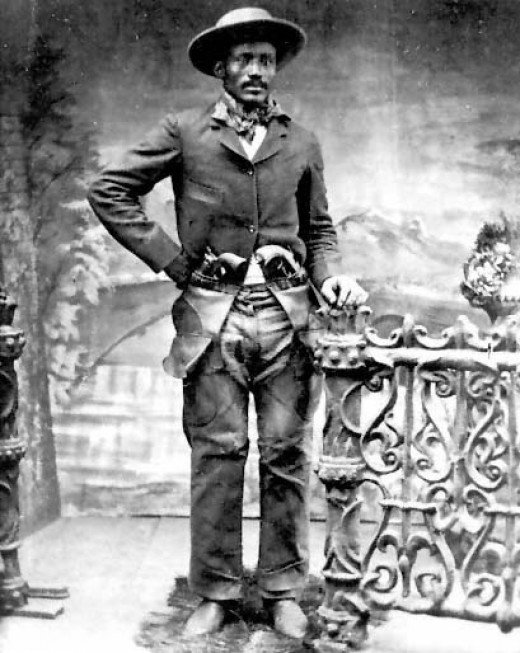
You mentioned Stagecoach Mary. So who are some of the real cowboys that a lot of us may not know about?
MVP:
Well, it’s good you asked because at the end of Outlaw Posse and at the end of Posse, I show some of the real pictures of the people we’re portraying. So at the end of Posse, you see Isam Dart, you see Rufus Buck you see some of the black Cowboys, of course, the one who wrote a book and a legend of Deadwood Dick. So you see some of the real black cowboys. And at the end of Outlaw Posse, you see some of the real black women as well, like Stagecoach Mary and Stagecoach Mary was the first woman, I think second person to have a deal with the US Postal Service.

Driving her own stagecoach up through Montana. And she had a big cigar and a big shotgun, and she didn’t take no stuff. And Whoopi Goldberg called me up and said, I’m playing this role. And I said, yes, you are. And what we didn’t try to glam it or Hollywood, we played her. You see the real pictures at the end. We didn’t make everybody cleaned up. This is not a music video. This movie has got gritty and earthy and as much more realistic people did not have Obamacare back then. And my son’s in the movie too, playing my onscreen son. As he said to me, he said, dad, what’s so interesting about playing father and son onscreen is that we don’t have to fake the love that’s real. We don’t have to fake the respect that’s real, and we don’t have to fake the drama fathers and sons and daughters family, you got your drama, man. We don’t have to fake that. In fact, there was one scene he did the scene so well. I said, are you pissed off at me today? Is there something? He said, no, we good we good, we good. I’m just playing this role. I said, okay, man. And a lot of it in Outlaw Posse, we didn’t have a lot of stunt guys per se. We had some, but we did a lot of the riding, a lot of the moving ourselves. So everyone had to go to cowboy school. Of course, I ride and I had done a lot of my stunts from Posse back in the day,
But my son’s a cowboy and there’s no CGI on that stuff, and we in there do it. So I think there’s something about seeing it and feeling that people really know what they’re doing and they’re comfortable because it’s not just about when you go to do take two, it’s not just walking back and saying, okay, let’s go to take two. You got to ride your horse back and then come around. And because I was actor director, that actually makes it easier to be inside of the frame and inside of the Posse, because it’s the director, I’m also leading him. And so then my horse takes that role and they fall in naturally and it becomes very organic.
ALT A:
As you mentioned, America, I mean globally, it’s very divisive and very divided. So what as a director do you want people to take from the stories that you make on what kind of stories do you like to make? Because I know you’re very much an on representation, so could you talk on that?
MVP:
Yes. Well, in particular with Outlaw Posse, there comes a point where the antagonist not only has an environmental consciousness of sorts, the love of classical music, but he’s also a white supremacist. And he articulates that as they did, and as they do now, he’s very much Project 2025 before I knew about Project 2025. So it’s almost like you go, oh my God, we didn’t know how spot on it would be. But I was taking things that I had read in history and saying there was a belief that when I believe that the isms are related. So if I will oppress people over race, and I will get a whole doctrine going saying, well, anyone of colour is less godlike because God looks like us, God’s white, so therefore and male. So anyone who doesn’t look like that is less godlike. And so therefore you can oppress them because they’re savages and make them do this and do that. So if you’ll oppress over race, you’re going to be able to legitimize for yourself oppressing over gender.
Black Rodeo: A History of the African American Western runs at BFI Southbank in February and March.