

….”what does it mean to have a billion dollar video game company be able to capitalize off of something that comes from a black space of creativity?”.. JEREMY NEDD
Fierce Festival will be back with a bang with a six day programme of daring international contemporary live art and performance – the first curated by the new Director (Artistic), Clayton Lee.
Bringing over 15 productions from 9 countries to Birmingham for a week of unforgettable performances – happening over 6 days across the city centre, including 9 UK premieres and 1 world premiere! It’s going to be bold, challenging, moving and joyous bab!
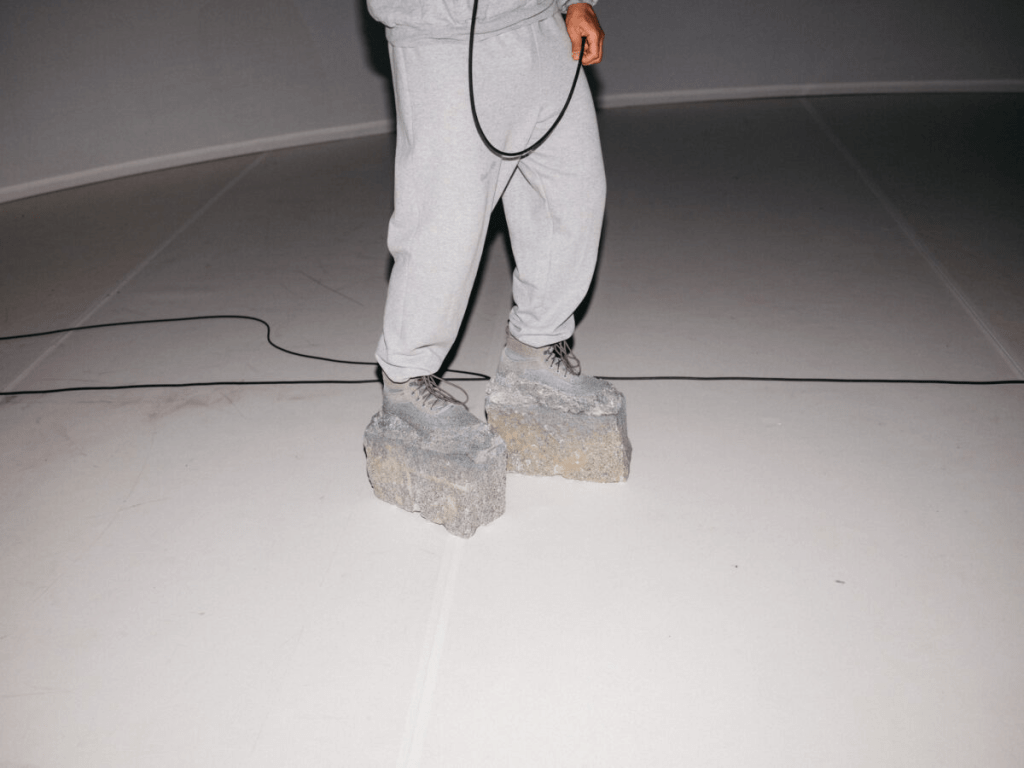
One of the those performances is from rock to rock …aka how magnolia was taken for granite by the celebrity dancer and choreographer Jeremy Nedd bring his own flavour dance to the festival. ALT caught up with the Brooklyn native who now resides in Basel to talk about his production. Crescent Theatre, Main House
Presented with performance, possession + automation 75 minutes | £15/13
ALT: How did you find dance?
JN:
I started at a relatively young age and that I had always had an interest, I guess I always enjoyed dancing, lots of photos of me around the house, dancing and stuff like this. But it was more that I guess I was chosen to pursue dance by an inner city school, and they kind of just give lessons to children at a very young age, like eight or nine. They took them all in the gym and they wanted to see who had the potential to pursue, I guess a ballet training. So I was one of those kids and I just kind of stuck with it over the years. And then, yeah, here I am still involved in dance, dancing, making dances.
ALT:
Tell us a bit about from Rock to Rock, what is the concept and what is the inspiration?
JN:
Well, I suppose the inspiration is, it’s based in my, I guess my movement practice is very much based in making dances, thinking through dance forms that tend to come from black spaces of creativity, perhaps I might say marginalized spaces, be it social dances or really found, I guess a lot of things are found in institutions now, but what might not usually be associated with institutionalized dance. So the concept of from rock to rock came across this. I’m a big fan of hip hop music originally from Brooklyn, New York, so it’s kind of like something I’m raised on. And I guess I’m also very in tune with viral dances and all these kind of trends that kind of pop up on social media and stuff like this. And I came across this article or this controversy from, I guess a Brooklyn based rapper to Millie Rock who has this dance to rock.
And then there was this whole moment when this video game Fortnite picked up or started using all these dance moves, and they were kind of just freely using them without giving much acknowledgement or credit to the creators of the dances. And then this sparked a lawsuit and also just, it sparked a question in my head, okay, what does it mean to have a billion dollar video game company be able to capitalize off of something that comes from a black space of creativity? But then when it comes back to, I guess the creators or the folks who can kind of claim creativity to these things have no type of connection to any compensation. So I was just in that kind of got a couple wheels turning and then became a bit more intentional about thinking about, okay, well what would this look like on stage? Or not really a narrative about it, but just I guess what would it look like if you just have this dance practice and that you really use it intentionally and it is something that you can protect through copyright law and stuff like this. So that’s kind of where it all began.
ALT:
Tell us this new dance that you created for the Millie Rock, Where would you say maybe the rhythm and the beats come from?
ALT:
Well, I mean the rock, I mean, it’s a product of a hip hop song, so I guess it’s very much part of this whole contemporary moment where you have a song, there’s a dance that folks do to it and then just goes viral. So I guess a lot of things can be traced back to a two step, and it’s two step you can trace even further back. So I guess, but at its base, I think kind of has this very contemporary urban dance connection to it. So I guess that’s where it kind of comes from, where it’s born, it’s from Brooklyn. Yeah.
ALT:
And talking about Brooklyn, how did you get from Brooklyn to where you are based Basel?
JN:

I got here because of dance. I just wanted to use my craft, my art, see other parts of the world, and somehow it brought me to Germany. And then I lived in Germany for a couple years, and then when I left Germany, I was still interested in staying in Europe. And then somehow I had a friend working here and said, come check out the theatre. So I worked for the local theatre here for a couple years, and then after a few years working there, I went on to just focus on my own work. So it wasn’t planned to be in Switzerland all these years, but it kind of worked out quite nicely and still here.
ALT: What excites you about showing your works at Fierce?
It’s nice because our family in the UK, a lot of the Caribbean diaspora is definitely there. I got a lot of family in London, so trying to get some folks to come up to Birmingham and to hang out with us for that weekend. It’s really nice to be able to show work there and to be in dialogue with people who I think the work will speak to. So that’s really cool.
ALT:
And talking about what the work could speak to, if you could influence what an audience or takeaway, what would you like that takeaway to be?
JN:
I’m interested in making work that speaks to a POC experience, and I think it’s really cool and people who come from that experience feel addressed in the theatre. And it’s not only addressing them, but when they see work that speaks to them specifically, it rings differently. So I think that’s the huge takeaway from being able to enjoy, hopefully enjoy the work or being to have that encounter that you feel that you’re addressed and spoken to. And even though a lot of the, I guess what’s it called, the jokes or the underlying themes might be kind more of like a black US American experience, but might I think through hip hop culture and social media and viral culture, there’s a lot of cross-pollination. And I think it can relate also to the folks in the UK for sure.
ALT:
We always talk about how industries evolve in terms of diversity. So you’ve been around for more than a minute since you’ve been in the dance industry. What have been some of the positives you’ve seen in terms of representation, in terms of some of the bigger spaces playing bigger venues and how dance is also perceived and specific kinds of dance?
JN:
I think the project is a testament to that expansion, that broadening of what’s possible in these spaces. And I think for me, it’s important to do work that anything can happen, anything can be considered contemporary or virtuosity, but I think it’s important to make space for all those possibilities. And I think this project is definitely one of those offers that it is about showcasing different bodies, a different way of moving through space that might not be usually associated with these theatre or any theatre that’s maybe a bit more bound up to more classical or modern forms. So I think it’s really cool to have those opportunities to share different ways of moving through space in these spaces.
ALT:
What would you perhaps say to that young dancer out there in terms of getting into the industry and success to maybe some advice of how to manage that wanting to be able to see this as your job and to earn a living, which means you are successful?
JN:
I mean, anyone who goes into the arts, it’s like it ain’t easy. It ain’t about the money. So it’s about finding your community and finding your joy. I think in a lot of the projects I do, I’m fortunate enough, like I mentioned before, to have really amazing collaborators and that’s on and off the stage. And in this piece in particular, I’m lucky enough to be surrounded by really close friends in different walks or from different walks of my life, and I was able to bring them together and then just know that because they’re good people in our personal relation that we would have a good person or a good relation as a collective. So yeah, I think that’s the one thing I would offer. I would say, yeah, find joy in whatever you’re practicing and find community and hold on tight to that. I think that’s what makes the road a little bit easier for sure.
ALT:
So tell our audience why they should come down to this.
JN:
Yeah, a good show. If you like viral dances, if you can appreciate an exploration of a move based in the whole hip hop vernacular. And if at heart you have a special place for post hip hop culture and it’s interesting exploration of that world of social dances and also just black joy, I think there’s a lot of that on stage as well. So yeah, if that appeals to you. Please come by.
ALT:
Wonderful. And what next?
JN:
What next? Oh, I don’t know what next is going to be a bit of a break where we just came off of a long tour of this other project. I’ve worked a long time with a collective from South Africa called Ula, and we just finished about a two month tour of another project.
Explore the programme below. Click here for the day-by-day schedule.
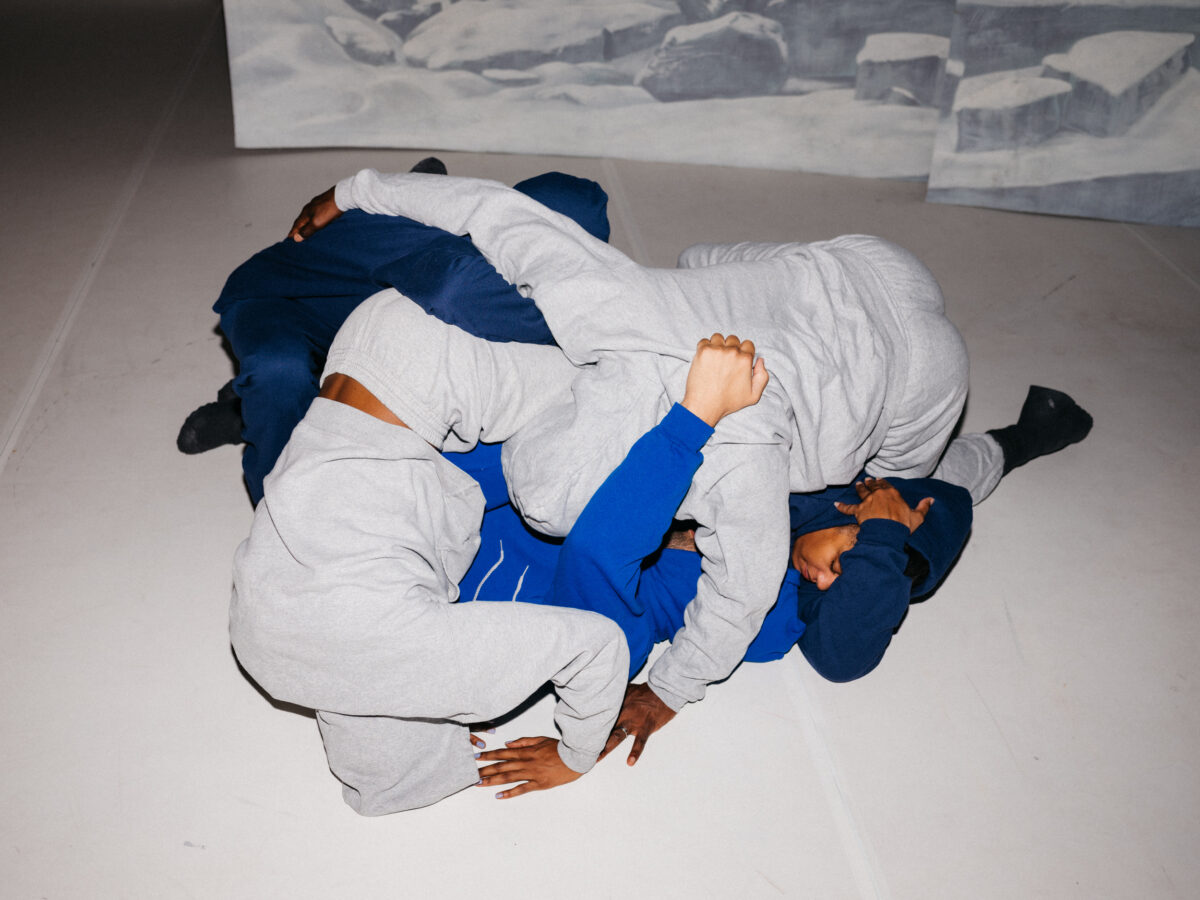
Inspired by a rapper’s copyright lawsuit against a video game company, Basel-based choreographer Jeremy Nedd’s latest work explores a dance move known as “the Milly Rock.” Five performers (including the multi- talented Brandy Butler, Zen Jefferson, Nasheeka Nedsreal and Serge Desroches) examine the Milly Rock, a dance move inspired by the rapper 2 Milly. Get tickets for the event CLICK HERE:
In doing so, they search for the hidden poetry and virtuosic freedom found in social and viral dance moves. Taking a look into the “algorhythm” of marginalized movement languages one asks: can a dance move belong to anyone? And, when yes, who actually profits from it?
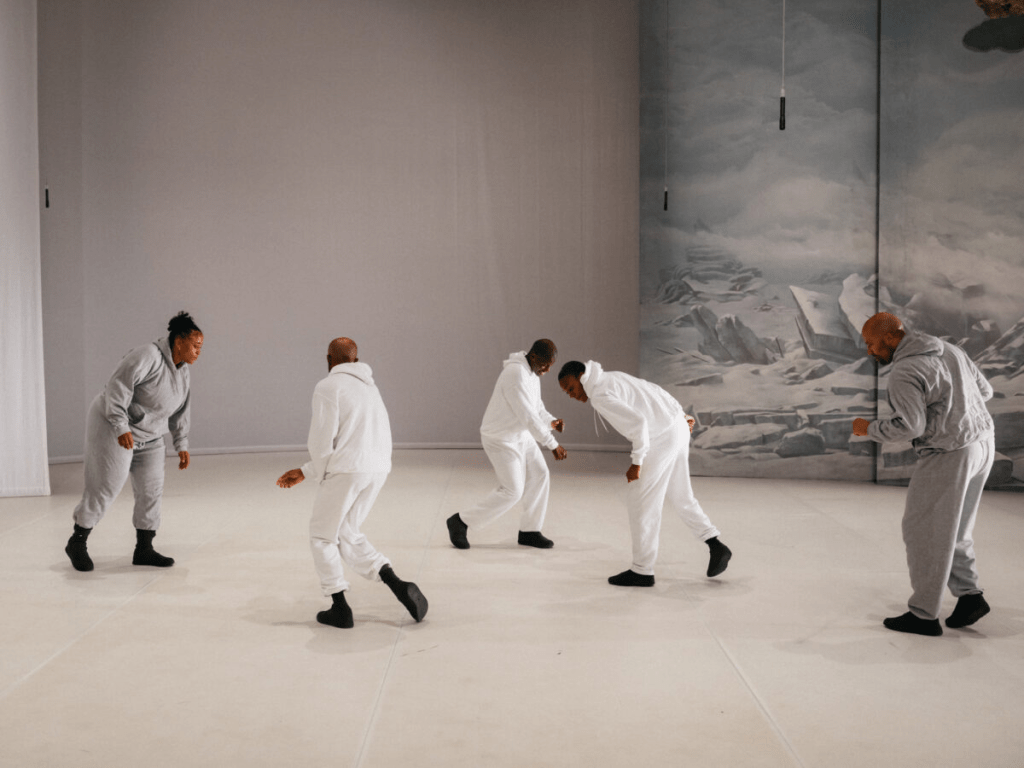
from rock to rock …aka how magnolia was taken for granite is included in our Bear (AKA Full Week) Pass. Click here for more information about our passes.
Credits
Concept/Choreography/Performance: Jeremy Nedd
Performance: Brandy Butler, Nasheeka Nedsreal, Zen Jefferson, Jeremy Guyton
Technical Management & Lighting Design: Sebastian Sommer
Stage Design: Laura Knüsel, Jeremy Nedd
Sound Design: Fabrizio Di Salvo, Rej Deproc, Xzavier Stone
Dramaturgy: Anta Helena Recke
Choreographic Assistant: Kihako Narisawa
Production: Caroline Froelich (Moin Moin Productions)
Touring: Caroline Froelich (Moin Moin Productions), Arina Frölich
In coproduction with Kaserne Basel, De Singel Antwerp, DDD – Festival Dias da Dança Porto, Gessnerallee Zürich, Les Halles de Schaerbeek
With the kind support of Fachausschuss Tanz & Theater BS/BL, Ernst Göhner Stiftung, Jacqueline Spengler Stiftung