

Chelsea Flower Show
Titled Abeba Esse, the garden will depict a Black Diasporic journey, from Africa to the Caribbean, and ultimately the UK. Visitors will be led down a path through changing landscapes, encountering Ové’s Invisible Man sculptures along their journey. The African section reflects the idea of ‘Paradise Found’, which Ové describes as, “An autochthonous verdant, jungle scene, where plant life grows untamed in a raw and natural state.” Yet here, visitors will incongruously encounter a rocket ship sculpture, which takes influence from Afrofuturism, and invites the question ‘what is happening here?’

Moving into the Caribbean, visitors will see a change in the native lush flora and fauna of the islands to that of tilled earth with planted crops, typical of slave plantations. The gateway is marked by a change in the path – from the dark soil of the African jungle, to wooden planks that reference the slave ships that carried many through the infamous Middle Passage.
Finally, they will reach a quintessential English garden, featuring the kinds of plants found in stately homes and country houses, indicative of the power and wealth accrued in the UK through slavery. Throughout the garden, botanical labels record the names of historical figures, institutions and corporations who benefited from investments in slavery.

The garden, designed in collaboration with award-winning garden designer Dave Green, encourages important conversations about the themes central to Ové’s work – the African Diaspora, contemporary multiculturalism, globalisation, and the blend of politics, tradition, race, and history that informs our identities. Ové stresses that revealing and heralding the histories and skills of those that were rendered invisible is an important part of writing an inclusive history. He comments, “History can and should be accessed in different ways, so as to engage a variety of audience and educate and inform through unexpected mediums such as a flower garden.”
Its name – Abeba Esse – is derived from two palindromic words. Abeba – from Ethiopian, meaning flower and Esse – essences, the essential nature of something. Palindromes are read the same backwards as forwards – and that continuous movement is something that is echoed in Ové’s artwork, through time travel and the readdressing of the past to the present and the future.
Reflecting on his hopes for what visitors will take away from the garden, Ové says: “History is alive and with us every day, the past is the food on our table and the roof over our head. How we got where we are is often obfuscated by the way in which history may have been told. Here visitors have journeyed with the Diaspora and joined together with the sculptures to examine a past that has remained hidden yet beneath our very feet.”
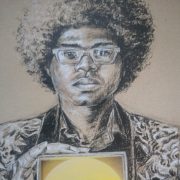
Dave Green is an RHS Gold award-winning garden designer. With over ten years of experience working with the RHS, he specialises in creating beautifully tranquil escapes with an exceptional eye for detail.
Coming soon ALT Editor talks to ZAK OVE!!
You might also like: Ncuti Gatwa – The Fifteenth Doctor | Season 14 starts on BBC iPlayer available now