

Nigerian Imaginary
For the 60th International Art Exhibition of La Biennale di Venezia, the Nigeria Pavilion presents Nigeria Imaginary, commissioned by His Excellency Godwin Obaseki, Governor of Edo State, in partnership with the Federal Ministry of Art, Culture and the Creative Economy.
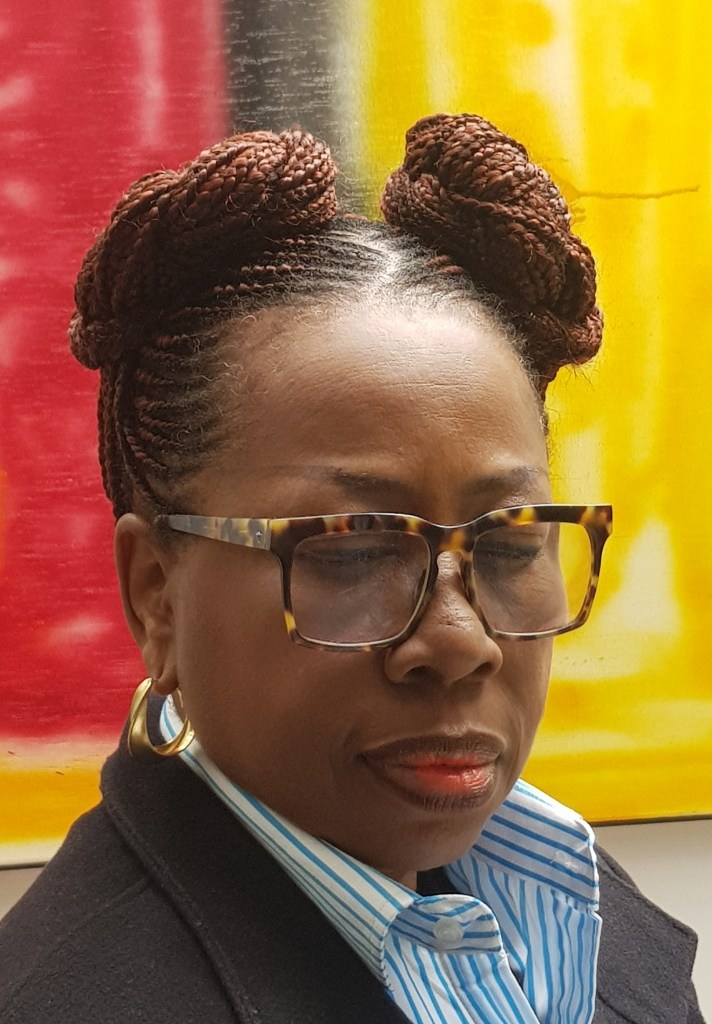
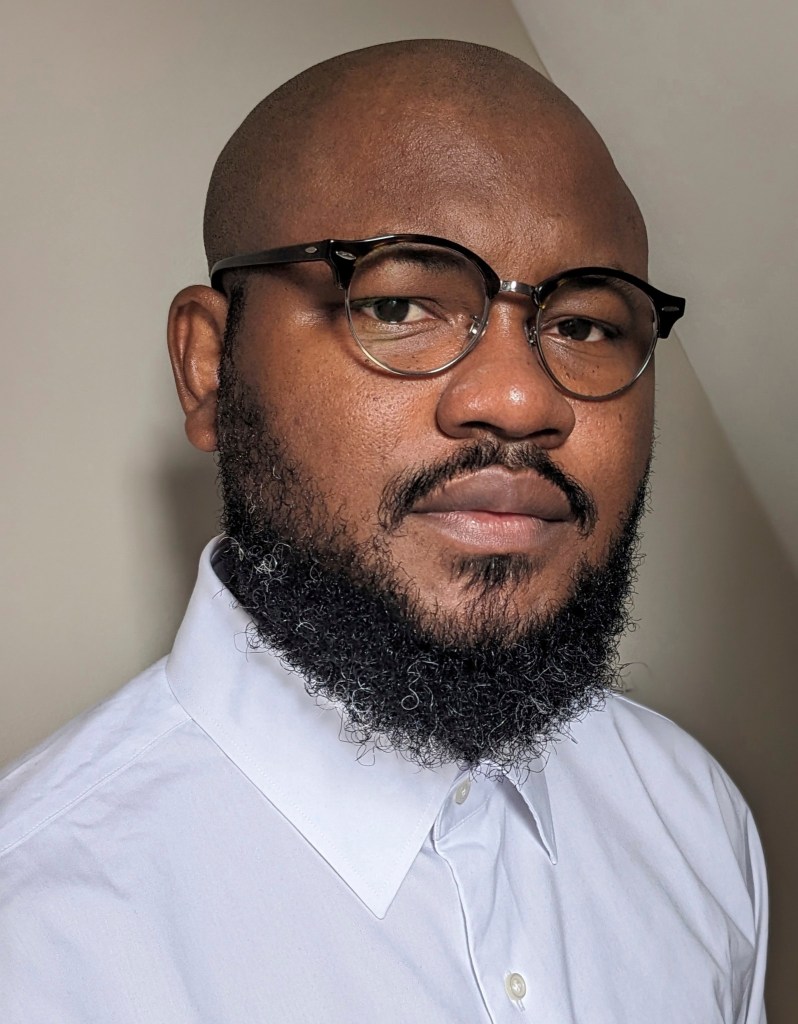
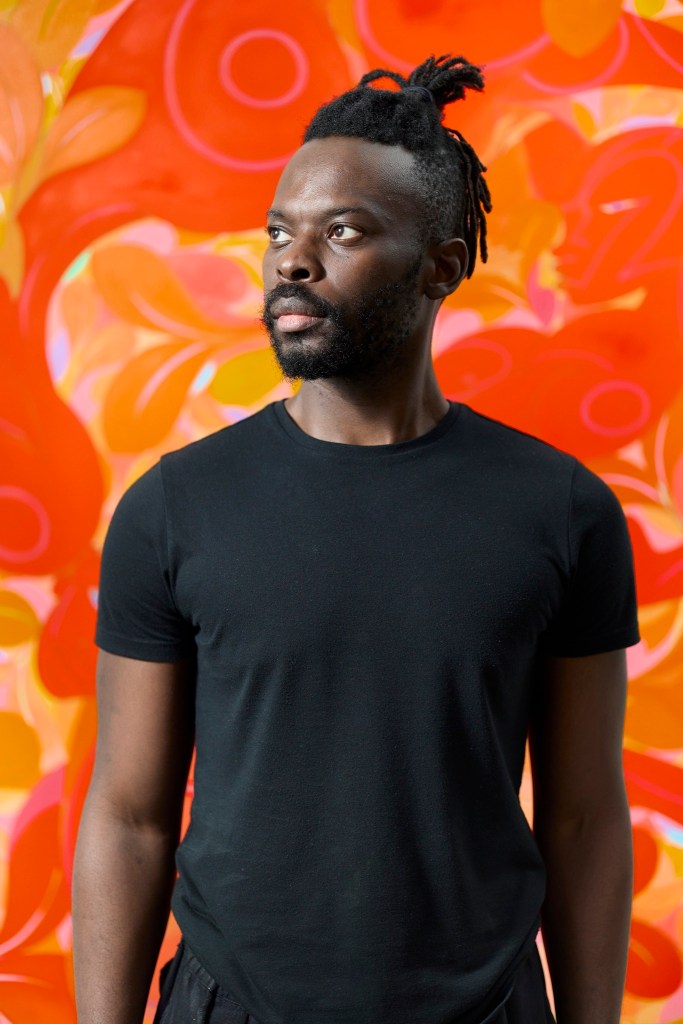
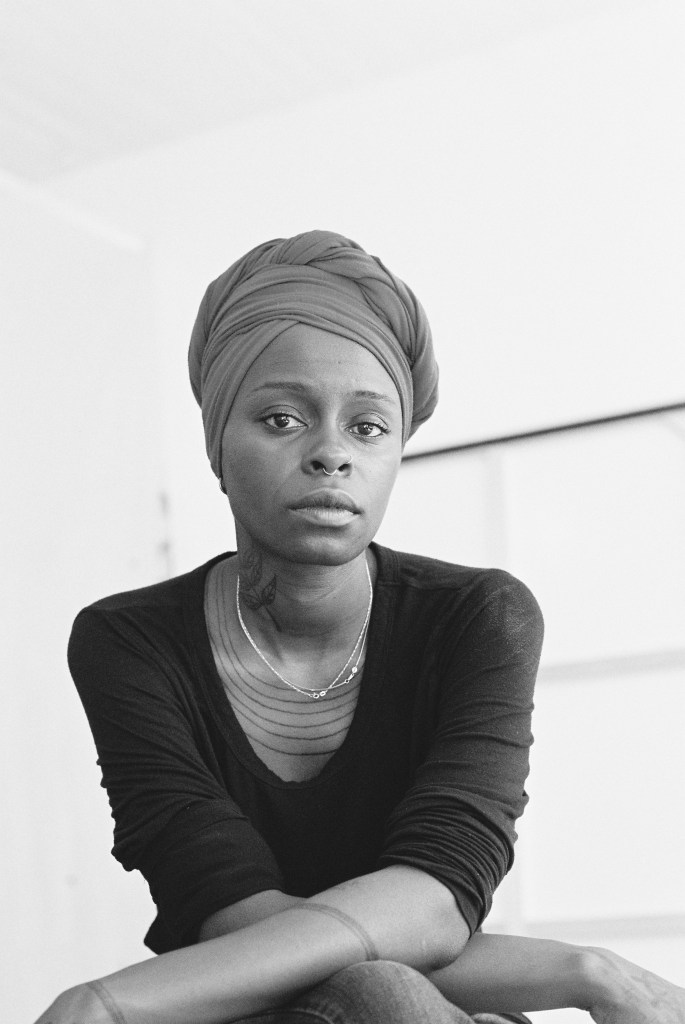
Curated by Aindrea Emelife, Curator of Modern and Contemporary Art at MOWAA (Museum of West African Art), the Nigeria Pavilion showcases commissioned, site-specific works by a cross-generational group of artists—Tunji Adeniyi-Jones, Ndidi Dike, Onyeka Igwe, Toyin Ojih Odutola, Abraham Oghobase, Precious Okoyomon, Yinka Shonibare CBE RA, and Fatimah Tuggar—who were selected to respond to the theme and exhibition title Nigeria Imaginary.

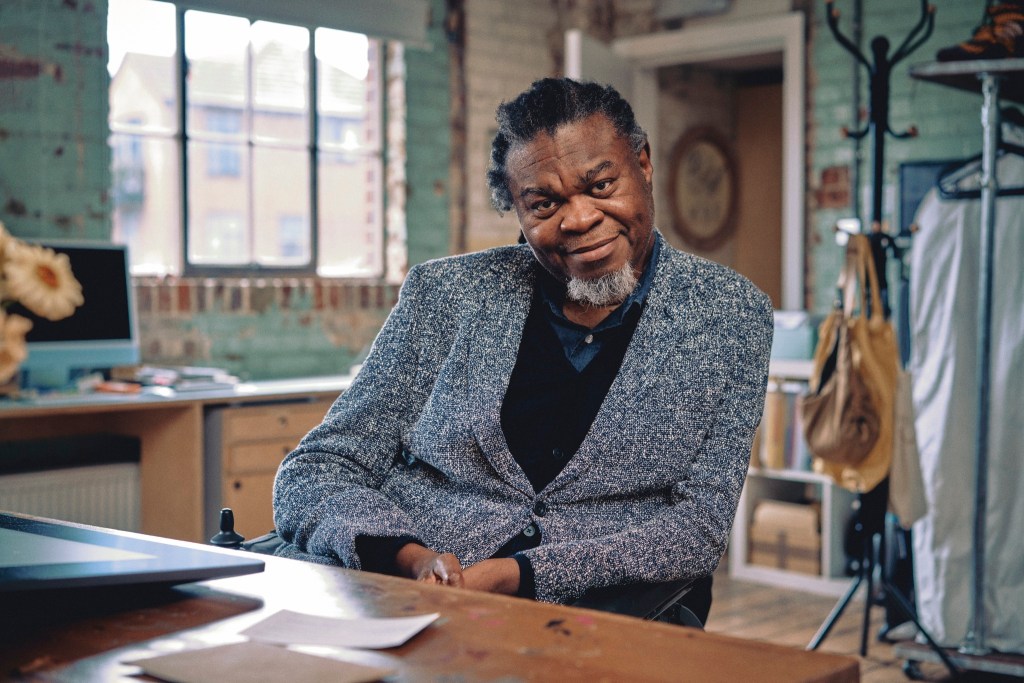

Using mediums that include painting, sculpture, drawing, photography, installation, sound, AR, and film, the artists explore the many Nigerias that live in their minds, whether as moments of history, nostalgic moods, or visions of a Nigeria that is yet to be. Capturing a sense of optimism imbued in inherited and collective cultural history, Nigeria Imaginary is a restless investigation of the legacies of the colonial past in today’s post-independence nation and a defiant imagining of a hopeful, youth-driven future.
Within the peeling walls of the 16th-century Palazzo Canal, an architectural relic of Europe, Nigeria Imaginary acts as a present-day equivalent of a Mbari Club, the center for cultural activity founded in Ibadan in 1961 by Ulli Beier with the involvement of a group of young writers including Wole Soyinka and Chinua Achebe.
This school of artists, often called The Art Society, sought a “laboratory for ideas” in the early years of independence—a site for the paradoxical entanglements of myths, experiences of colonial modernity, moral education, and utopian fantasy. They believed art to be a duty to the nation, a public matter. It is in these sentiments that Nigeria Imaginary shakes hands with the Mbari Club, taking on this duty with a new school of artists and their reimaginings.
Entering the exhibition, visitors will interact with objects of historic or quotidian importance that resonate with the theme of Nigeria Imaginary. These range from fragments of the yellow Danfo bus, the iconic mode of local transportation in Lagos, to a two-faced Ikenga (a carved wooden figure symbolizing achievement and power, looking forward and back simultaneously), to issues of periodicals such as Nigeria Magazine, Drum Magazine, and Black Orpheus from the period of the Mbari Club.


Referencing the tradition of Venetian ceiling painting, a vibrantly colored painting by Tunji Adeniyi-Jones unfurls across the ceiling of the Palazzo Canal, embedded with Nigerian art historical references from images of traditional Yoruba sculpture to the fluid modernism of Ben Enwonwu.
A two-part work by Ndidi Dike, featuring a sculptural installation and large-format photographs from the artist’s personal archive, reflects on the Nigerian ENDSARS uprising and how it intersects with global movements against police corruption and brutality, serving as both memorial and beacon of hope.
A two-work audiovisual series by Onyeka Igwe explores the hangover of colonialism and the entwinement of Nigeria and Great Britain is an extension of her previous exploration of colonial legacies through the “sonic shadows” of film archives.
A series of drawings by Toyin Ojih Odutola weaves an intricate, semi-mystical narrative that explores the Mbari house as a site and a metaphor.
An installation of digital collages by Abraham Onoriode Oghobase complicates the presented narratives of objectivity and authority in the written and photographic records from Nigeria’s colonial period, drawing particular parallels between the mining of the landscape and the exploitation of labor.
A sculptural radio tower designed by Precious Okoyomon registers changes in the atmosphere (humidity, wind, the presence of birds) and transforms them into the sounds of bells and electronic synthesizers, while also broadcasting the words of select Nigerian poets, artists, and writers.
An installation-based work by Fatimah Tuggar harnesses Augmented Reality (AR), Artificial Intelligence (AI), and Animatronics within Architectural façades inspired by Tubali Hausa vernacular construction to explore how colonisation and globalisation have increased the negation of indigenous craft and the escalation of environmental assault. In balance, the work also offers explorations and playful encounters to prompt a shift in our perspectives.
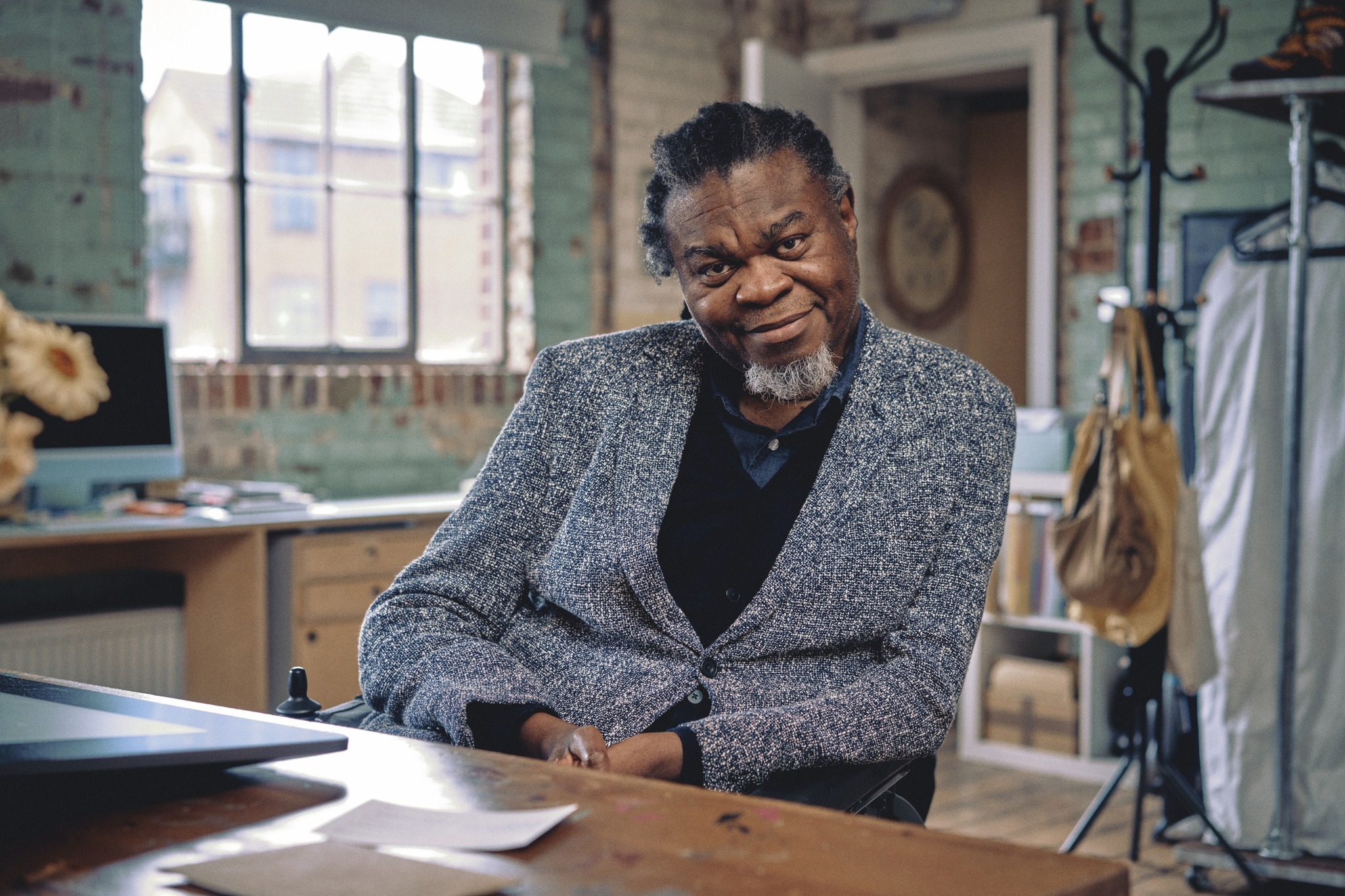
A major sculptural installation by Yinka Shonibare CBE RA imagines a future where the majestic, historic artworks that were looted by British forces from the Kingdom of Benin are displayed not as trophies of a lost, immutable past but as testaments to sophistication and ever-changing artistic innovation.

The Pavilion will also incorporate select content developed through a special research project curated by Emelife and presented by MOWAA at ART X Lagos and EdoIFest in Benin in 2023, The Nigeria Imaginary Incubator Project.
In the midst of an installation of objects and images of everyday life in Nigeria, visitors were invited to enter audio booths and record their responses to questions such as: What does Nigeria taste like? What song reminds you of your grandmother? What childhood memory would you like to relive? How did you get to school? What does Nigeria look like in 2050? The audio responses will feature in the Pavilion as contextualising memories and dreams.
An expanded presentation of the Nigeria Pavilion, also curated by Emelife, will travel to MOWAA as the inaugural exhibition in the new contemporary art space in the MOWAA Creative Campus.
Commissioner: His Excellency Godwin Obaseki, Governor, Edo State, Nigeria
Curator: Aindrea Emelife
Exhibitors: Tunji Adeniyi-Jones, Ndidi Dike, Onyeka Igwe, Toyin Ojih Odutola, Abraham Oghobase, Precious Okoyomon, Yinka Shonibare CBE RA and Fatimah Tuggar Location: Palazzo Canal, 3121 Rio Tera Canal Dorsoduro, Venice nigeriaimaginary.com
You might also like: The 2024 American Black Film Festival Announces Retrospective: Celebrating the Legacy of Denzel Washington