


Pioneers of Funk talk British Music
In 1973 Cymande made history as the first British band to headline the Apollo Theatre in New York, and they also performed on Soul Train. However, they achieved little respect in their home country. Guitarist and vocalist Patrick Patterson and founding member of Cymande told ALT.
Share this article: sign up to our newsletter
“We were so disenchanted when we returned to London to be treated so well in a place that was not our home then to come to London and go back to playing the small clubs. It was the same for many of the black bands in the UK at that time”.
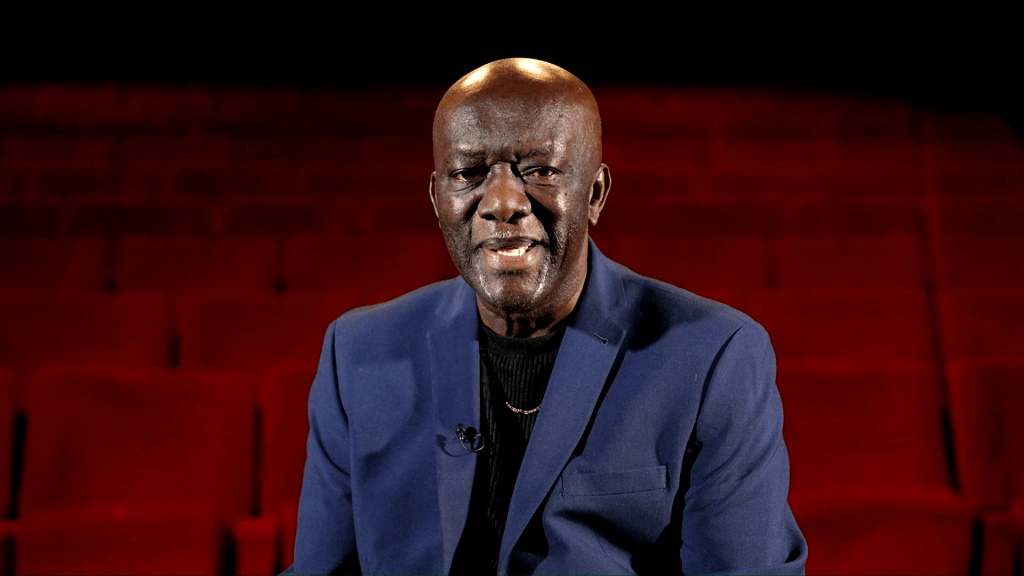
In the early 1970s, the musical landscape of London witnessed the rise of a band that would redefine genres and leave an indelible mark on the global music scene—Cymande although little is widely known about them here in the UK.
Now a new documentary Getting It Back: The Story of Cymande by Tim Mackenzie-Smith will open in the UK on February 16th. Appearing in the documentary are artists, DJs and producers such as Jazzie B, Norman J, Mark Ronson, Kool DJ Red Alert, DJ Maseo of De La Soul, My Morning Jacket’s Jim James and Louie Vega.
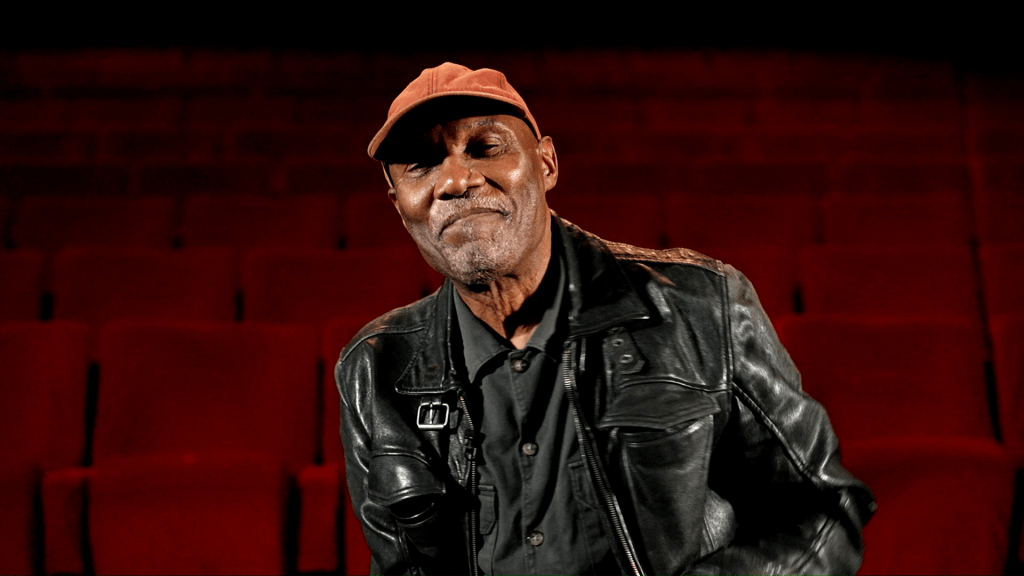
Mackenzie-Smith told ALT about being a big fan of the band since the nineties. He said “I found them on a mix-tape when I was at university.

There was no track list but I absolutely loved them. A few years later a mate who was a record collector he played some Cymande records and I was like wow I have been looking for these for years. And he told me the story that they were from South London. We were in Streatham at the time and they were just down the road”. Mackenzie-Smith continued saying “I asked myself the question why the heck has nobody heard of these guys. Why are they not world famous, for years we had been playing these records”.

That is a question for the British Music industry and that is why Kush Films Director Marlon Palmer was keen to partner with the BFI to bring Getting It Back: The Story of Cymande to more audiences. A black owned film exhibition/marketing company Kush Films was launched in 1998, a pioneering exhibition platform dedicated to placing more black films on the big screen, creating wider public access and opening doors to UK cinemas showcasing the best in mainstream and independent black films.
Kush is also known for the new and exciting streaming platform Kush Cinema Online the UK’s first online hybrid VOD virtual cinema with a focus on collating, showcasing and archiving the rich history of black British filmmaking, creating a one-stop shop for all to experience and enjoy.
The Kush Films Special Promo Screening Film, Q&A + After-Party is on Sunday 18th February 2024 (6.00pm) followed with music by: Lindsay Wesker at the Genesis Cinema BOOK HERE: https://bit.ly/47TQTGX

Getting It Back: The Story of Cymande is described as a “riveting documentary about the British black super group that never made it, but whose music you will definitely have heard”.
Guitarist and founding member of Cymande Patrick Patterson shone some light on the marginalisation of the band at a time when racial tension was high in Britain and the British Music industry saw black music/musicians as a “novelty”. Despite being the only black overseas band to play the Apollo at the time it did not do anything for their position in the UK music scene.
Patterson said. “We were well received in all the places we played in the USA, including The Apollo. We did The Apollo for one week, which was a big gig especially at that time and we were very well received that is why we were so disenchanted when we returned to London to be treated like that in a place that was not our home then to come to London and go back to playing the small clubs . It was the same for many of the black bands of the time.
It was not that easy to find agencies who would handle you properly or would even handle you, At that time there was really no real outlets especially not the big ones. So we played smaller venues most of the black bands played smaller venues. We have to give a lot of credit to Ronnie Scott’s Club, they had an upstairs where lots of us played, The 100 Club and Oval House”.
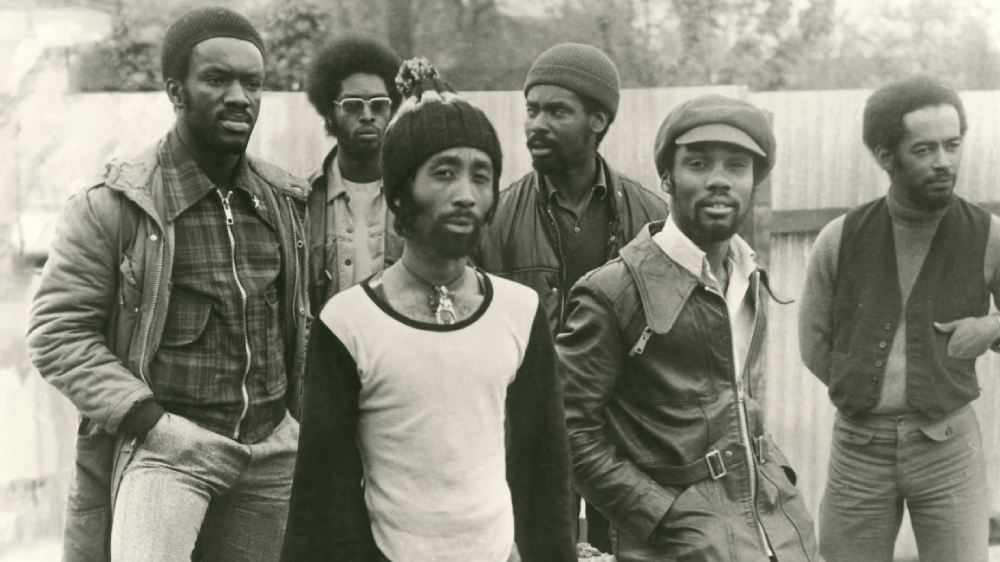
The band including Steve Scipio, Patrick Patterson, Ray King, Sam Kelly, Mike Rose, Pablo Gonsales, Joey Dee, Derek Gibbs, and Peter Serreo, Cymande (pronounced Sah-mahn-day) blended funk, soul, reggae, and jazz, crafting a distinctive sound that defied categorization. Their name, derived from a Calypso word meaning “dove,” reflected the band’s commitment to peace and unity through their music.
Support INDEPENDENT MEDIA FOLLOW US ON INSTRAGRAM SUBSCRIBE TO OUR PRINT NEWSPAPER ALT A REVIEW
Consisting of members from Guyana, Jamaica, Saint Vincent, and various parts of Africa, Cymande’s multicultural makeup added a rich tapestry of influences to their compositions. Their infectious rhythms, intricate percussion, and socially conscious lyrics garnered attention, setting them apart as true pioneers of the funk movement.

Cymande collaborated with an array of influential artists, further solidifying their impact on the music scene. Their work resonated with prominent musicians, including Bob Marley, who appreciated their fusion of Caribbean and African rhythms. Additionally, their influence extended to hip-hop, with artists like De La Soul and The Fugees sampling Cymande’s tracks, cementing their place in the evolving landscape of contemporary music.
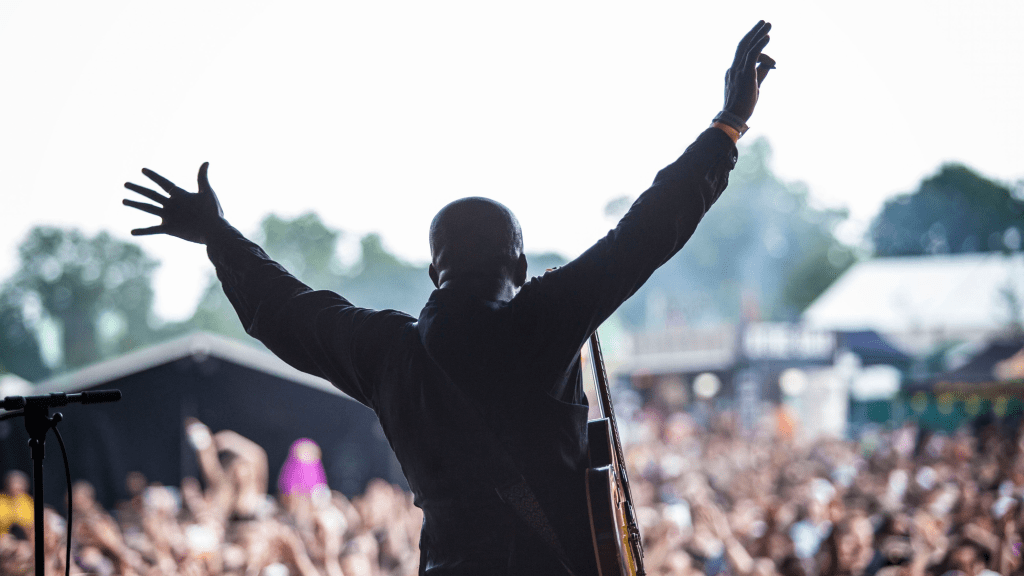
Despite their undeniable talent, the band faced the harsh realities of racism within the UK music industry during their early years. The prevailing attitudes of the time often marginalized black artists, making it challenging for Cymande to secure the recognition they deserved. The struggle against systemic racism extended to limited opportunities for performances and scarce media coverage.
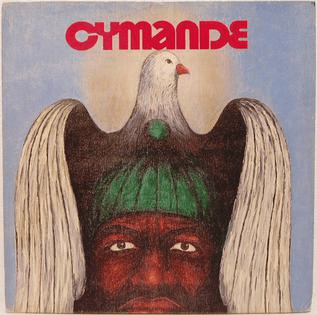
However, Cymande’s fortunes took a turn when their music found a receptive audience in the United States. Their fusion of infectious rhythms and socially conscious lyrics resonated deeply, earning them a devoted fan base. Tracks like “Bra” and “The Message” became anthems in the burgeoning funk and hip-hop scenes.

Cymande’s influence on American music is immeasurable, with numerous artists sampling their tracks, ensuring the band’s enduring legacy. After a period of obscurity, Cymande’s music was rediscovered in the 1980s and 1990s.
Some of their songs were deconstructed and used as breakbeats by early hip-hop DJs Kool Herc and Grandmaster Flash. The British rare groove scene of the 1980s was openly influenced by Cymande. By the late 1980s they were being sampled regularly by rap artists, starting with De La Soul on their 3 Feet High and Rising album, plus EPMD, The KLF, MC Solaar, Heavy D, and many others.

The irony lies in the relative obscurity Cymande faced in their home country, Great Britain, despite their triumphs across the Atlantic. This disparity underscores the systemic issues within the UK music industry, where racial biases persisted, hindering the recognition of black artists. The ‘colour bar’ that limited opportunities for black musicians persisted, casting a shadow over the brilliance of bands like Cymande.
As the band navigated the challenges of racism in the industry, internal tensions and external pressures mounted. Cymande eventually disbanded in the mid-1970s, leaving behind a catalog of influential music that would, over time, receive the recognition it deserved.
The story of Cymande serves as a poignant example of the ‘ism’ within the music industry—racism, which stifled the growth of exceptional talent on its own soil. The band’s journey, marked by struggles against prejudice and an eventual resurgence in appreciation, highlights the complexities of the industry’s dynamics. It prompts reflection on how systemic biases can lead to the oversight of remarkable artists, even when their impact is felt globally.
Getting It Back: The Story of Cymande
Illustrated with archival footage, the story of these unsung heroes is told on screen through new interviews with the original band members filmed over two years. Mackenzie-Smith continued he said.
“The tone of the film and the joy in the film came from the band, their music and their personalities”.
Today, as the music industry grapples with a renewed focus on diversity and inclusivity, revisiting the legacy of Cymande becomes essential. Their story serves as both a testament to the resilience of black artists in the face of adversity and a reminder that true musical genius knows no racial boundaries.
Good news for Cymande fans and lovers of good music as Bass player Steve Scipio revealed to ALT that Cymande are “excited” to be going back into the studio to record a new album.
BOOK TICKETS HERE:
Theatrical Release date: Friday 16thh February 2024
Special Screenings:
Tuesday 13th February 2024
BFI South Bank (+ Q&A & DJ in bar)
Belvedere Rd, London SE1 8XT
https://whatson.bfi.org.uk/Online/default.asp
Kush Films Special Promo Screening
Film, Q&A + After-Party
Sunday 18th February 2024 (6.00pm) Music by: Lindsay Wesker
Genesis Cinema
Mile End Rd, Lon, E1 4UJ
Tkts: £15 (£12.50 concs)
www.genesiscinema.co.uk
BOOK HERE: https://bit.ly/47TQTGX
You might also like:Interview: Tosin Cole and Heather Agyepong on stage in bold new play “Shifters”